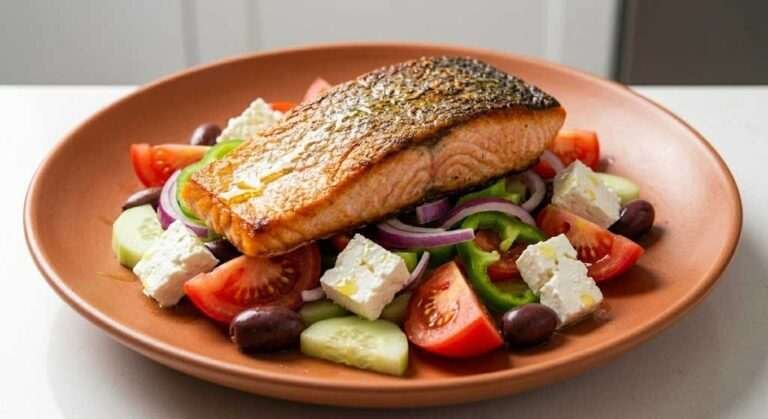

Salty feta, sweet tomatoes, and soft onions folded into a perfectly set egg — this Greek omelet is as close to a complete meal as breakfast gets. It comes together in under 15 minutes, needs nothing fancy, and delivers enough flavor to make you wonder why you ever ordered anything else. Naturally gluten-free and high in protein.
Prep Time: 7 minutes Cook Time: 6 minutes Total Time: 13 minutes Servings: 1 Difficulty: Easy
Key Ingredients
Eggs — Use large, fresh eggs at room temperature if possible. Room temp eggs spread more evenly in the pan and set with a smoother texture. Two eggs make a proper single-serving omelet; three if you’re hungry.
Feta cheese — Opt for block feta packed in brine rather than pre-crumbled. Brine-packed feta is creamier, saltier, and holds moisture better during cooking. Greek or Bulgarian feta are both excellent choices. If feta isn’t available, a mild goat cheese works as a substitute — though the flavor profile shifts.
Roma or vine-ripened tomatoes — You want tomatoes with low water content so the omelet doesn’t get soggy. Roma tomatoes are the diner’s preference. Cherry tomatoes, halved, also work beautifully. Avoid large beefsteak tomatoes — too much juice.
Yellow onion — A short cook in butter softens the bite and brings out natural sweetness. If you have time, a few extra minutes of cooking will take them all the way to golden. Red onion can substitute for a sharper flavor.
Dried oregano — The one herb that bridges eggs and feta naturally. A small pinch added to the filling right before folding is all you need. Fresh oregano works too — use about twice as much.
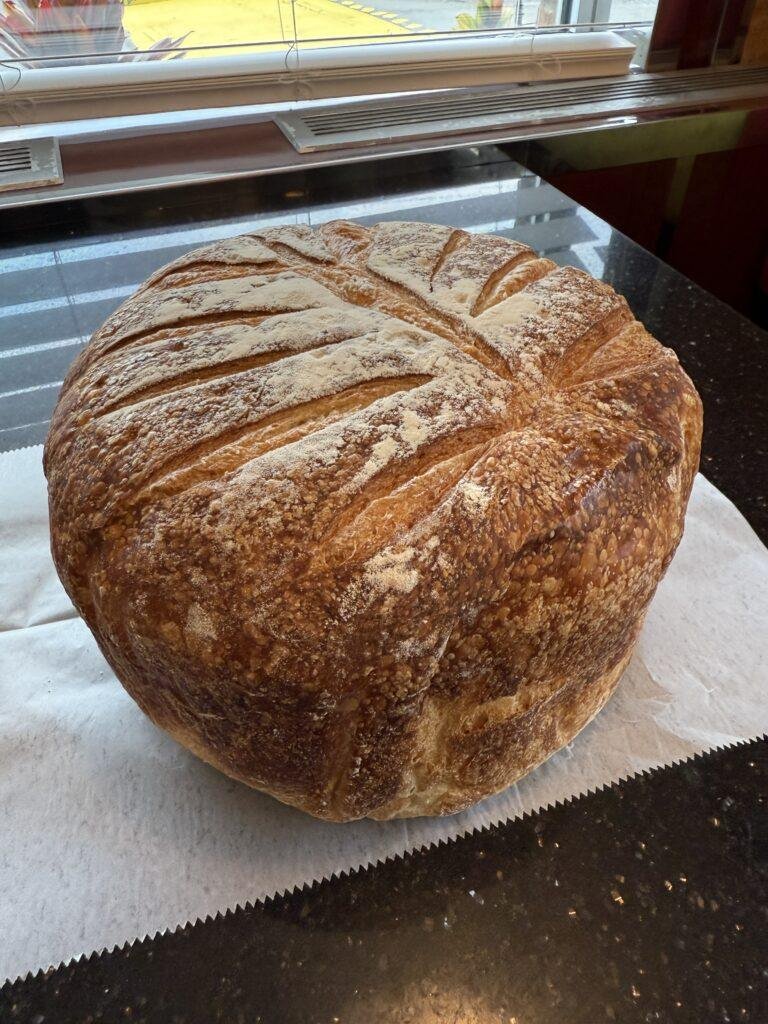
If you’ve been reading about The Heritage Diner’s slow-fermented sourdough program, a thick toasted slice alongside this omelet is an exceptional pairing — the tang of the bread and the salt of the feta speak the same language.
How to Make the Classic Greek Omelet
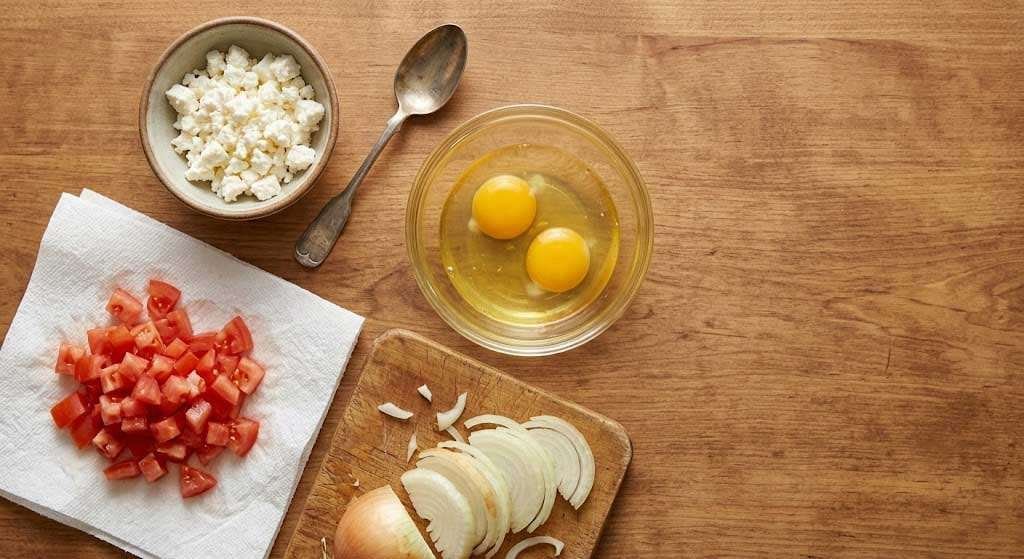
Start by getting your mise en place in order. Dice the tomatoes into small, uniform pieces — about a quarter inch — and set them on a paper towel to absorb any excess moisture. Crumble or break the feta into small chunks rather than fine crumbles; you want pockets of cheese, not a uniform layer. Slice the onion thin.
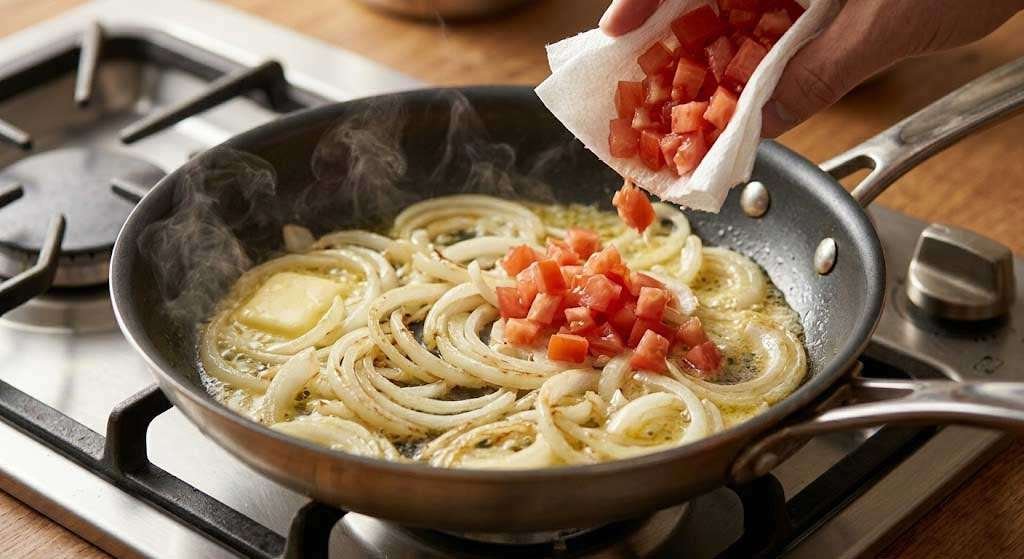
Heat a 10-inch nonstick pan over medium-low heat and add one teaspoon of butter. Once it melts and begins to foam, add the sliced onion with a small pinch of salt. Cook, stirring occasionally, for 3 to 4 minutes until the onion softens and turns translucent. Add the diced tomatoes and cook for another minute, just long enough to warm them through without releasing too much liquid. Remove the filling from the pan and set it aside. Wipe the pan lightly if needed.
Crack the eggs into a bowl, add a pinch of salt and a small pinch of black pepper, and whisk vigorously until the yolks and whites are fully combined — about 20 to 30 seconds. You’re looking for a uniform pale yellow with a few small bubbles on the surface. Return the pan to medium-low heat and add the remaining half teaspoon of butter. When the butter foams, pour in the eggs. Let them sit undisturbed for about 30 seconds until the edges just begin to set. Using a silicone spatula, gently pull the cooked edges toward the center while tilting the pan to let the uncooked egg flow to the sides. Repeat this around the perimeter of the omelet until the eggs are mostly set but the top still looks slightly wet and glossy — this is the moment to fill.

Spoon the onion and tomato mixture onto one half of the omelet. Scatter the crumbled feta over the filling and add a pinch of dried oregano. Use the spatula to fold the empty half over the filled half. Let the omelet sit in the pan for another 15 to 20 seconds to finish setting, then slide it onto a warm plate. The feta will begin to soften from the residual heat — serve immediately.
Pro Tips
Don’t rush the onions. Three to four minutes may feel quick, but the goal isn’t caramelization — it’s simply removing the raw, sharp edge. If you rush them, the onion flavor dominates the feta. If you have extra time and want deeper sweetness, cook them for 8 to 10 minutes over low heat until golden.
The wet top is not a mistake. Many home cooks overcook omelets waiting for the surface to look fully dry. A slightly wet, glossy top when you add the filling means the interior will finish cooking from carryover heat — and the result is creamy, not rubbery.
Salt the filling, not just the eggs. Feta is already salty, so taste as you go. But a small pinch of salt added to the onions at the start of cooking draws out moisture and builds flavor from the bottom up.
Room temperature feta folds better. Cold feta straight from the fridge doesn’t soften as well from residual heat. If you have 10 minutes, pull it out ahead of time.
Use a 10-inch pan for a 2-egg omelet. A pan that’s too large spreads the eggs too thin; too small and they pile up and steam instead of set. Ten inches is the sweet spot for a classic single-serving fold.
Storage & Make-Ahead
Omelets are best eaten immediately — they do not hold well. The eggs tighten and the feta loses its texture within minutes of leaving the pan.
That said, the filling can be made ahead. Sauté the onions and tomatoes, let them cool, and refrigerate in a sealed container for up to 2 days. When ready to cook, reheat the filling briefly in the same pan before proceeding with the eggs.
Frequently Asked Questions
Can I use egg whites only?
Yes. A 3-egg-white omelet works well with this filling. The texture will be slightly less rich, but the feta and vegetables provide enough body to make it satisfying. Add a teaspoon of water to the whites before whisking to help them set more smoothly.
What can I substitute for feta?
Mild goat cheese is the closest substitute — creamy and tangy without being overpowering. Ricotta salata, crumbled, also works. Avoid sharp cheddar or provolone; the flavor profile moves too far from the Mediterranean character of the dish.
How do I keep the omelet from sticking?
A good nonstick pan and butter — not oil alone — are the two keys. Make sure the butter is fully foamed before adding the eggs, and keep the heat at medium-low. High heat sets the bottom too fast before you can work the edges.
Can I add other vegetables?
Absolutely. Sliced Kalamata olives, baby spinach wilted for 30 seconds, or roasted red pepper strips all work within the same flavor profile. Keep additions small in volume — overfilling makes the fold difficult and the omelet sloppy.
Is this dish keto-friendly?
Yes. Eggs, feta, tomatoes, and onion are all low-carb. The total carbohydrate count for this recipe is approximately 6 to 8 grams per serving, with the onion and tomato contributing most of it.
Recipe: Classic Greek Omelet with Feta, Tomatoes, and Caramelized Onions
Prep Time: 7 minutes Cook Time: 6 minutes Total Time: 13 minutes Servings: 1 Difficulty: Easy
Ingredients
- 2 large eggs
- 1½ teaspoons unsalted butter, divided
- ¼ small yellow onion, thinly sliced
- 1 small Roma tomato, seeded and diced small
- 1½ oz block feta cheese, crumbled into small chunks (about 3 tablespoons)
- ⅛ teaspoon dried oregano
- Salt and black pepper, to taste
Instructions
- Dice the tomato and place on a paper towel to drain excess moisture. Crumble the feta and set aside.
- Heat a 10-inch nonstick pan over medium-low. Add 1 teaspoon of butter. When the butter foams, add the sliced onion with a pinch of salt. Cook 3–4 minutes, stirring occasionally, until softened and translucent.
- Add the diced tomato. Cook 1 minute until warmed through. Remove filling from pan and set aside.
- Crack eggs into a bowl. Add a pinch of salt and black pepper. Whisk vigorously for 20–30 seconds until smooth and pale yellow.
- Return pan to medium-low heat. Add remaining ½ teaspoon butter. When it foams, pour in the eggs.
- Let eggs sit undisturbed for 30 seconds until edges begin to set. Using a silicone spatula, pull the set edges toward the center while tilting the pan so uncooked egg fills the edges. Repeat until mostly set with a slightly glossy, wet center.
- Spoon the onion-tomato filling onto one half of the omelet. Top with crumbled feta and a pinch of dried oregano.
- Fold the unfilled half over the filled half. Let sit in pan for 15–20 seconds.
- Slide onto a warm plate and serve immediately.
Notes
- Do not overcook — a glossy top when you add the filling means the finished omelet will be creamy, not rubbery.
- Feta is salty; taste your filling before adding additional salt.
- Filling can be made up to 2 days ahead and refrigerated; reheat briefly before using.