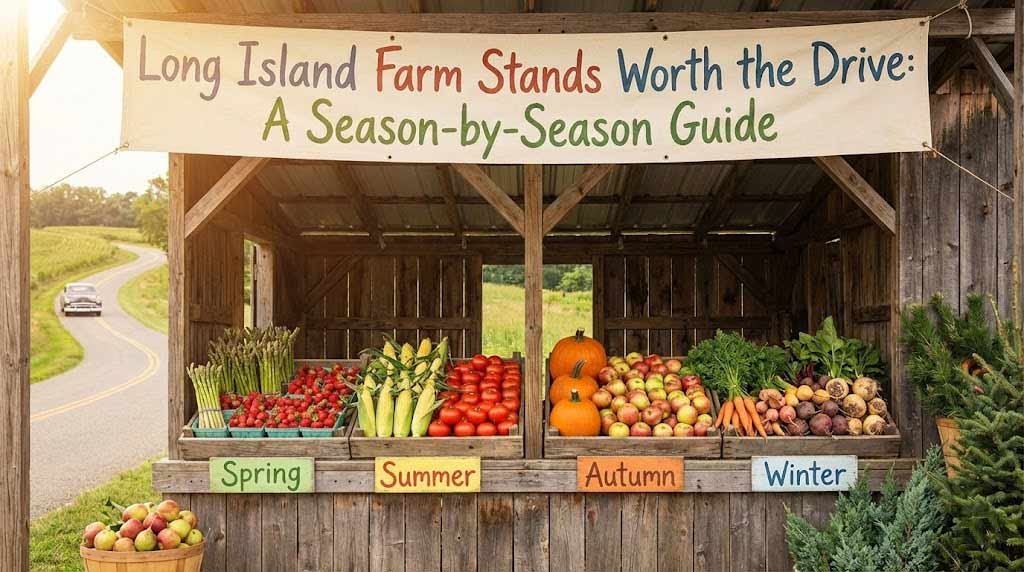
On a hot August afternoon, the traffic on the Long Island Expressway thins somewhere past Exit 68, and the scenery changes from strip malls to rows of corn, pumpkin patches, and weather‑worn farm stands with hand‑painted signs. For generations, these roads have led New Yorkers to some of the most fertile farmland in the Northeast, from the potato fields of the mid‑20th century to today’s diversified, artisanal farm stands that sell everything from heirloom tomatoes to cider donuts. In an era when grocery store strawberries can travel 2,000 miles to reach your cart, the simple act of pulling off Route 25 or Sound Avenue to buy a still‑warm pie or a just‑picked head of lettuce feels almost radical.
Long Island’s farm stand culture is more than nostalgic scenery; it is the living front‑end of a powerful regional food system. In the 1950s, Long Island boasted an estimated 75,000 acres of potatoes, including about 15,000 acres in Nassau County alone, much of which later gave way to suburbia as Levittown and other developments spread eastward (Suffolk County Planning, 2004). Those potato fields and duck farms once defined the East End’s identity. Today, many of those same acres support mixed vegetable farms, vineyards, organic operations, and family‑run stands that anchor a new kind of local food economy and tourism ecosystem. Community‑supported agriculture (CSA) programs, dozens of farm stands, and farmers markets now connect thousands of Long Islanders with seasonal produce from June through November and beyond, keeping the region’s agricultural legacy not just alive but evolving (Golden Earthworm Organic Farm, 2024; Lucky to Live Here Realty, 2024).
This season‑by‑season guide is designed for weekend explorers, locavores, and anyone who has ever wondered whether the drive to Riverhead, Cutchogue, or Brentwood is really worth it. Spoiler: it is—especially if you know when to go, what to look for, and which stands have earned their reputation over decades. Along the way, we’ll blend history, on‑the‑ground tips, current trends, and even a few YouTube detours so your next farm stand road trip feels as curated as a Related Post Title.
Why Long Island Farm Stands Matter Now
Long Island’s farm stands sit at the intersection of history, sustainability, and lifestyle. They are not just roadside attractions; they are the direct descendants of the potato and duck empires that once made the East End famous.
In the 1950s, the East End’s agricultural profile was dominated by potatoes—so much so that archival estimates put potato acreage at 75,000 acres on Long Island before post‑war development began to eat into farmland (Suffolk County Planning, 2004). Simultaneously, eastern Suffolk’s waterways hosted about 90 duck farms that produced roughly six million ducks annually at their peak, feeding a growing New York City population and immigrant communities with a taste for duck (De Silva, 1992; Suffolk County, 2004). The now‑iconic “Big Duck” in Hampton Bays remains a concrete testament to that era, sitting beside the road as a roadside monument to the industry that shaped the region’s economy and identity (Davies, 1993).
As the 20th century wore on, suburbanization, rising land values, and the discovery of the East End as a luxury destination fundamentally reshaped this landscape. Many potato farms became vineyards or were subdivided for housing, while old potato barns were transformed into tasting rooms at wineries like Bedell and Lenz (local historical commentary, 2025). Yet instead of disappearing, agriculture adapted. A new generation of diversified farms began focusing on high‑value crops—berries, greens, squash, specialty vegetables—and direct‑to‑consumer sales via farm stands and CSAs. Today, Long Island hosts at least 15 CSA programs, including notable operations like Restoration Farm in Old Bethpage and Green Thumb Organic Farm in Water Mill, reflecting a growing appetite for local, seasonal food (Lucky to Live Here Realty, 2024; Green Thumb Organic Farm, 2026).
Farm stands are where this evolution becomes tangible. They are the literal roadside interface between farmers and the public, offering everything from organic lettuce to artisanal jams and baked goods. Annmarie’s Farm Stand, for example, has been recognized as Long Island’s best farm stand for 2025 by a regional poll, while Napolitano Family Farm in Brentwood took the 2024 title for its “clean growing” practices and chemical‑free produce (Best of Long Island, 2025). Long Islanders still vote with their feet and their wallets, and the winners are almost always those who manage to blend authenticity, quality, and a sense of place.
If you want a quick primer on why local food and farm stands matter, this short video offers a good overview of the benefits of buying from nearby farms: https://www.youtube.com/watch?v=G2qG9QdH0Jw
Spring: First Greens, Asparagus, and Opening Weekends
Spring on Long Island is less about abundance and more about anticipation. By April and May, many stands are shaking off the winter, repainting signs, and opening for weekend hours. For enthusiasts, this is prime time to visit before the summer crowds arrive.
Certified organic operations like Golden Earthworm Organic Farm in Jamesport illustrate what a spring CSA box—and by extension, many local farm stands—can look like as early as June. Their seasonal guide lists arugula, Japanese salad turnips, Toscano kale, bok choy, radishes, kohlrabi, and multiple varieties of lettuce as early‑season mainstays (Golden Earthworm Organic Farm, 2024). While not every farm stand is certified organic, many follow similar planting and harvesting timelines, meaning that by late May and early June, you can often find robust greens, radishes, and early herbs at stands along Sound Avenue and Route 25.
Spring is also when farm stands with bakeries and prepared foods start to shine. Briermere Farms in Riverhead, for instance, has appeared repeatedly in “Best Farm Stand on Long Island” lists over the last decade thanks largely to its pies, muffins, and breads, all sold from a classic North Fork stand that overlooks active fields (Best of Long Island, 2010–2013). While strawberries and stone fruit are still a few weeks away, this period is ideal for picking up early rhubarb, farm‑fresh eggs, and pantry staples like jams and pickles that can elevate home cooking.
If you’re planning a spring drive from central Suffolk or Nassau, consider:
- Targeting mornings on weekends to beat both traffic and crowds.
- Combining a stop at a farm stand with a nearby nature walk (for example, pairing Jamesport or Riverhead stands with a stroll at a local preserve).
- Bringing a cooler; early‑season greens wilt quickly in a warm car.
For a sense of how CSAs structure their early season shares—and how that mirrors what appears at stands—this CSA‑focused explainer is helpful: https://www.youtube.com/watch?v=_P9Wn9yKx8o
Summer: Peak Berries, Tomatoes, and Beach‑Day Detours
By late June, Long Island’s farm stands hit their stride. The school year ends, beach traffic surges, and the East End’s fields erupt with color. For many New Yorkers, summer is synonymous with a stop at a stand on the way to or from the beach.
A typical mid‑summer harvest list from Golden Earthworm Organic Farm shows why: July deliveries include Swiss chard, carrots, scallions, summer broccoli, cucumbers, zucchini, yellow summer squash, radicchio, beets, and parsley, while August adds watermelon, lettuce, eggplant, cherry tomatoes, full‑size tomatoes, green beans, spinach, and sweet corn (Golden Earthworm Organic Farm, 2024). Taken together, a weekly share can encompass 25–30 USDA servings of vegetables, demonstrating the sheer volume and variety that Long Island’s farms produce at peak season (Golden Earthworm Organic Farm, 2024). Many stands mirror this abundance with full displays of tomatoes in every shape, corn stacked in crates, and shelves of just‑made salsas and relishes.
Certain stands have become summer institutions. Briermere Farms has dominated local “best of” lists for more than a decade, often ranking first in multiple years for its combination of fruit, pies, and traditional farm‑stand atmosphere (Best of Long Island, 2010–2013). Harbes Farm & Vineyard in Mattituck has similarly built a reputation as a hybrid agritourism destination, combining a farm stand with a vineyard, family attractions, and seasonal activities, drawing both serious food shoppers and families (Best of Long Island, 2010–2013). On the western side of Long Island, White Post Farms in Melville offers a more suburban version of the experience, showing how farm‑stand culture has adapted closer to urban centers (Best of Long Island, 2010–2013).
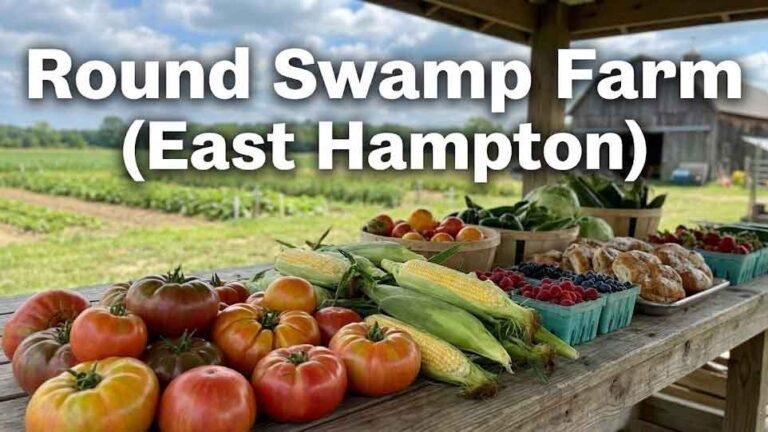
For summer road‑trippers, the farm stand becomes part of a broader lifestyle loop: beach, stand, winery, repeat. This also mirrors national trends. Research on consumer behavior shows that the number of U.S. farmers markets increased more than fourfold between 1994 and the mid‑2010s as interest in local food surged, and Long Island’s stands are very much part of that movement (USDA, various years; reflected in regional summaries). Today, TripAdvisor and Yelp lists for Long Island highlight stands and farmers markets like Wickham’s Fruit Farm, Round Swamp Farm, and Amber Waves as must‑visit stops, indicating that visitors consider farm stands as essential to the East End experience as beaches or wineries (Tripadvisor, 2018; Yelp, 2026).
If you want a visual taste of peak‑season North Fork stand‑hopping, this travel vlog offers a good overview of what a weekend circuit looks like: https://www.youtube.com/watch?v=t2n3NzK3yLw
Fall: Pumpkins, Pies, and Crowd‑Pleaser Weekends
Autumn may be Long Island’s most iconic farm stand season. When the air turns crisp and the first cold fronts sweep across the Peconic Bay, the region transforms into a harvest festival in motion. Corn mazes rise, pumpkin patches open, and cider donuts become a legitimate breakfast option.
On the crop side, fall CSA and farm stand offerings reveal how the island shifts from summer fruit to storage‑friendly staples. September harvests at Golden Earthworm Organic Farm include green cabbage, cauliflower, broccoli, lettuce, colored peppers, cherry tomatoes, acorn squash, and Toscano kale, while October adds potatoes, collards, Romanesco cauliflower, beets, and multiple winter squash varieties (Golden Earthworm Organic Farm, 2024). By November, boxes feature sweet potatoes, cabbage, carrots, butternut squash, rutabaga, and leeks, mirroring what many farm stands pile high for Thanksgiving shoppers (Golden Earthworm Organic Farm, 2024).
Certain names become especially prominent in fall guides and local real estate blogs. Breeze Hill Farm in Peconic is noted for its “deluxe” farm stand offerings, including fresh‑made cider donuts, coffee, and a wide range of seasonal fruits and vegetables—making it a recommended stop for apple‑season drives (Lucky to Live Here Realty, 2024). Krupski Farms is widely associated with pumpkins and corn, drawing families for fall decorations and Halloween traditions, while Sang Lee Farms offers an organic market and CSA presence in both on‑farm and farmers market settings (Lucky to Live Here Realty, 2024). Together, these operations show how the East End has turned fall into a destination season, with stands functioning as gateways to pick‑your‑own orchards, hayrides, and seasonal festivals.
From a cultural perspective, Long Island’s fall farm‑stand rush parallels the national “leaf‑peeping” and pumpkin‑patch trend—an Instagram‑era update to older harvest rituals. Families line up for photo ops in sunflower fields or pumpkin rows, echoing a broader shift where farm visits are as much about experience as they are about food. Local coverage in 2024 and 2025 notes that these seasonal crowds can rival summer traffic, especially on peak weekends, underscoring how agritourism has become a key piece of the East End’s economy (regional lifestyle reporting, 2024–2025).
If you want inspiration for planning a full fall day around farm stands, pumpkin picking, and corn mazes, this family‑oriented vlog offers a useful starting point: https://www.youtube.com/watch?v=F46cM3JDg6E
Winter and Shoulder Seasons: Root Cellars, CSAs, and Off‑Season Gems
Winter may seem like the off‑season for farm stands, but for dedicated local‑food fans, it is when the infrastructure built over spring, summer, and fall truly matters. While most roadside stands close or operate limited hours by December, CSA pickups, winter markets, and specialty shops keep local produce and preserved goods in circulation.
The tail end of the CSA calendar offers a glimpse into what winter‑friendly agriculture looks like on Long Island. November boxes at farms like Golden Earthworm feature collards, sweet potatoes, storage potatoes, cabbage, carrots, butternut squash, rutabaga, and leeks—crops chosen for their ability to hold in cold storage and root cellars (Golden Earthworm Organic Farm, 2024). Green Thumb Organic Farm offers a 28‑week CSA that spans summer and fall with carefully curated certified organic produce, illustrating how some operations design their seasons to straddle the colder months and keep customers supplied with local food late into the year (Green Thumb Organic Farm, 2026).
For farm‑stand fans, winter becomes the time to seek out:
- Indoor markets where farms maintain stalls with storage crops, eggs, and dairy.
- On‑farm markets that run limited winter hours, often focusing on root vegetables, preserved goods, and frozen local meats.
- Subscription boxes from CSAs or aggregators that source from multiple Long Island farms.
Local real‑estate‑driven lifestyle coverage in 2024 highlighted at least 15 CSAs across the region and encouraged residents to think of farm stands not just as seasonal attractions but as entry points into year‑round relationships with nearby farms (Lucky to Live Here Realty, 2024). That perspective reflects a national trend in which CSAs and winter markets have become vital for maintaining farm income during the off‑season while giving consumers a more consistent connection to local food systems.
For a broader understanding of how CSAs evolved as a response to both farm financial insecurity and consumer demand for traceable food, this explainer video is accessible and informative: https://www.youtube.com/watch?v=12qkQ8lKqFw
Stand‑Out Farm Stands and How to Choose Your Route
With so many options from western Suffolk to the far East End, planning a farm‑stand route can feel overwhelming. A few highly regarded stands and farms, however, consistently appear in polls, guides, and traveler reviews.
When planning your own itinerary, it helps to think in loops:
- North Fork loop: Start in Riverhead (Briermere), head east on Sound Avenue and Route 25 through Mattituck, Cutchogue, and Peconic (Harbes, Wickham’s, Breeze Hill, Krupski, Sang Lee), then return via alternate back roads to avoid traffic.
- South Fork loop: Combine a stand‑heavy drive with winery or beach stops, using historical landmarks like the Big Duck in Hampton Bays as waypoints (Suffolk County Planning, 2004).
- Central & Western loop: Pair suburban‑accessible spots like White Post Farms or Napolitano Family Farm with local farmers markets and park visits, making farm‑stand culture more accessible for day trips from Nassau or Queens (Best of Long Island, 2025; Lucky to Live Here Realty, 2024).
Modern technology can make this easier. Yelp and TripAdvisor maintain updated lists of highly rated farm stands and farmers markets, and many farms update their hours and crop availability on their own websites or social media feeds, helping you avoid disappointment if you drive out for strawberries in a week they’ve sold out (Yelp, 2026; Tripadvisor, 2018). It’s also worth signing up for newsletters from your favorite stands or CSAs, which often share crop updates, recipes, and seasonal events—an easy way to stay connected between visits and to discover new spots that might deserve a mention in your own Related Post Title.
For a sense of how travelers prioritize and review East End farm experiences, this farm‑stand and winery‑focused travel video offers both visuals and itineraries: https://www.youtube.com/watch?v=Oc4fL7E2W9A
Long Island’s Farm‑Stand Future: Climate, Culture, and Community
Long Island’s farm stands exist in a landscape that continues to change. Rising land prices, climate pressures, and shifting consumer expectations are reshaping what roadside agriculture looks like—and will determine whether today’s stands are still thriving a generation from now.
From a climate perspective, Long Island farmers are already dealing with the realities of more variable weather, heavier downpours, and changes in frost dates, trends documented across the Northeast in recent climate assessments and reflected in local agricultural planning documents (regional planning syntheses referencing NOAA and state climate reports). For farm stands, that can mean later or earlier harvests, crop failures in extreme seasons, and a greater need to diversify offerings. The detailed seasonal planning at farms like Golden Earthworm—where each month’s expected harvest is mapped in advance—is one way producers try to manage risk and maintain consistent offerings that keep customers coming back (Golden Earthworm Organic Farm, 2024).
Culturally, the story is more hopeful. The surge in interest around local food, regenerative agriculture, and short supply chains has given farm stands renewed relevance. Local coverage in 2024 emphasized that Long Island now has at least 15 CSAs and a broad constellation of stands and markets, suggesting that demand for local produce and farm experiences remains strong (Lucky to Live Here Realty, 2024). Farmers are responding by adding amenities—coffee stands, baked goods, kids’ areas, event spaces—turning roadside stops into full experiences that can compete with other leisure activities.
There is also a growing awareness of the deeper history behind these landscapes. Commentary in 2025 highlighted how indigenous communities cultivated potatoes and other crops on Long Island long before European settlers arrived, and how town names like Montauk and Cutchogue reflect Algonquian linguistic roots (local historical discussion, 2025). As more stands integrate historical signage, land acknowledgments, or educational programming, there is potential for a richer, more inclusive narrative about who shaped—and continues to shape—the East End’s agricultural identity.
For anyone invested in the future of these stands, the takeaway is clear: your choices matter. Joining a CSA, choosing a local stand over a big‑box grocer when possible, and supporting farms that prioritize sustainable practices all help ensure that the next generation will still have reasons to pull off the road for a still‑warm pie or just‑picked tomato. If you’re curious about how local food movements intersect with policy and climate, this panel discussion offers a thoughtful, big‑picture lens: https://www.youtube.com/watch?v=9jV3wQbV_O0
As you map out your next season on Long Island—from the first spring greens to the last Thanksgiving squash—remember that every farm stand is a small window into the island’s broader story. The signs might promise corn, pumpkins, or “best pies on the North Fork,” but behind them are decades of adaptation, community effort, and a living landscape that has survived waves of change. Plot a route, bring a cooler, and give yourself time to explore; with a little planning, you’ll discover that even the furthest stands are very much worth the drive.