A $12 Airline Patty Melt Lost Its Onions. Here Is How to Make a Diner Version That Keeps Them
United’s new Chicago Patty Melt drew a rough first review this week. Here is the diner-griddle method that fixes every complaint, with the gear to do it.
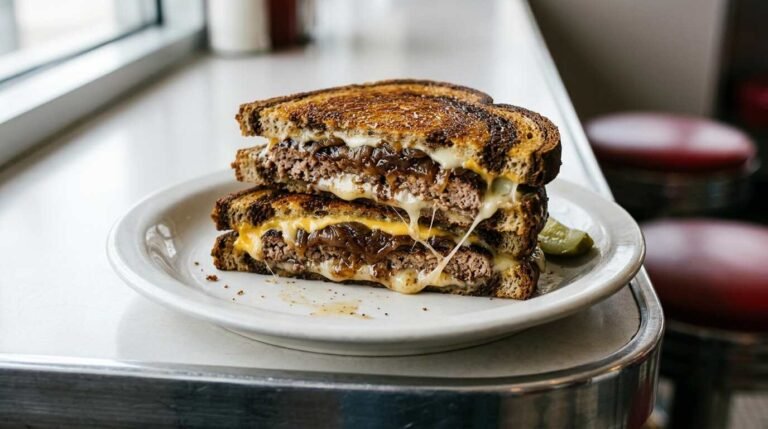
United’s new Chicago Patty Melt drew a rough first review this week. Here is the diner-griddle method that fixes every complaint, with the gear to do it.
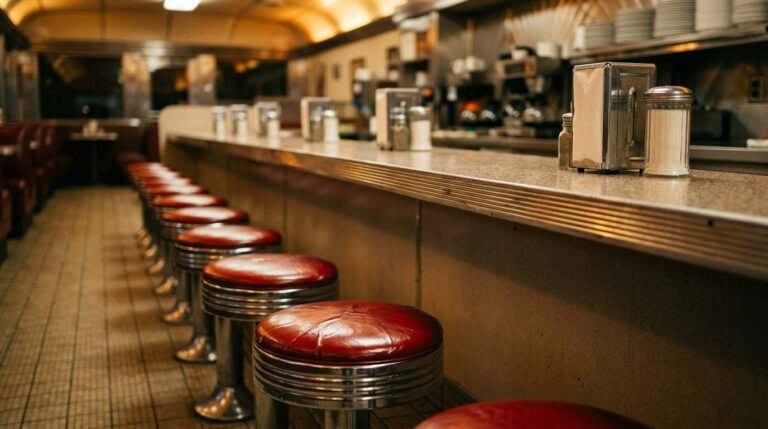
Stools bolted to the floor, a ledge at elbow height, a cook working in view. The lunch counter shaped how Americans eat out, and it carries a heavier history than the menu suggests.
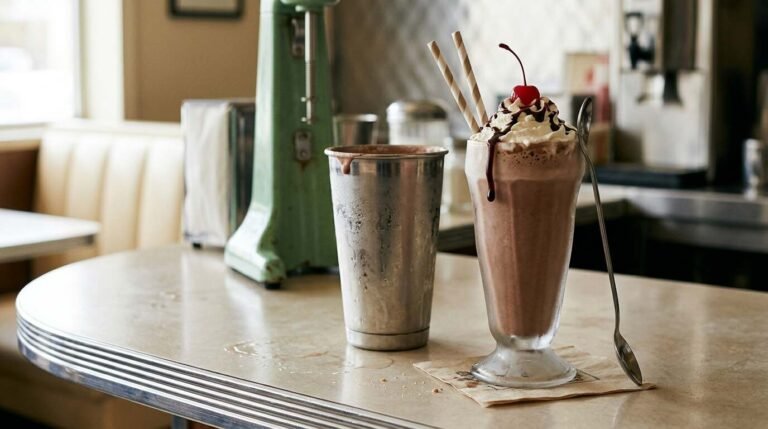
A diner milkshake runs on a four-minute clock. Here is the cold chain, the ice-cream-to-milk ratio, spindle-versus-blender timing and a chocolate malted recipe.
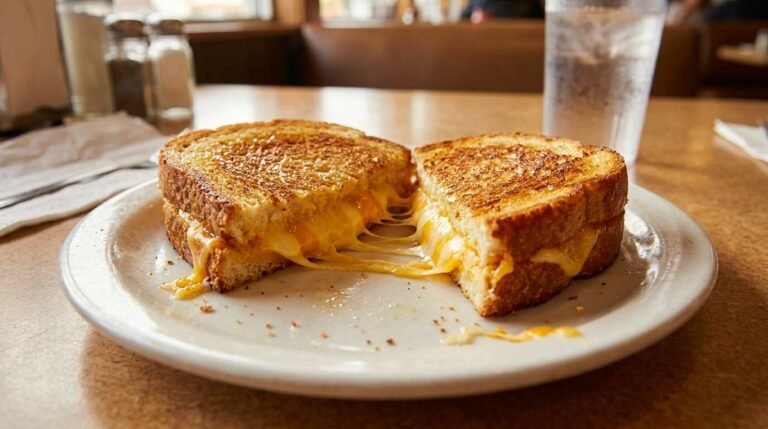
A great grilled cheese comes down to three things: the right fat on the bread, a pan that stays on the low side of medium, and the patience to let the cheese finish melting.
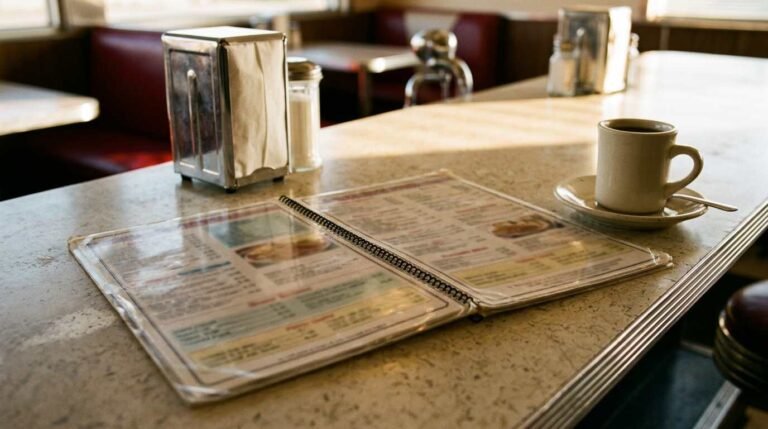
Open a diner menu and the pages keep coming: breakfast, burgers, Greek salad, seafood, pasta, pies. Here is why a kitchen would take on so much, and how it all stays workable.

A Dutch baby is a pancake that bakes itself: hot skillet, thin batter, one blast of oven heat. Here are the ratios, the timing and the reasons it falls.