Serves: 2
Prep Time: 15 minutes
Cook Time: 8–10 minutes
Total Time: ~25 minutes
Ingredients
For the Salad:
- 2 medium vine-ripened tomatoes, cut into wedges
- 1 English cucumber, sliced into half-moons
- ½ medium red onion, thinly sliced
- 1 green bell pepper, cut into thin rings
- ½ cup Kalamata olives, whole or pitted
- 6 oz block of Greek feta cheese (not pre-crumbled), broken into large pieces
- 1 tsp dried Greek oregano
- Salt and black pepper to taste
For the Dressing:
- 4 tbsp extra-virgin olive oil (high quality — this is the backbone)
- 1½ tbsp red wine vinegar
- ½ tsp dried oregano
- Pinch of sea salt
For the Salmon:
- 2 salmon fillets (6–7 oz each), skin-on, wild-caught preferred
- 1 tbsp olive oil
- ½ tsp sea salt
- ½ tsp cracked black pepper
- ½ tsp garlic powder
- Zest of ½ lemon
- Squeeze of fresh lemon juice (for finishing)
Instructions
Step 1 — Prepare the Salad Base
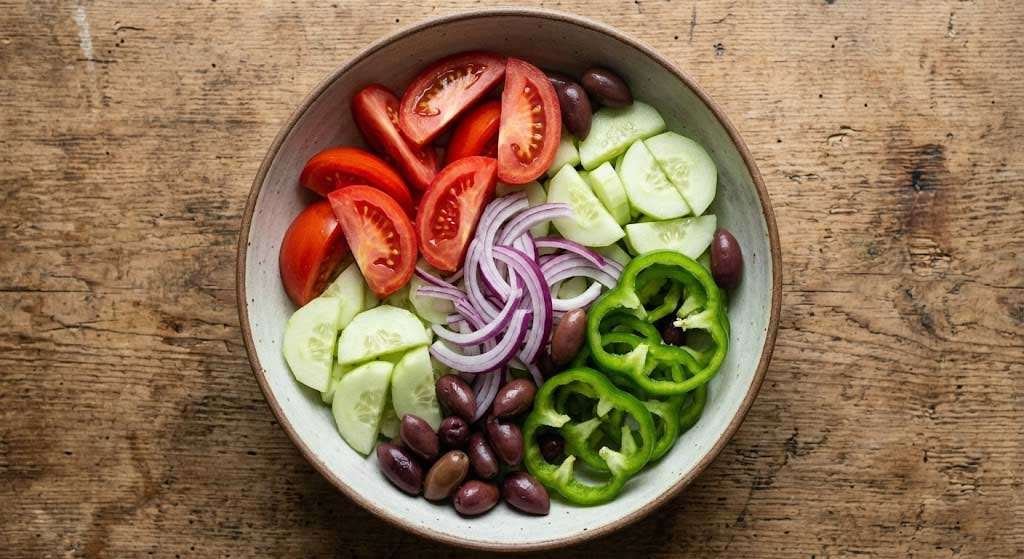
In a large, wide bowl, combine the tomato wedges, cucumber, red onion, and green pepper rings. Toss gently — you want everything roughly mixed but not broken down. Scatter the Kalamata olives across the top. Season with salt and black pepper.
Step 2 — Make the Dressing and Add Feta
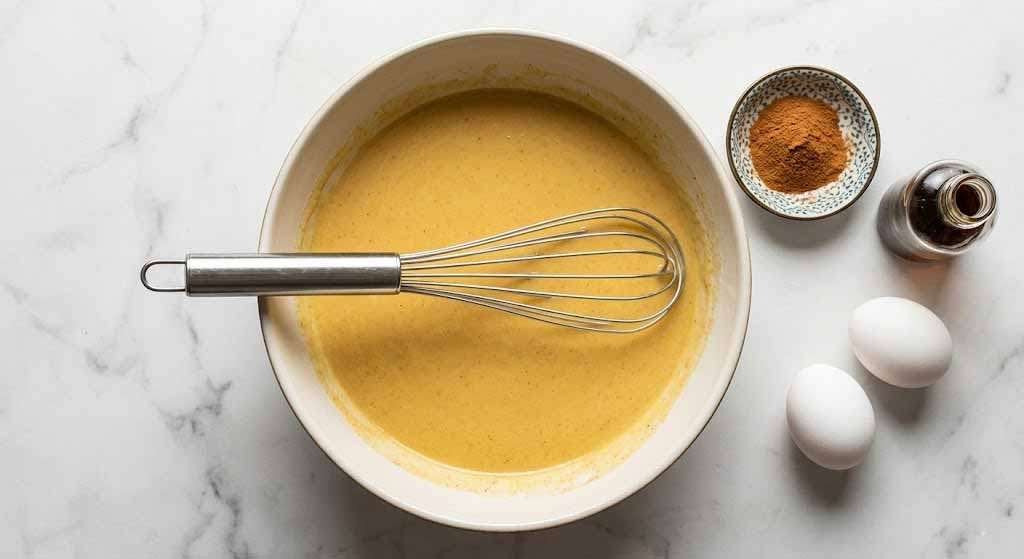
In a small bowl or jar, whisk together the olive oil, red wine vinegar, oregano, and a pinch of sea salt. Pour over the salad. Break the feta block into rustic, uneven chunks — not crumbles — and lay them across the top of the vegetables. Finish with a heavy pinch of dried Greek oregano over everything. Do not toss. In traditional horiatiki, the feta sits on top. That matters.
Step 3 — Season and Sear the Salmon
Pat the salmon fillets completely dry with paper towels. This step is non-negotiable — moisture is the enemy of a proper sear. Season the flesh side with salt, black pepper, garlic powder, and lemon zest. Heat a cast-iron or stainless skillet over medium-high heat until very hot. Add the olive oil and let it shimmer. Place the salmon skin-side down. Press gently with a spatula for the first 30 seconds to prevent curling. Cook undisturbed for 4–5 minutes until the skin is deeply golden and the fish is opaque roughly two-thirds of the way up the fillet.
Step 4 — Flip and Finish
Flip the fillets carefully. Cook for an additional 2–3 minutes on the flesh side. The internal temperature should reach 125–130°F for medium, 145°F for fully cooked through. Remove from heat and squeeze a small amount of fresh lemon juice directly over the fish. Let rest for 2 minutes before plating.
Step 5 — Plate and Serve
Place one salmon fillet — skin-side up or removed, your preference — directly on top of or alongside the Greek salad. Drizzle any remaining pan juices over the fish. A final pass of olive oil over the entire plate is not optional.
Notes
- If you prefer a gentler cook on the salmon, finish it in a 375°F oven for 4–5 minutes after the initial sear instead of flipping.
- The salad can be assembled up to 30 minutes ahead and held at room temperature — do not refrigerate before serving.
- For a more substantial plate, serve alongside Greek Pocketless Pita Bread.
- Sheep’s milk feta has a creamier, more complex profile than cow’s milk varieties — worth seeking out at a specialty market.
The Aegean Salmon Greek Salad
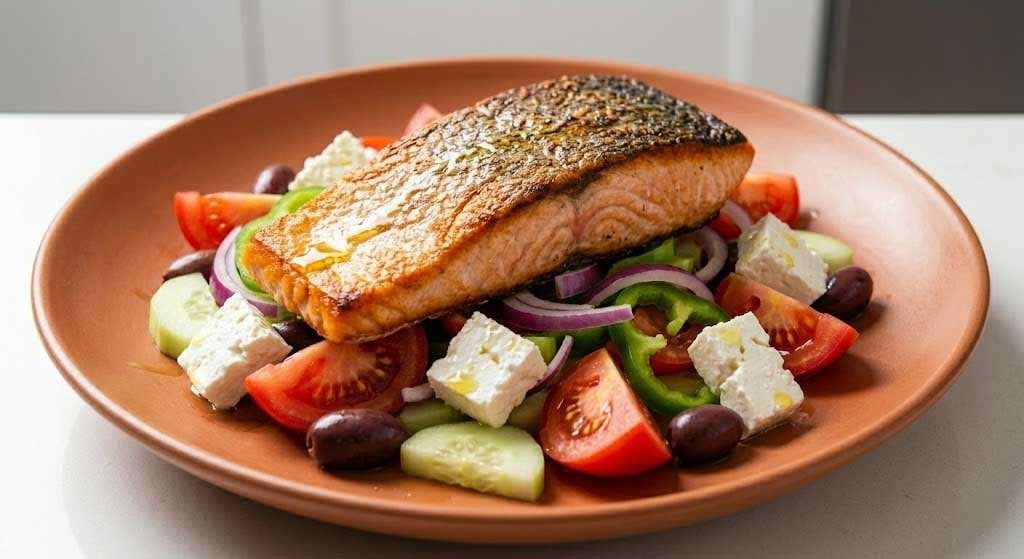
Salt-cured olives. Cold-pressed olive oil poured with the confidence of someone who grew up knowing the difference. A slab of salmon — wild, pink, and firm — resting on a foundation of tomatoes, cucumber, and crumbled feta that has no business being called anything other than what it is: cheese that remembers the goat.
This isn’t a salad you make when you’re being careful. This is a salad you make when you know what you’re doing.
The Greek salad — horiatiki in its truest form — belongs to a culinary tradition that predates any current conversation about clean eating, Mediterranean diet trends, or farm-to-table marketing. It was assembled in village kitchens by people who didn’t need a food scientist to tell them that raw vegetables, good oil, and salty cheese were a complete and extraordinary meal. What it never traditionally included was fish — that addition is ours, a deliberate choice to transform a classic side into something that earns its place as a full dinner plate.
The salmon changes the equation entirely. It introduces omega-3 depth, a subtle richness that the raw vegetables and sharp feta actually welcome. If you’ve read our post on Organic Aquaculture vs. Wild Caught: The Environmental Impact of Sustainable Seafood, you already understand why sourcing matters here — and it does. Wild-caught Atlantic or Pacific salmon will behave differently on the palate than farmed. The fat distribution is leaner, the color more honest, and the flavor more direct.
The technique is forgiving but not careless. The salmon needs a hot, dry pan and the patience to leave it alone for four minutes before you even think about touching it. The salad needs no heat at all — just a cold bowl, a sharp knife, and restraint. No shredded lettuce. No croutons. No unnecessary interference.
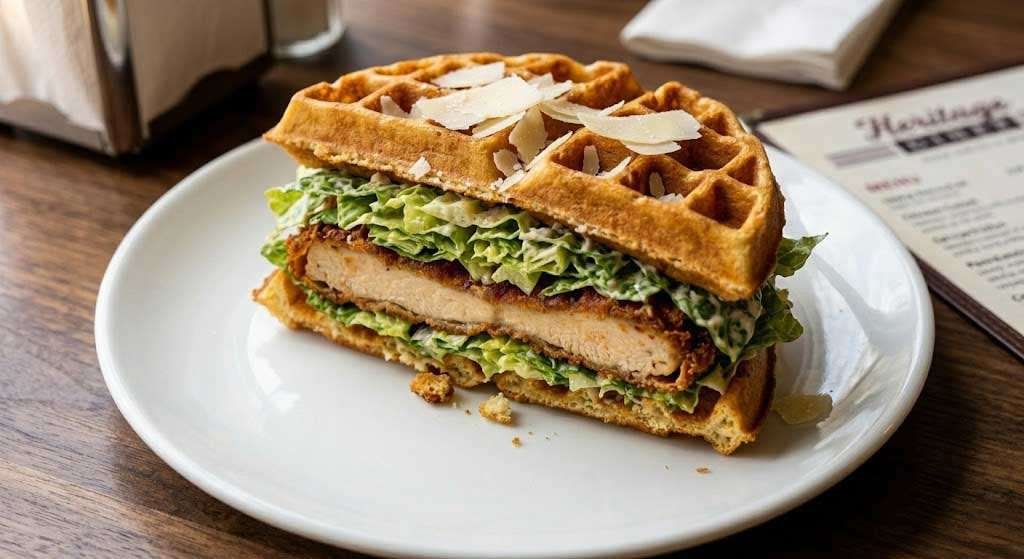
At the Heritage Diner, we’ve built twenty-five years of menu decisions around one principle: the best version of a dish is almost always the most honest version. The Greek Pocketless Pita Bread we serve alongside dishes like this started from the same place — an original recipe that asks nothing more from its ingredients than what they already are.
Make this once and it will become the meal you default to when you need something that feels effortless and substantial at the same time.