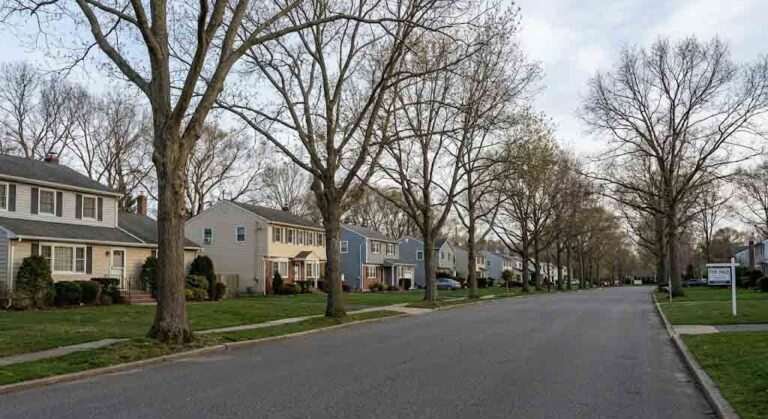
There’s a stretch of commercial corridor along Jericho Turnpike in Smithtown where the fast-casual restaurant industry has spent several decades trying to get traction and mostly failing. Chains have come in, done the feasibility study, signed the lease, and then — quietly, without ceremony — gone. The diner around the corner hasn’t moved. It isn’t going anywhere. And if you’ve spent any time in this corridor, you already know this. The question nobody’s asked out loud is why.
The answer involves real estate economics, municipal code, and the sunk cost of a grease trap. It’s less romantic than nostalgia, and more interesting.
What a Diner Actually Costs to Build
A national fast-casual chain entering a new market doesn’t just rent a space. It builds a space to its own specifications — standardized kitchen layout, ventilation system, signage setbacks, drive-through configuration if applicable, parking ratios that meet its operational model. In a dense suburban commercial corridor like the Jericho Turnpike–Smithtown stretch, where lots were platted and buildings constructed over decades of incremental development, the physical reality of those properties rarely matches what the chain’s real estate team draws on a site plan.
The grease trap is a useful example. A functioning commercial kitchen on Long Island has a grease interceptor installed — sometimes decades ago, sometimes recently, but there. The capacity, location, and condition of that interceptor were sized for whatever operation originally occupied the space. A new tenant entering a former diner gets a grease trap that was engineered for a diner-volume kitchen. A chain coming into a blank commercial bay has to install one from scratch, pull permits, coordinate with the town’s sewer authority, and wait. That alone can represent tens of thousands of dollars in pre-opening cost that the existing diner has already absorbed over the life of its lease.
Hood systems, grease containment, three-compartment sinks, exhaust capacity — all of it is amortized into the long-term occupancy of an established kitchen. When a diner that has been in operation since 1967 quotes you a breakfast plate, part of what you are not paying for is the infrastructure cost that chains building from scratch have to bake into their financial model.
The Parking Problem
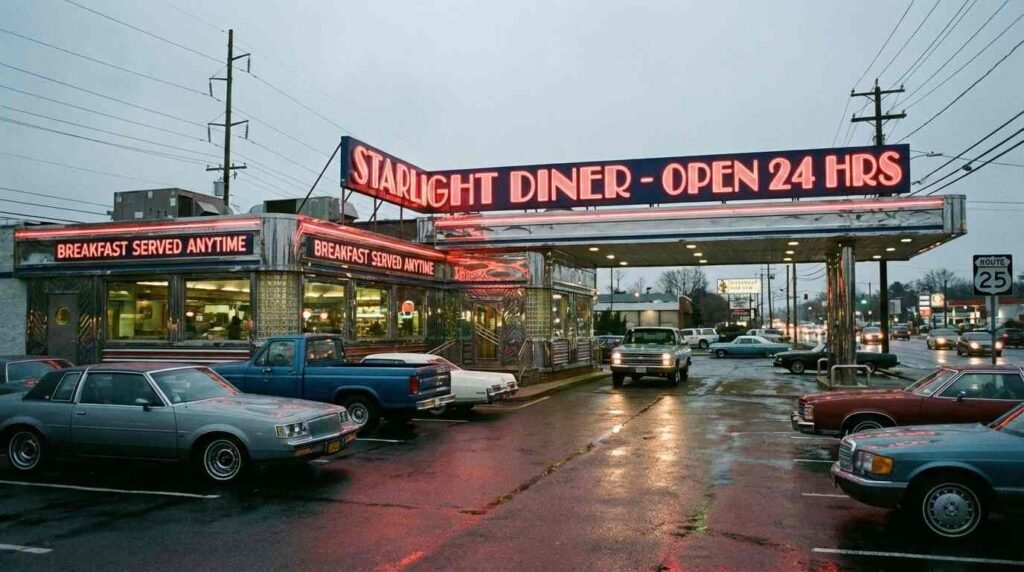
Suffolk County’s commercial zoning code requires parking at ratios set by use classification. A diner is a sit-down restaurant. A fast-casual chain is generally also classified as a sit-down restaurant, but the operational model — higher throughput, faster table turns, often a drive-through — requires a different physical footprint than the code was designed around.
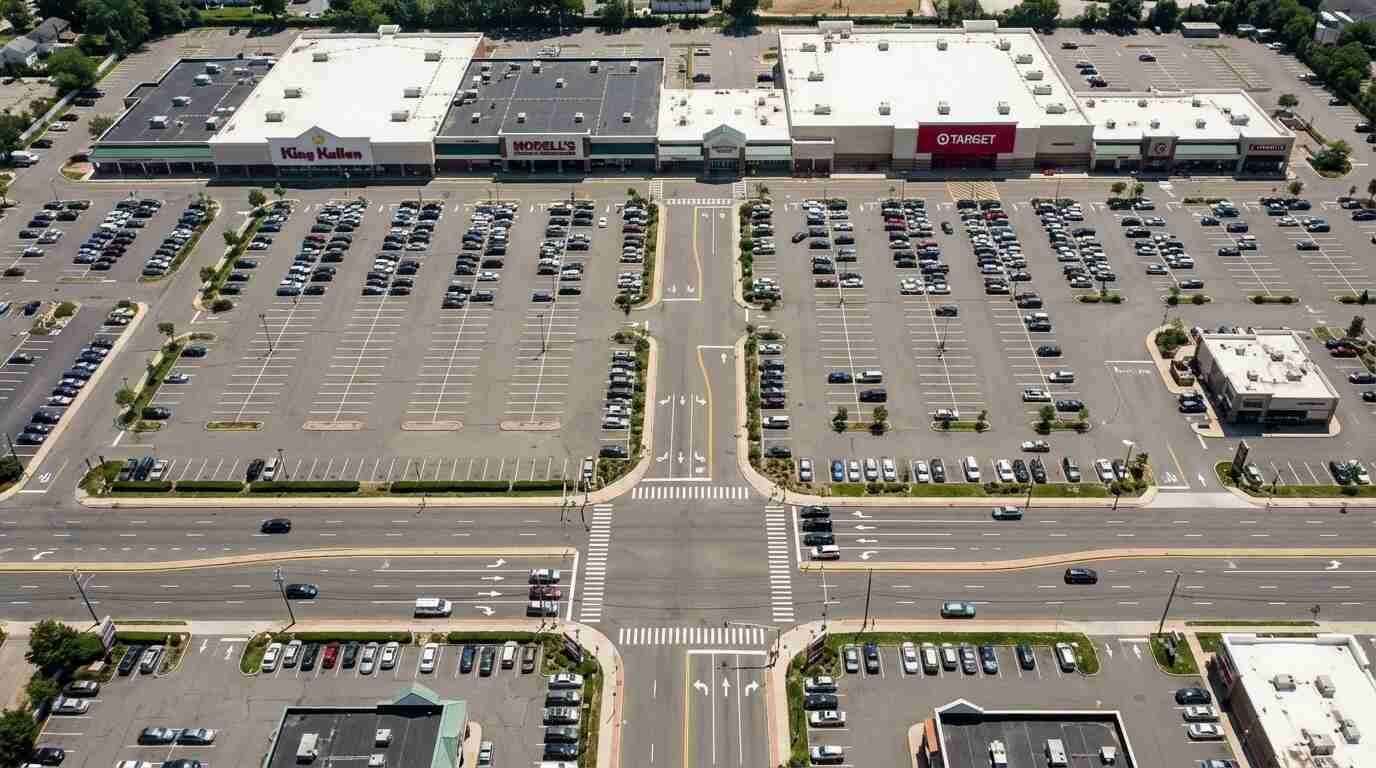
The lots along the Jericho Turnpike in Smithtown are, in many cases, exactly as large as they need to be for the building on them — no more. They were developed when the commercial demand was different and the regulatory environment was different. A chain evaluating a site in that corridor runs its parking ratio, factors in its expected daily vehicle count, and discovers that the lot that worked fine for a diner’s breakfast-lunch-dinner cadence does not support the throughput model its franchise agreement requires.
This is not Smithtown Town Hall protecting the diner as a cultural institution. This is the geometric reality of lots that were configured for one commercial era being asked to support a completely different one. The municipality’s codes are doing what codes do — describing a minimum — and the chains are discovering that the minimum here was set for a different kind of business.
What Grandfathering Actually Means
When people talk about “grandfathered” commercial uses on Long Island, they often mean it loosely — the place has been there forever, it has a certain right to exist. The technical meaning is more specific. A legally nonconforming use is one that predates a zoning ordinance change and is permitted to continue because it was already in operation. This matters in a commercial corridor like Smithtown’s because zoning updates happen gradually, and a diner that was in place before a particular setback requirement or use restriction was codified may be operating at a density or configuration that a new entrant simply could not replicate.
The Millennium Diner at 156 East Main Street — family-owned since 2000, operating in a corridor that has been a commercial hub since long before that — sits at the intersection of Routes 111 and 25, a location that any chain would pay significant money to access. It’s not that chains haven’t looked at that location. It’s that the economics of making it work, given the existing physical plant and the zoning constraints, are different from what a greenfield build-out in a newer commercial corridor would offer.
Smithtown has not historically been a hostile environment for chain restaurants. You can find national brands up and down the Route 25 and 25A corridors. What you’ll notice, if you look closely, is where they tend to cluster: in newer strip mall developments, in purpose-built commercial nodes with larger lots, in locations that were designed from the start for high-volume quick-service models. The places where old-school diners sit are often not the places chains have successfully landed. The two types of operation found their niches, and the niche for the diner turned out to be exactly where the chain couldn’t easily go.
The Infrastructure of Habit
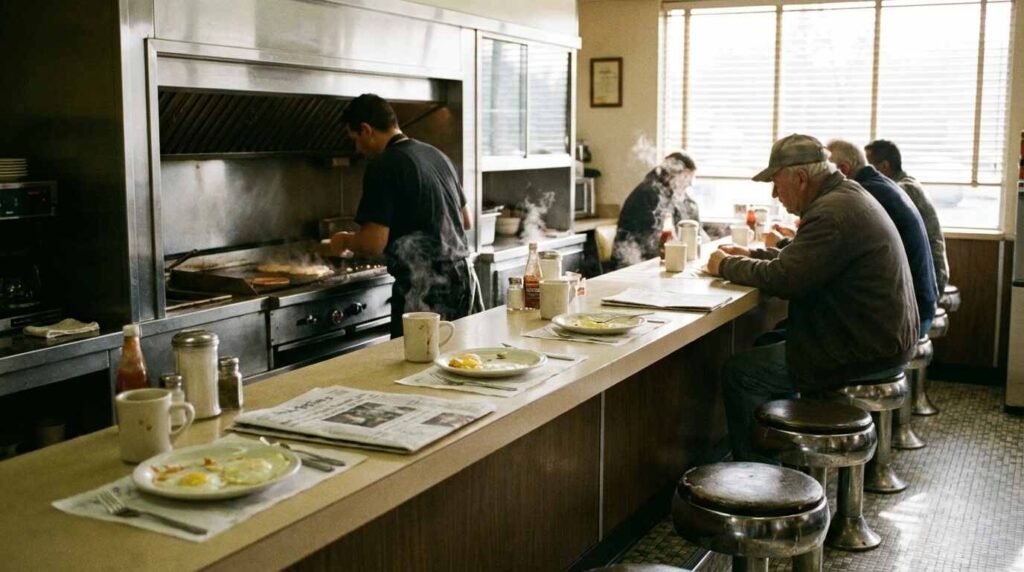
None of this explains the whole story, because economics and zoning don’t account for habit. A diner on the Jericho Turnpike in Smithtown has a morning customer base that has been coming in at the same time, ordering something close to the same thing, for years. That is not a competitive advantage that shows up on a pro forma. It’s invisible to a chain doing market research, and it’s real.
The Tuesday morning booth at a diner like Maureen’s Kitchen on Terry Road, or the counter seats at a spot that has been running the same breakfast service since the 1970s, are occupied by people for whom the choice of where to eat is not actually a choice — it’s a routine that has hardened into something closer to identity. The guy who’s been getting his coffee at the same counter for 15 years is not going to switch to a national brand’s version of the same thing because the signage is fresher.
Diners understood something about the repeat customer long before anyone was using words like “loyalty economics.” The model was always built around regulars, not tourists. A chain optimizes for average check and table turns. A diner optimizes for the person who comes back tomorrow. Those are different businesses, and they don’t actually compete for the same customer the way the chain’s real estate team assumes they do.
What Survives
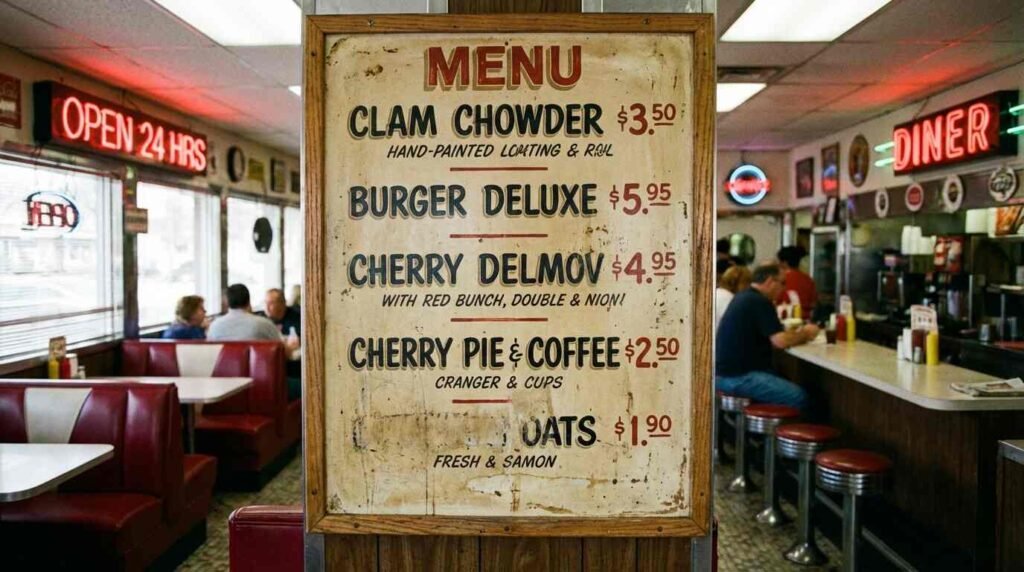
The Smithtown corridor’s diner culture has taken hits — closures happen, ownership changes hands, the economics of a breakfast business are never easy. But what hasn’t happened is displacement by the chains that, in most American commercial corridors, swept through and standardized everything.
Part of this is the lot geometry. Part of it is grandfathered infrastructure. Part of it is the rhythm of a customer base that local operators spent decades cultivating and that no amount of franchise marketing budget can quickly replicate. The codes that make large-footprint development difficult in established corridors were not written to protect the diner — they were written for a hundred other reasons — but the effect has been protective all the same.
The chain that does the site feasibility on a Smithtown parcel and concludes that the economics don’t work is not wrong. It’s just discovering what the diner figured out a long time ago: this corridor was built for a specific kind of business, and that business is still here.
You Might Also Like
- The Greek Diner Owners of Long Island: An Immigrant Story Told in Coffee and Eggs
- How a Jersey Joint Started Pulling in Numbers That Would Embarrass a Mid-Size Hotel
- The Diners That Disappeared: Demolished, Burned, or Bulldozed — Long Island’s Lost Roadside Icons
Sources
- The Millennium Diner, Smithtown: themillenniumdiner.com
- Maureen’s Kitchen, Smithtown: heritagediner.com
- Jericho Turnpike corridor: longislandexchange.com
- Smithtown Town Zoning Code: townofsmithtown.com