From Trenches to Atoms
The 5,000-acre stretch of pine barrens in Yaphank trained WWI draftees, then split atoms. A century of federal land use hidden in the Long Island woods.

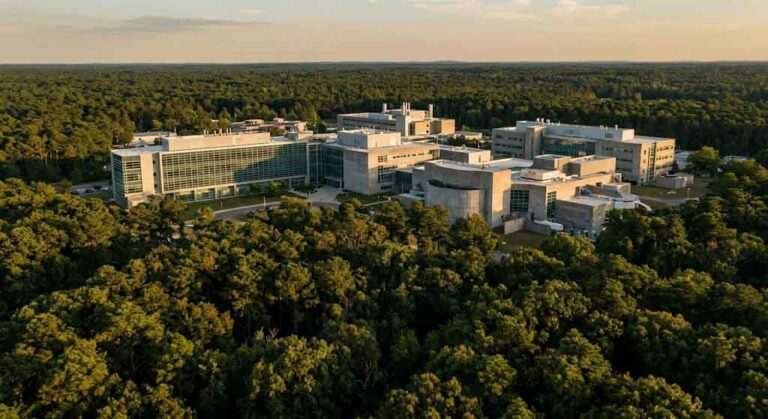
The 5,000-acre stretch of pine barrens in Yaphank trained WWI draftees, then split atoms. A century of federal land use hidden in the Long Island woods.
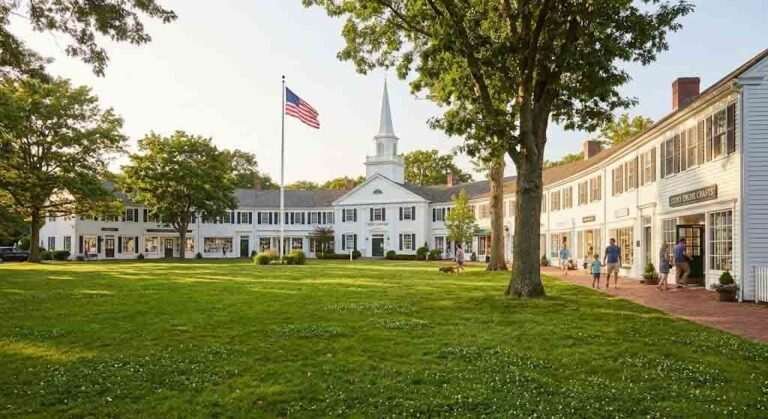
During the Great Depression, a shoe magnate bought a town and painted it colonial. Was Ward Melville’s Stony Brook Village Center philanthropy or the ultimate real estate flex?
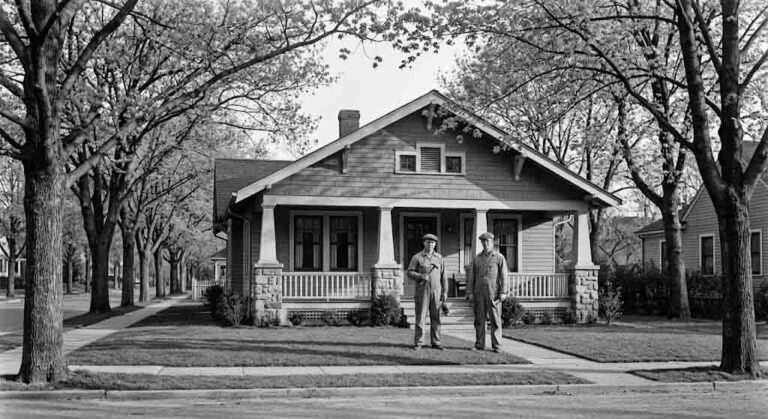
Before Amazon Prime, you ordered a house from a catalog. Sears kit homes sold between 1908 and 1940 still stand on Long Island — built by working hands, not consultants.
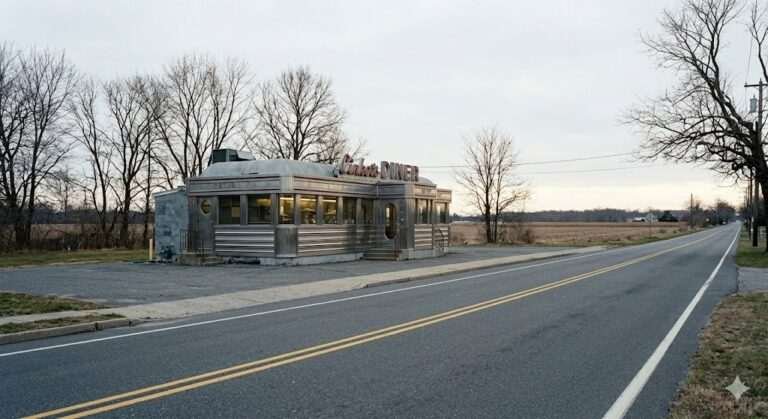
How two factories — Kullman in New Jersey and DeRaffele in New Rochelle — fabricated the chrome-and-porcelain diners that defined Long Island’s roadside landscape for generations.
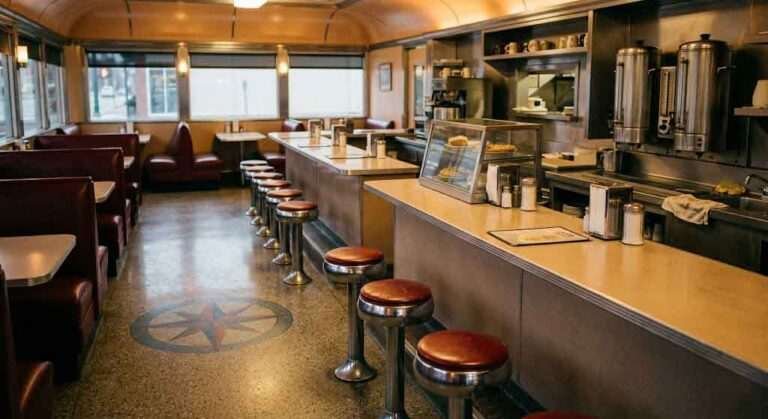
The Long Island diner didn’t build itself. Here’s the labor history behind why Greek immigrants dominated the diner industry — and what’s being lost as their generation turns over.
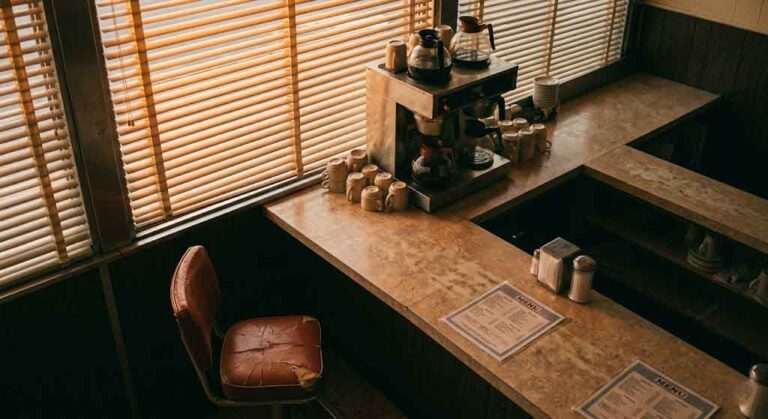
A eulogy for Long Island’s closed and demolished diners — the names, the addresses, what replaced them, and what their loss says about the suburbs we’ve become.