Some links in this post are Amazon affiliate links. As an Amazon Associate, Heritage Diner earns from qualifying purchases at no extra cost to you.
Fall arrives on the North Shore as a change in the light first, and then in the food. The farm stands thin out and fill up with a different crop, the air carries woodsmoke, and the kitchen starts asking for the oven.
Here is a checklist, written from the diner side of the pass. Dates and availability shift from year to year, so check with the farm or stand before you drive.
Apples and cider
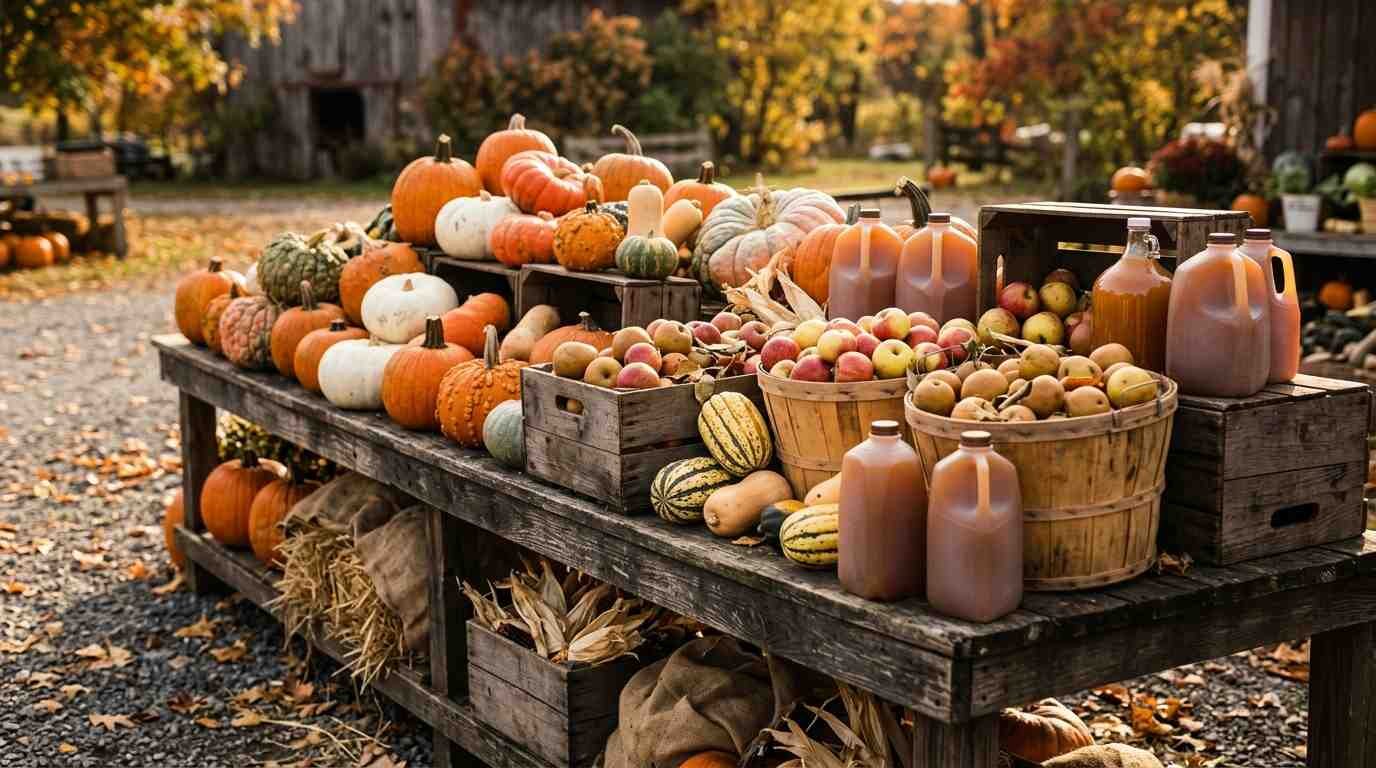
Local apple season runs through the early fall, with different varieties ripening at different times. Pick-your-own orchards operate across the region; confirm hours and conditions before you go. Tart apples, such as Granny Smith, hold their shape in pie. Softer, sweeter apples make sauce.
Fresh cider is unfiltered and unpasteurized in some places and pasteurized in others, and the label will say which. Check it, especially if you are serving children, older adults, or anyone with a weakened immune system.
Pumpkins and winter squash
Pumpkins for carving are not the best for cooking. Smaller sugar pumpkins and squash such as butternut and acorn have denser, sweeter flesh. Cut in half, scoop the seeds, brush with oil and roast cut-side down in a 400 degree F oven until tender, usually 40 to 50 minutes depending on size.
Roasted seeds make a snack. Rinse, dry, toss with oil and salt and roast at a moderate temperature until crisp.
A word on picking your own. Pick-your-own is half the fun. Go early, wear closed shoes, bring a bag or box if the farm allows, and ask where the ripest fruit is. Follow the farm’s rules about ladders, trees and rows. Wash what you pick before eating it, and refrigerate apples to keep them crisp for weeks.
Do not overbuy. A bushel is a lot of apples. A bag is plenty for a pie, a batch of sauce and a week of lunches.
Potatoes and root vegetables
Long Island has a long agricultural history, including potatoes, and fall is a good time to buy them from a farm stand. Roast potatoes, carrots, parsnips and beets together on a sheet pan with oil and salt at 425 degrees F. Turn once. Store the rest in a cool, dark place.
A heavy rimmed sheet pan and a good vegetable peeler are the main tools.
Chowder and seafood. The chowder question divides the region: New England style with cream, or the tomato-based Manhattan style. Both have their fans on Long Island. Fall water and cool air suit a hot bowl of either. Buy shellfish from a reputable source, keep it cold, and cook it fully. Check the date and tags on live shellfish.
Pie, of course. Apple pie, pumpkin pie and pecan pie all belong in the season. Make the crust cold: cold butter, cold water, a short rest in the refrigerator. Bake fruit pies on a sheet pan to catch drips. Cream and pumpkin pies need refrigeration after baking.
Make applesauce with what you picked
Applesauce is the easiest use of a big haul. Peel, core and chop six to eight apples, put them in a pot with a splash of water and a pinch of cinnamon, and cook over medium-low heat until soft, about twenty minutes. Mash with a fork for a chunky sauce. A little sugar is optional, depending on the apples.
Cool and refrigerate for up to about a week, or freeze it in jars with room at the top. Warm applesauce on pork chops, on pancakes or on its own is a good small pleasure.
Warm the house with the oven. Cooler nights are a good reason to bake. Roast a tray of vegetables, make a batch of cornbread, put a pot roast in the oven, or bake a pie. The house warms up, the windows steam, and the smell is better than any candle.
There is a rhythm to it: a big cook on the weekend, leftovers during the week, and a pot of soup when the cold really sets in. Keep it simple, and eat it with people you like.
Before you go
Call ahead or check the farm’s posted schedule, since crops, hours and weather all shift. Dress in layers, bring a cooler for anything that needs to stay cold, and buy a little more than you think you need of the thing you love most. It will be gone by Thanksgiving.
Comfort cooking. Chili, stew, meatloaf, a roast chicken with root vegetables, a pot of soup. Fall is when the Dutch oven comes out. A pot of chili or stew improves a day later and feeds a crowd.
Cool leftovers within two hours and refrigerate. Reheat until steaming.
Take a drive
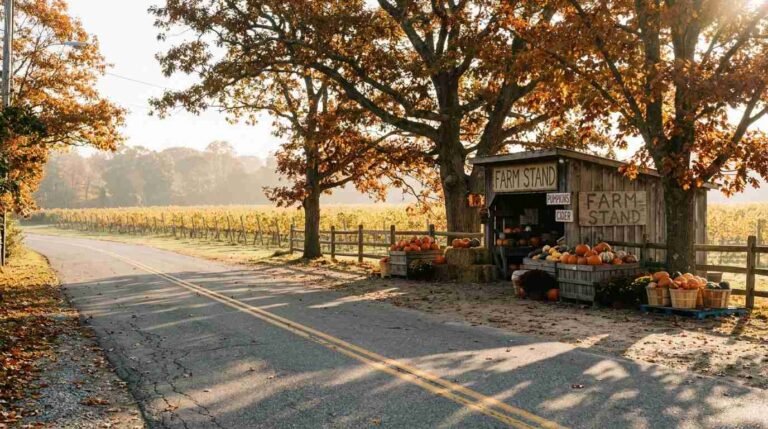
Foliage on Long Island usually turns later than farther north, so plan for a stretch from October into early November, and check local reports. A drive along the Sound with a stop at a farm stand and a diner is its own seasonal ritual. Bring a cooler for what you buy.
A simple fall weekend. Saturday: apples in the morning, a pie in the afternoon, soup for dinner. Sunday: a roast, root vegetables and leftovers for the week. It is not a complicated plan, and it is a good one.