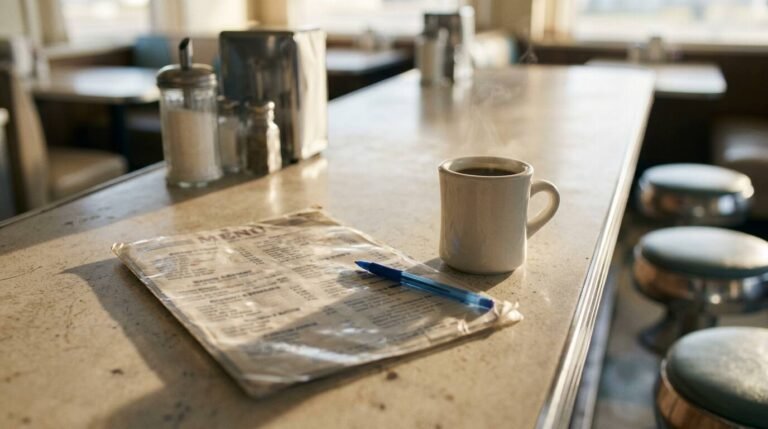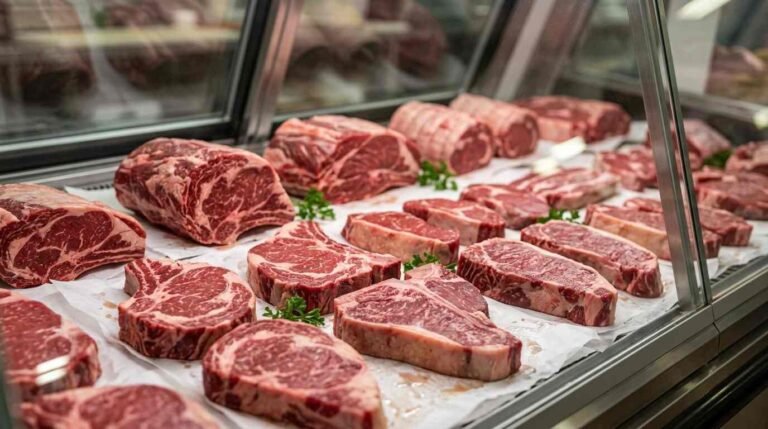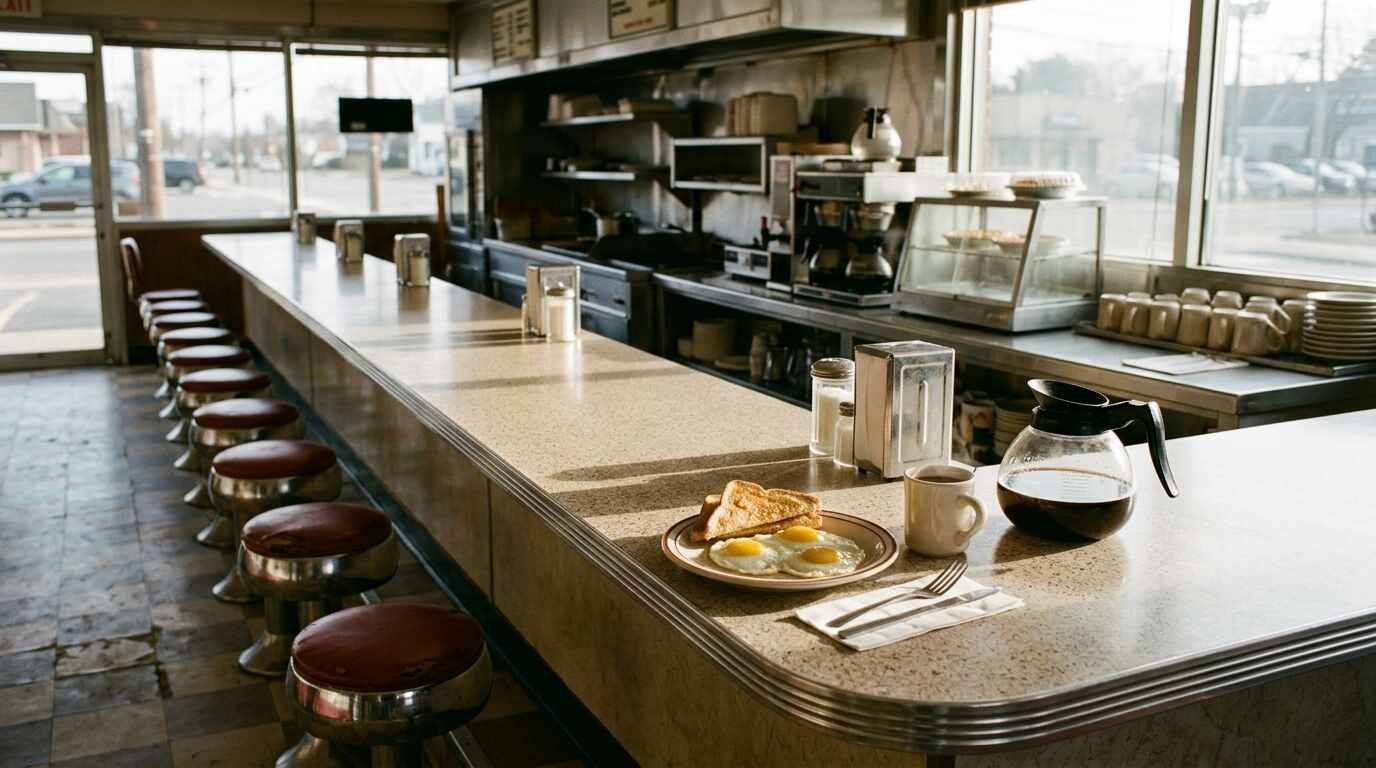
The latest Consumer Price Index report has a split-screen quality for anyone who buys food, and especially for anyone who sells it. Groceries got a touch cheaper in September. Eating out did not. According to the Bureau of Labor Statistics, which released the September numbers on Wednesday, October 14, the price of food at home slipped 0.1% for the month and is up 1.8% over the past twelve months. Food away from home, the category that covers diners, restaurants and takeout, rose 0.2% in September and is up 3.5% from a year ago.
That makes the restaurant side of the ledger rise at nearly twice the pace of the supermarket side. For a business like a neighborhood diner, that gap is both a warning and a clue about where customers are heading.
What the September numbers say
The BLS release reports overall food prices unchanged in September and up 2.5% over twelve months. Inside that headline, the two halves of the food budget are moving apart. Grocery prices are running well under the 3.5% restaurant figure, which means a family that cooks at home is feeling less of the squeeze than a family that eats out regularly.
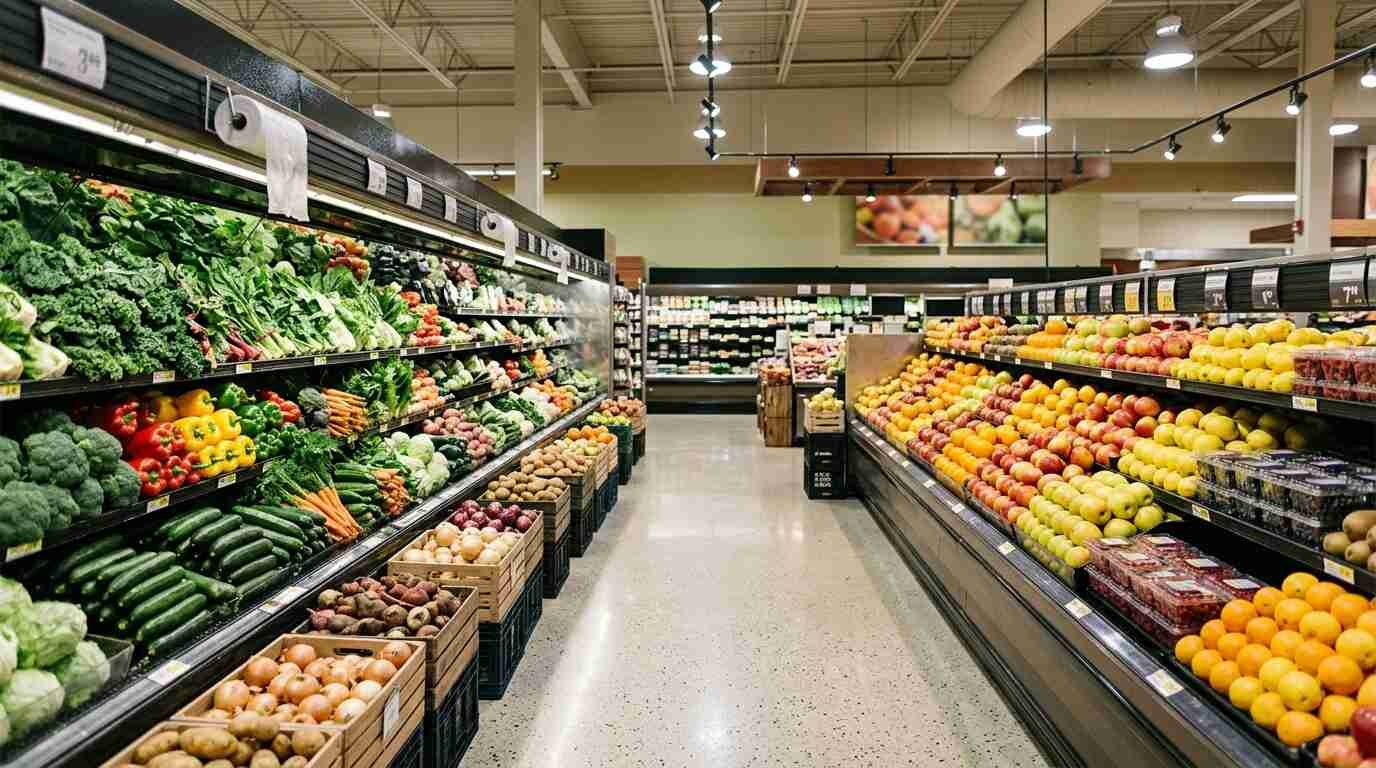
- Food at home: down 0.1% in September, up 1.8% over twelve months.
- Food away from home: up 0.2% in September, up 3.5% over twelve months.
- All food: unchanged in September, up 2.5% over twelve months.
- Beef: the beef index fell 1.0% in September, according to the release.
- Nonalcoholic beverages: up 0.9% in September and 3.8% over twelve months.
The BLS release does not break out coffee or eggs by name in the portion reviewed here. A trade summary of the same data from IndexBox reported that eggs are down more than 20% from a year ago as the bird flu shortage fades, while coffee, candy and seafood have climbed. Treat those item-level figures as secondary until you have checked the full BLS tables yourself.
The wider mood: shoppers are still stretched
The food numbers landed in a week when inflation overall picked up. The Associated Press reported, in a story carried by WSB-TV in Atlanta, that inflation accelerated in September and that retail sales rose 0.8%, with gasoline making up a large share of the gain. AAA put the national average for regular gas at $4.33 a gallon on Thursday. In the same AP report, a consultant from AlixPartners said consumers are trading down to cheaper brands and stores, shopping earlier, and leaning more on credit cards and buy now, pay later plans.
Put those pieces together and a picture forms. Households that feel squeezed at the pump and on the credit card are likely to protect their grocery budget first and trim the dining-out budget second, because the restaurant bill is the line item they can most easily skip. Eating out carries a bigger year-over-year price increase than cooking at home, which only strengthens that pull.
Why restaurants cannot simply price their way out
A 3.5% rise in menu prices sounds modest on paper. On a single $50 check it works out to about $1.75, an illustrative figure rather than a reported one. But customers do not experience inflation as a percentage. They experience it as a total at the bottom of the check, compared against what they remember paying last year and against what a grocery run costs this week.
Operators face a squeeze from the other direction too. Costs for labor, insurance, utilities and ingredients do not move in lockstep, and the September data shows why guessing is hard: beef eased for the month while beverages rose sharply. A diner that built its menu around steady ground beef pricing and a bottomless coffee cup has to weigh each of those lines separately.
What it means on the North Shore
Long Island diners sit right in the middle of this tension. Breakfast and lunch regulars are price-aware, they compare the check with what a home breakfast costs, and they have plenty of alternatives within a short drive. The national numbers do not describe any single Nassau or Suffolk menu, and this report does not break out the New York area, so local owners will want to check their own supplier invoices rather than assume the national trend applies line by line.
What the national picture does suggest is that value is going to be the deciding factor this fall and winter. Customers who still want a meal out are likely to favor places where the plate is generous, the coffee keeps coming and the price feels fair for what arrives.
Practical takeaways
For diners and restaurant owners, a few reasonable moves follow from the data.
- Watch the gap. When menu inflation outruns grocery inflation, guests do the mental math. Sharper specials and combo pricing can keep the gap from feeling wide.
- Price by item, not by habit. Beef and eggs have moved differently from beverages. Reviewing each line separately beats a blanket increase.
- Lean on breakfast and lunch value. Those are the meals where a home alternative is cheapest, so they are the most price-sensitive.
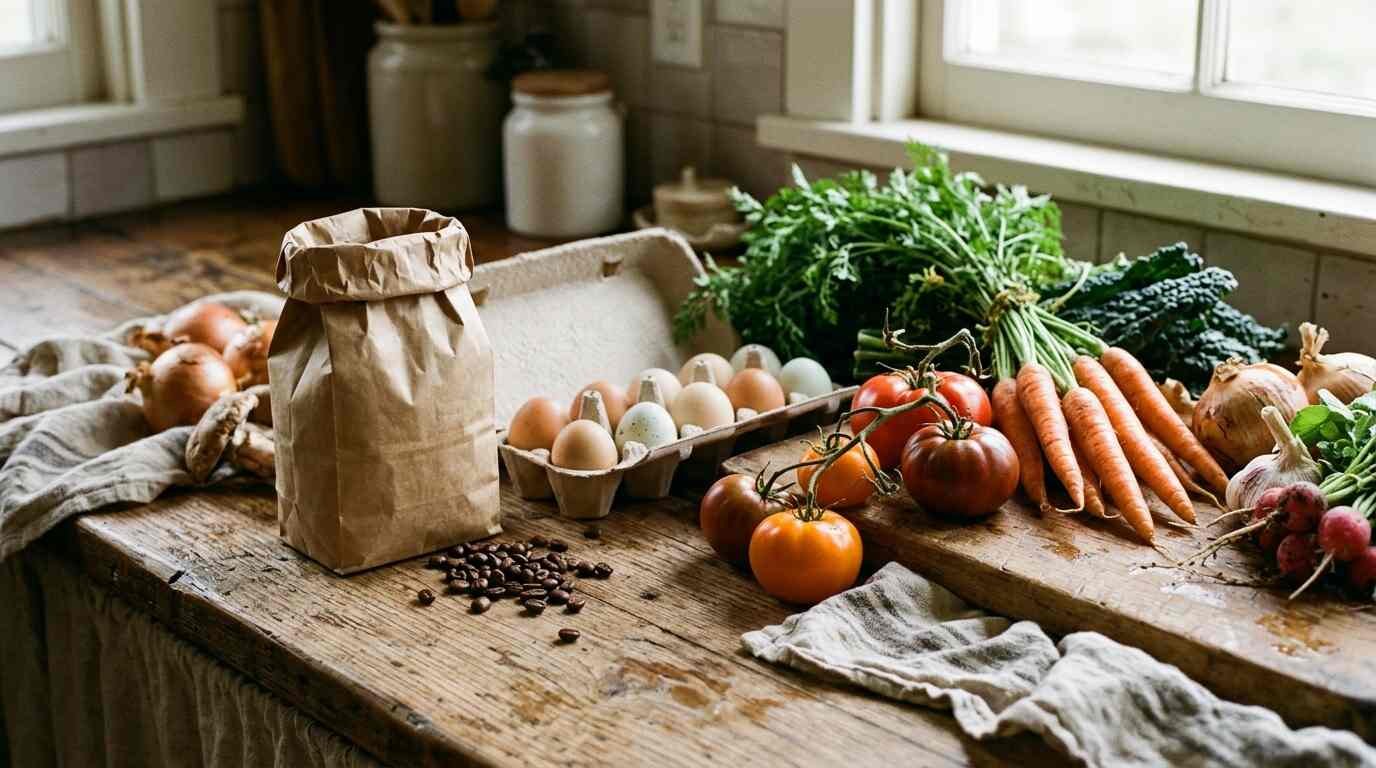
- For home cooks, the grocery side is the calmer one right now. A diner-style breakfast at home, with eggs cheaper than a year ago by some accounts, is one of the easier places to save.
What to watch next
The next CPI report will show whether the restaurant premium keeps widening or whether grocery prices turn back up as fuel costs work through the supply chain. Gasoline and diesel prices are the swing factor, since they touch both food transport and the family budget. Until then, the September split is the clearest snapshot we have of how the cost of eating out has pulled away from the cost of eating in.
This post covers published government statistics and wire reporting and is not financial advice. Price figures are national averages and may not match local menus. Heading into the holidays, check your own receipts and invoices.
Sources
- U.S. Bureau of Labor Statistics, Consumer Price Index summary for September 2026 (primary source): bls.gov/news.release/cpi.nr0.htm
- AP (Anne D’Innocenzio) via WSB-TV, retail forecast story with inflation and retail sales context, October 15, 2026: wsbtv.com
- IndexBox, summary of September grocery price data (secondary, item-level figures): indexbox.io