Fisher’s Arbitrary Line
The 95% confidence threshold that gatekeeps all of published science was proposed by a single statistician in 1925, who later said it was being misused. Here’s why that happened and why it won’t change.

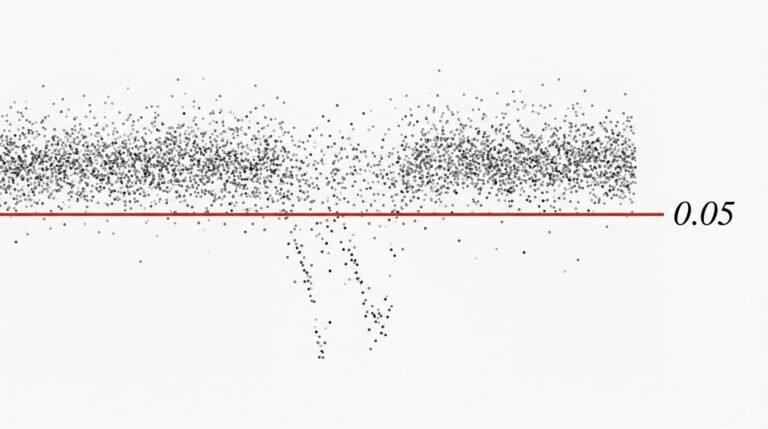
The 95% confidence threshold that gatekeeps all of published science was proposed by a single statistician in 1925, who later said it was being misused. Here’s why that happened and why it won’t change.

Richard Feynman named the failure mode in 1974. The replication crisis proved him right. The problem isn’t bad scientists — it’s incentive systems that make rigorous science economically irrational.

The NYT bestseller list isn’t a sales chart. Understanding how it actually works changes how you read it — and which books on it you should trust.
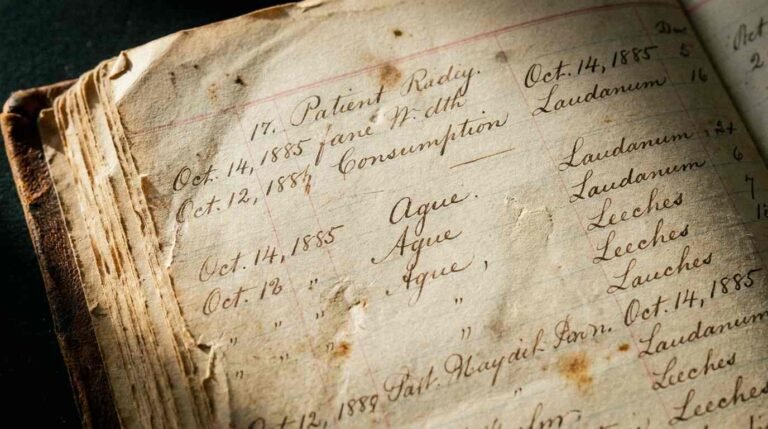
Mukherjee’s biography of cancer is one of the best science books ever written. Here’s what makes it hold up — and what it tells you about how medicine actually works.

The 2026 James Beard nominees are out. A Long Island diner owner reads between the lines on what New York’s dining culture is rewarding — and ignoring.

Caravaggio didn’t just use shadow — he weaponized it. A deep look at how his chiaroscuro technique changed painting and why it still hits hard in 2026.