
In the high-stakes world of real estate, the most dangerous assumption a consumer can make is that “all agents are the same.” They are not. In fact, depending on which agent you are speaking to, their legal obligations to you can be diametrically opposed.
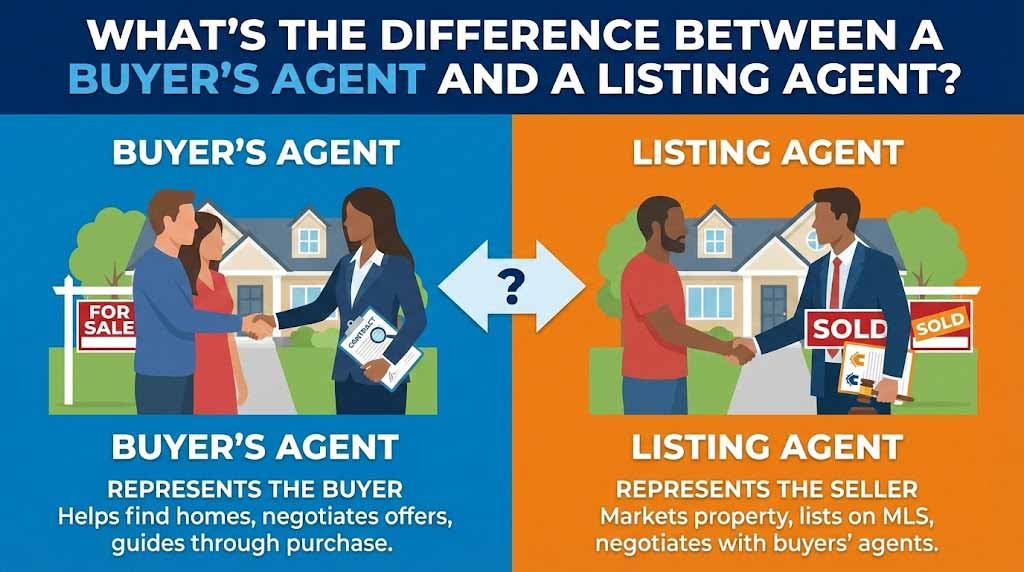
Real estate transactions are, by definition, adversarial. One party wants the highest price; the other wants the lowest. One wants to sell “as-is”; the other wants repairs. To navigate this zero-sum game, New York State law creates distinct roles with specific fiduciary duties. Understanding the difference between a Listing Agent and a Buyer’s Agent isn’t just semantics—it is the difference between having a coach and having a salesperson.
Here is the definitive breakdown of who works for whom in the 2026 market.
1. The Listing Agent: The Seller’s Architect
The Listing Agent (or Seller’s Agent) has one singular legal goal: To get the best possible terms for the seller.
They are the architect of the sale. Their job is to market the asset, stage the home to hide flaws, price it aggressively, and negotiate every penny out of the buyer.
- Fiduciary Duty: They owe 100% loyalty to the seller.
- The Trap: If you call the number on the “For Sale” sign, you are talking to the Listing Agent. Anything you say to them (“We love this house, we’d pay $50k over asking!”) can and must be used against you to help their client (the seller).
- Analogy: Calling the Listing Agent to help you buy a house is like hiring the other team’s goalie to coach your offense.
2. The Buyer’s Agent: The House Hunter’s Advocate
The Buyer’s Agent is your dedicated representative. Their legal obligation is to protect your interests, not the sale.
In the post-2024 NAR settlement era, the role of the Buyer’s Agent has become even more formalized. You now sign a representation agreement upfront, which guarantees that this agent is legally bound to:
- Find the Flaws: While the Listing Agent points out the granite countertops, the Buyer’s Agent points out the 20-year-old roof and the grading issues in the backyard.
- Negotiate Hard: They use market data (Comps) to justify a lower offer, regardless of the list price.
- Keep Secrets: They must keep your financial ceiling and motivation confidential.
3. The “Dual Agency” Dilemma
What happens if one agent represents both the buyer and the seller? This is called Dual Agency, and while legal in New York (with written consent), it fundamentally changes the relationship.
- The Shift: In Dual Agency, the agent becomes a “neutral facilitator.” They can no longer advocate for either side. They cannot tell the seller to accept less, and they cannot tell the buyer to offer less. They simply push paper.
- Expert Insight: Paola Meyer, Associate Broker at Realty Connect USA, advises that for maximum protection, buyers should usually seek exclusive buyer representation. You want someone who is contractually obligated to fight for you, not just “get the deal done.”
4. The Commission Conversation (The New Normal)
Since the industry-wide changes in 2024, transparency regarding “who pays whom” is higher than ever.
- Old Way: The seller almost always paid both agents.
- 2026 Way: While sellers often still offer concessions to pay the buyer’s agent, it is now a negotiated term. This transparency empowers buyers to interview agents based on value.
- The Value Add: A skilled Buyer’s Agent saves you money not just on the price, but on the inspection negotiations—often saving their clients 3x their fee in repair credits and price reductions.
5. Strategy: Marketing vs. Investigation
The fundamental difference lies in their daily activities.
- Listing Agent Strategy: They are marketers. They hire professional photographers, run social media campaigns, and host open houses to create “buzz.”
- Buyer’s Agent Strategy: They are investigators. They are digging through municipal records for open permits, calling town halls to check on zoning for that pool you want to build, and analyzing “Days on Market” trends to spot a desperate seller.
Conclusion: Don’t Go Unrepresented
In a transaction that involves hundreds of thousands of dollars, relying on the seller’s representative is a financial risk. You need your own counsel.
Whether you are meeting at the Heritage Diner to strategize your offer over coffee or touring open houses in Smithtown, having a dedicated Buyer’s Agent ensures that someone in the room is looking at the house through your eyes—wallet and all.
Watch: Agency Explained This video breaks down the legal distinctions between the two roles and explains “fiduciary duty” in simple terms.
Buyer’s Agent vs Listing Agent – Who Works for You?
Ready to find your advocate?