The ketogenic diet has an image problem when it comes to meat. Scrolling through keto forums and Instagram accounts, you’d think the entire diet consists of bacon wrapped in more bacon, served on a bed of cheese, with a side of butter. In reality, the best keto practitioners understand that meat selection is a nuanced art—one where the cut you choose, the animal it came from, and the way you cook it determine not just whether you stay in ketosis but whether you actually enjoy your meals month after month. The fundamental principle is straightforward: meat is essentially zero-carb and high in both protein and fat, making it the cornerstone of ketogenic eating. But as registered dietitian Tiffany Joy Yamut of Ketogenic.com explains, the goal is to eat a variety of unprocessed meats while staying within your personal macronutrient targets—typically 70—80 percent of calories from fat, 20—25 percent from protein, and 5—10 percent from carbohydrates. Here are the best cuts for that mission, and exactly how to cook each one.
Ribeye Steak: The King of Keto Cuts
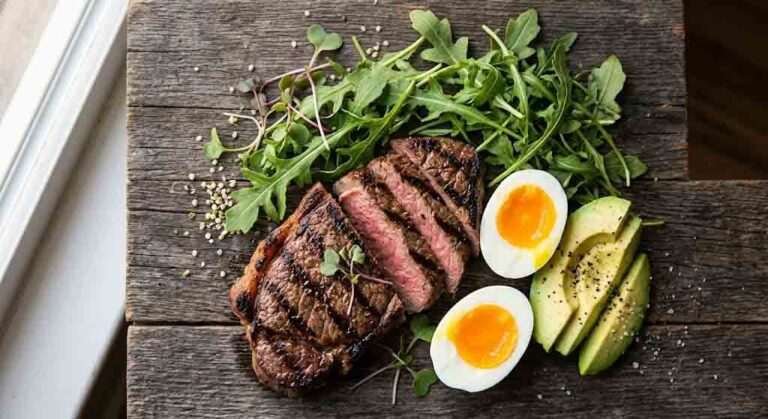
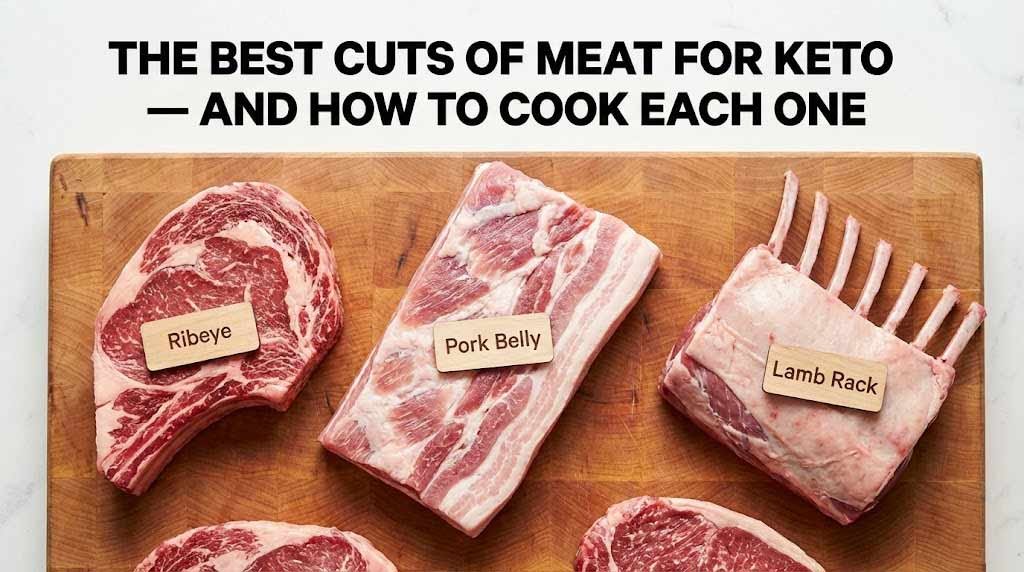
If you could eat only one cut of meat on keto, it should be the ribeye. An 11-ounce portion contains approximately 54 grams of fat (83 percent of the daily value), according to US Wellness Meats, along with abundant protein and zero carbohydrates. The generous marbling—those white streaks of intramuscular fat running through the lean muscle—isn’t just aesthetic; it’s functional, providing both the fat your body needs for ketosis and the flavor that makes the diet sustainable. As keto nutritionist Christina Oman advises: “My advice to someone starting keto is always to eat lots of dietary fat. As much as possible.” How to cook it: The reverse sear method is ideal for a thick-cut ribeye. Place on a wire rack in a 250°F oven until the internal temperature reaches 115—120°F, then sear in a screaming-hot cast-iron skillet for 60—90 seconds per side. Finish with a knob of butter, crushed garlic, and fresh thyme. No sauce needed—the fat does all the work.
Pork Belly: The Highest-Fat Cut in the Butcher Case
Pork belly is essentially unsliced, uncured bacon—and it’s the fattiest commonly available cut of meat you can buy. A 4-ounce serving contains approximately 60 grams of fat, 10 grams of protein, and 585 calories, according to Wellness52. That fat-to-protein ratio makes it one of the most ketogenically efficient foods available. Pork in general has a macronutrient ratio of roughly 50 percent fat, 40 percent protein, and 5 percent carbs—making it one of the most naturally keto-aligned proteins. Look for pasture-raised pork belly when possible; according to Force of Nature Meats, pastured pork is richer in anti-inflammatory omega-3 fats than conventionally farmed pork. How to cook it: Score the skin in a crosshatch pattern, rub generously with salt, and slow-roast at 275°F for 2.5 to 3 hours until the internal temperature reaches 190°F. Finish under a broiler for 3—5 minutes to crackle the skin. The result is meltingly tender meat beneath a shattering crust—nature’s own keto indulgence.
Chicken Thighs: The Dark Horse (Skin-On, Bone-In)
Keto newcomers often default to boneless, skinless chicken breast—the dieter’s standby since the low-fat era. That’s a mistake. Chicken breast is too lean for keto without significant added fat, while bone-in, skin-on chicken thighs provide 25 grams of fat and 14 grams of protein per 4-ounce serving. The skin renders into golden crispiness when cooked properly, providing both flavor and fat. According to Wholesome Yum, the most keto-friendly meats come from darker cuts with more natural fat—and chicken thighs epitomize this principle. How to cook it: Season generously with salt, pepper, garlic powder, and smoked paprika. Place skin-side down in a cold (unheated) cast-iron skillet, then turn the heat to medium. Cook for 12—15 minutes without moving until the skin is deeply golden and crisp. Flip and cook 8—10 minutes more until the internal temperature reaches 175°F. The cold-start method renders the fat slowly, producing shatteringly crisp skin without burning.
New York Strip and T-Bone: The Versatile Middle Ground
The New York Strip offers 34 grams of fat in a 7-ounce serving (53 percent daily value), placing it between the ultra-rich ribeye and leaner cuts like sirloin. It’s widely available, relatively affordable, and responds well to high-heat cooking methods. The T-bone, which includes both a strip and a section of tenderloin separated by a bone, delivers 40 grams of protein and 35 grams of fat per 6-ounce serving. Both are excellent keto staples that provide enough fat to support ketosis without requiring added oils or butter (though butter certainly doesn’t hurt). How to cook it: For a New York Strip, the classic pan-sear is king. Preheat a cast-iron skillet over high heat for 8 minutes. Add avocado oil, then lay the steak away from you. Sear 3—4 minutes per side for medium-rare. For a T-bone, the reverse sear works better due to the varying thickness—the tenderloin side cooks faster than the strip side, and starting low equalizes them.
Ground Beef: The Budget Keto Workhorse
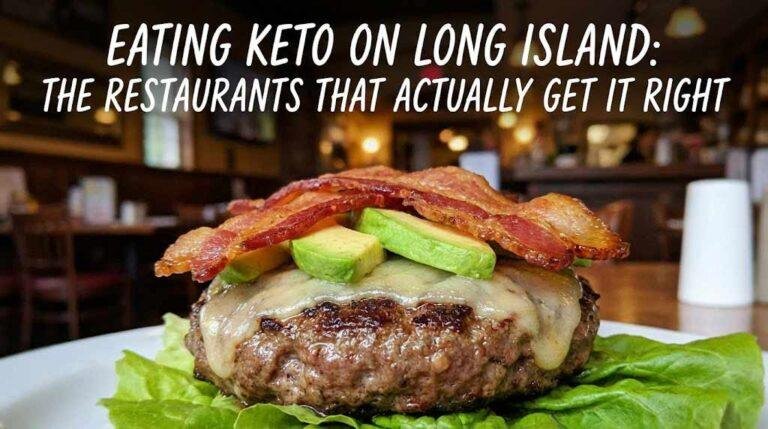
Don’t overlook ground beef. It’s the most versatile and budget-friendly protein on the keto diet. The key is choosing the right fat ratio: 80/20 (80 percent lean, 20 percent fat) is ideal for keto, providing enough fat for flavor and ketosis without excess. Some keto practitioners even seek out 70/30 or 73/27 for maximum fat content. Ground beef can become burgers (on lettuce wraps or eaten with a fork), taco meat (in cheese shells or lettuce cups), meatballs (using almond flour as a binder), chili (without beans), or bolognese sauce (over zucchini noodles). When cooking ground beef for keto, retain the rendered fat in the pan rather than draining it—that’s where much of the ketogenic value lies. Top with cheese, avocado, or sour cream for additional fat. How to cook it: For smash burgers, form 3-ounce balls of 80/20 ground beef. Heat a cast-iron skillet until smoking. Place the balls in the pan and smash flat with a heavy spatula. Season with salt and pepper. Cook 2 minutes, flip, add American cheese, cook 1 minute more. Serve on butter lettuce with mustard, pickles, and onion.
Lamb Chops, Bison Ribeye, and the Premium Tier
For variety and nutritional depth, look beyond the standard beef-pork-chicken rotation. Lamb chops are naturally higher in fat than most beef cuts, with a distinctive flavor that pairs beautifully with rosemary and garlic—both zero-carb seasonings. Lamb is also a good source of conjugated linoleic acid (CLA), which some studies associate with improved body composition. Bison ribeye, while leaner than beef ribeye, is exceptionally nutrient-dense: rich in iron, vitamin B-12, niacin, and zinc, with over 60 grams of protein per serving. Force of Nature Meats notes that bison is uniquely suited to regenerative agriculture, making it both a nutritional and environmental choice. For keto dieters who also eat seafood, wild-caught salmon provides healthy omega-3 fats and protein with zero carbs—a perfect complement to the red meats that dominate most keto plates. How to cook lamb chops: Season with cumin, paprika, salt, and chili powder. Grill over high heat for 3—4 minutes per side. The simplicity of seasoning lets the lamb’s natural fat and flavor carry the dish.
The Keto Meat Mistakes to Avoid
Not all meat is equal on keto. The biggest pitfalls are processed meats with hidden sugars—sausages with corn syrup, bacon with maple glaze, deli meats with dextrose. Always read the label; anything that has undergone smoking, curing, or drying may contain added carbohydrates. Second, avoid cooking methods that add carbs: breaded cutlets, flour-dredged pan-fries, and glazed roasts all contain hidden sugars and starches. Third, don’t eat the same cut seven days a week. Rotating between beef, pork, poultry, lamb, fish, and game meats ensures you avoid micronutrient deficiencies and keeps the diet interesting enough to sustain long-term. As sports nutritionist Rudy Mawer, CISSN, notes: “Protein should be moderate, as a very high intake can spike insulin levels and lower ketones.” The goal isn’t maximum protein—it’s the right balance of fat and protein to keep you in ketosis and enjoying your food. For those shopping for the perfect Long Island kitchen to cook these cuts in, start your search here.
Related Posts: Eating Keto on Long Island: The Restaurants That Actually Get It Right | The Perfect Steak at Home: What Restaurant Chefs Know That You Don${ap}t
Video: Best Meats for Keto Diet Explained (YouTube)Sources: US Wellness Meats / PaleoHacks, Ketogenic.com (2023), Wholesome Yum (2025), Force of Nature Meats (2023), Keto Summit (2020), PorkRinds.com, Carnivore Style (2025), Wellness52, Organize for Living (2025), USDA National Nutrient Database.