What the History Books Leave Out
Every account of the Culper Spy Ring leads to the same places: coded letters, invisible ink, dead drops, Anna Strong’s clothesline. It’s a good story. It has tradecraft. It has suspense. Alexander Rose wrote the definitive popular account in Washington’s Spies (2006), AMC dramatized it for four seasons, and the Three Village Historical Society runs a dedicated exhibit. The infrastructure of espionage — how information traveled from a British officer’s dinner conversation in Manhattan to George Washington’s headquarters across the Sound — is well documented through the Clinton Papers at the University of Michigan, the Washington Papers at the Library of Congress, and Morton Pennypacker’s foundational 1939 research.
What nobody talks about: where Abraham Woodhull ate lunch, what Austin Roe ordered when he stopped to rest a horse on the 55-mile ride between Setauket and New York City, and how the provisioning of British troops across occupied Long Island created the exact commercial infrastructure the ring needed to function without detection.
The tavern isn’t a footnote to this story. It’s the mechanism.
Austin Roe’s Cover Story Was the Point
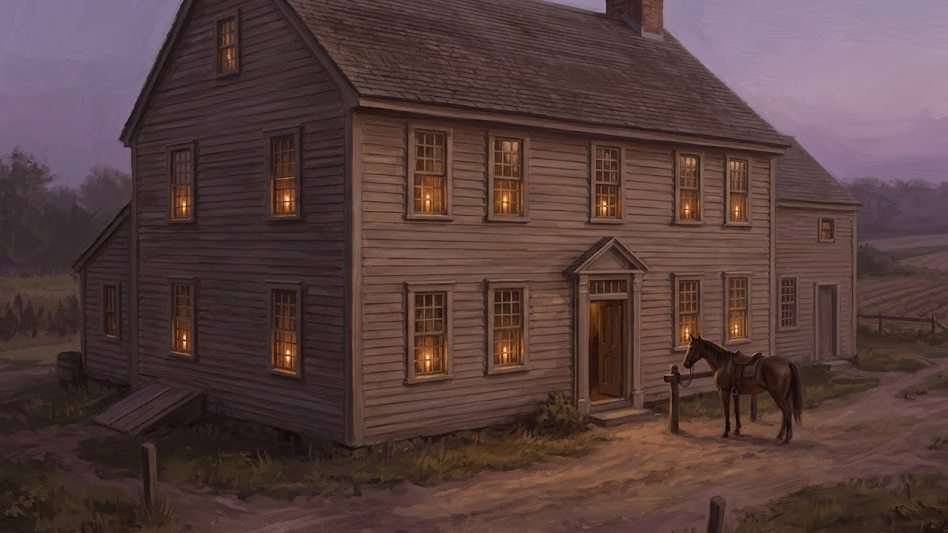
Austin Roe was a tavern keeper. The historic marker that once stood at the corner of Route 25A and Bayview Avenue in Setauket — where the Roe Tavern stood from 1703 to 1936, when it was moved — identifies him as an innkeeper who was “one of Washington’s spies.” President Washington himself, on his 1790 tour of Long Island, spent the night at Roe’s establishment.
The Culper Ring reports, according to Encyclopaedia Britannica, were conveyed by a chain of agents who conducted their activities during the course of their normal daily business. Roe didn’t make special or unusual trips. He made the trip that a tavern keeper in Setauket would legitimately make: riding into New York City to purchase supplies for his establishment. Robert Townsend, the ring’s primary agent in Manhattan, would give Roe his intelligence reports when Roe visited Townsend’s dry-goods store — ostensibly to pick up inventory for the tavern. The messages were hidden in goods Roe transported east across Long Island.
This is what made the operation sustainable across five years without a single operative being unmasked: the cover wasn’t a cover. The tavern needed supplies. The tavern keeper made runs to the city. The British saw exactly what they were supposed to see.
What Taverns Actually Were
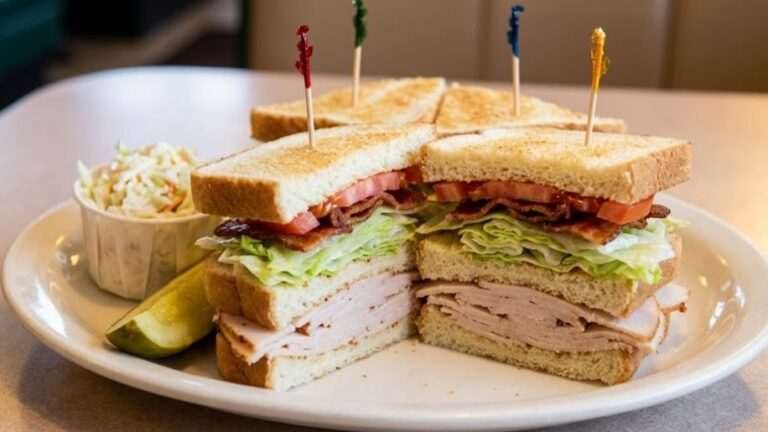
The tavern in Revolutionary War-era Long Island was not simply a place to drink. It was the essential commercial node of a rural economy — the place where travelers stopped, horses were rested, news was exchanged, and transactions of every kind were conducted. In a small hamlet like Setauket, the tavern served functions that later separated into diners, post offices, courthouses, and commercial hotels. Information moved through it the way information moves through a diner counter today: fast, without attribution, and in all directions simultaneously.
The British occupation of Long Island — which lasted from August 1776 through the end of the war in 1783 — imposed a military provisioning system on the island’s farms and merchants. British troops quartered in Setauket, using the First Presbyterian Church as a stable and occupying estates like the Strong property at Strong’s Neck. They needed feeding. The farms and provisioning operations of eastern Long Island — including the farms of Patriot families like the Woodhulls — became supply nodes for the British Army whether their owners consented or not.
That system of provisioning created cover for the Culper agents. Austin Roe could ride to New York and back without arousing British suspicion because he was doing what every provisioner in a tavern town did: sourcing what the market in Setauket couldn’t supply locally. The food economy wasn’t just a backdrop to the intelligence operation — it was the infrastructure the intelligence operation ran on.
The Dead Drop in the Field
By 1779, the ring’s operational pattern was established. Robert Townsend, operating as “Samuel Culper Jr.” in Manhattan, would gather intelligence through his connections at James Rivington’s Loyalist newspaper and through British officers who frequented Townsend’s establishments. Townsend would pass reports to Roe when Roe visited the dry-goods store — reports hidden in goods for the tavern run.
Roe would carry them east, past British checkpoints and patrols that had no particular reason to search a tavern keeper’s supply wagon too carefully. In Setauket, he would deliver the intelligence to Abraham Woodhull, whose farm sat between Conscience Bay and Little Bay. A dead drop — a box hidden in a pasture Roe rented from Woodhull — may have been used for the handoff, though historian Claire Bellerjeau of the Raynham Hall Museum in Oyster Bay has noted she hasn’t found documentary evidence of the box and questions whether a direct handoff between men who trusted each other wouldn’t have been simpler.
What is documented: Woodhull allowed Roe to bring cows to pasture on his property. The arrangement gave Roe a reason to visit Woodhull’s farm that would have looked entirely routine to anyone watching — and someone was usually watching.
The Brewster House and the Intelligence Waterway
Joseph Brewster operated a tavern out of his home in Setauket — the Brewster House, circa 1665, still standing today and maintained by the Ward Melville Heritage Organization in Stony Brook. Joseph’s cousin Caleb was a different kind of asset: a former whaler turned Continental Army lieutenant who knew every cove on the north shore of Long Island Sound.
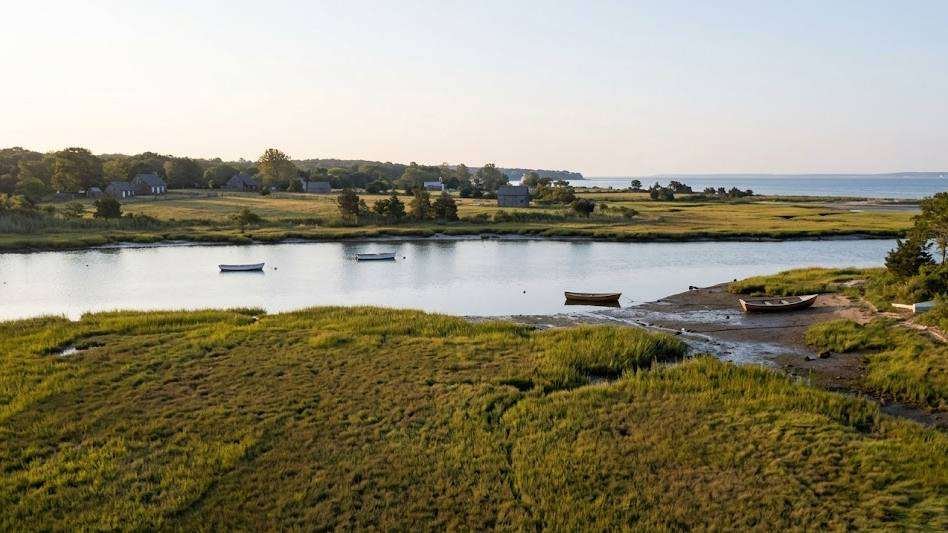
Once Woodhull had the intelligence, it went to Caleb Brewster, who would pick it up at one of six secluded coves near Setauket, then row across the Sound with his whaleboat crews to meet Benjamin Tallmadge on the Connecticut shore. From there, express riders carried the messages to Washington.
The Brewster House sits approximately 150 feet from one of those landing coves — the kind of proximity that makes operational sense only if you understand that the tavern, the farm, the provisioning route, and the waterway were all part of the same economic geography. These weren’t accidental choices of location. The ring was built from men who had grown up together in Setauket, who attended school together, who knew each other’s land and each other’s daily rhythms. Their childhood geography became their operational security.
The Food Supply Chain as Intelligence Asset
There’s an angle in this story that military historians have noted but popular accounts miss: the British provisioning system that occupied Long Island farms also forced Long Island merchants and farmers into regular commercial contact with British supply networks. That contact was intelligence.
Woodhull’s early reports to Washington covered troop movements, ship arrivals and departures, fortification positions, and troop morale — the kind of information that requires proximity and routine access. Woodhull’s status as a farmer whose land British troops had occupied gave him that proximity. Roe’s status as a tavern keeper whose supply runs took him through occupied territory on both ends of the route gave him access to the rhythms of British logistics in ways a dedicated spy making irregular trips never could have managed.
The Culper Ring succeeded, according to Alexander Rose and subsequent historians, in part because it was structured around the natural traffic of an occupied economy rather than against it. It wasn’t cells of ideologically committed operatives running counter to the logic of daily life. It was a farmer, a tavern keeper, a whaler, and a merchant, doing roughly what they would have done anyway — just more carefully, with messages hidden in the goods.
What Remained
The Roe Tavern was moved from its original location on Route 25A and Bayview Avenue before it was demolished in 1936. A state historical marker identifies the site. Abraham Woodhull’s grave is directly behind the Setauket Presbyterian Church; a marker on Dyke Road between Heritage and Bob’s Lane identifies the approximate location of his home, which burned in 1931. Caleb Brewster attended school at the one-room schoolhouse on the Village Green in Setauket — the same school as Woodhull, Roe, and Benjamin Tallmadge, all born within a few years of each other in the late 1740s and early 1750s.
They were not strangers brought together by ideological commitment. They were neighbors who trusted each other before trust was a military calculation. The tavern where Roe worked, the farms where Woodhull and his family raised their livestock, the waterfront coves where Brewster pulled his whaleboat — these were the same places they’d been moving through their entire lives. The British occupation didn’t change the geography. It just changed what the geography was being used for.
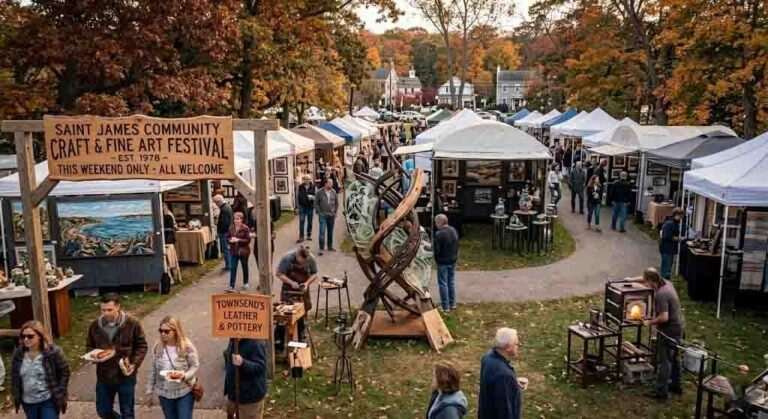
The Three Village Historical Society runs a dedicated Culper SPIES! exhibit at 93 North Country Road, Setauket, NY 11733, and Tri-Spy Tours offers guided tours of the operational sites — including the Roe Tavern marker, the Brewster House, the Woodhull grave, and the Strong family cemetery. It’s as close as you’ll get to walking the actual route.
Taverns were the diner of the Revolution — the place where food, money, information, and trust all moved through the same door. The Culper Ring understood that. It’s why they built their intelligence network around the one structure in Setauket that everybody had a reason to pass through.
You Might Also Like
- Rum Row and the Freeport Bootleggers: Long Island’s Clandestine War on the Water
- The Forgotten Montauk Surfman’s Chowder: Cooking with Seawater at the 1800s Life-Saving Stations
Sources
- Culper Ring — Wikipedia
- Culper Spy Ring — Encyclopaedia Britannica
- Culper Spy Ring — George Washington’s Mount Vernon
- Morton Pennypacker, General Washington’s Spies on Long Island and in New York (1939)
- Alexander Rose, Washington’s Spies: The Story of America’s First Spy Ring (2006)
- Separating Fact from Fiction on George Washington’s Culper Spy Ring — Long Island History Journal
- George Washington and the Culper Spy Ring — Stony Brook University
- Tour Sites — Tri-Spy Tours
- Three Village Historical Society, Setauket, NY