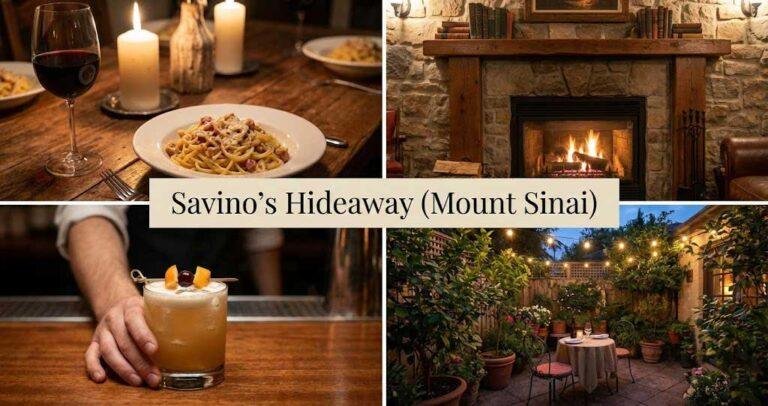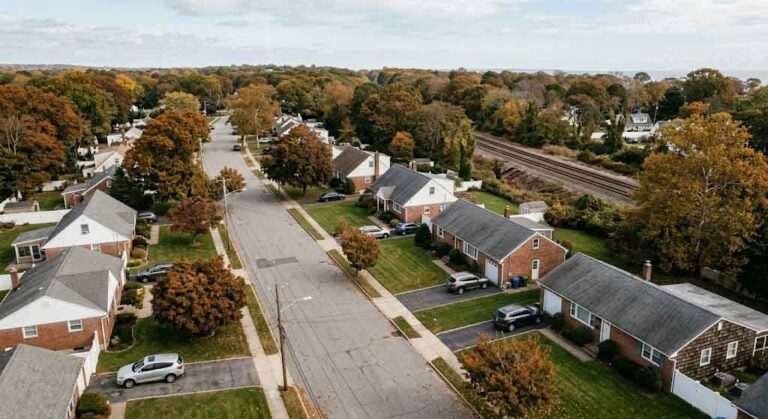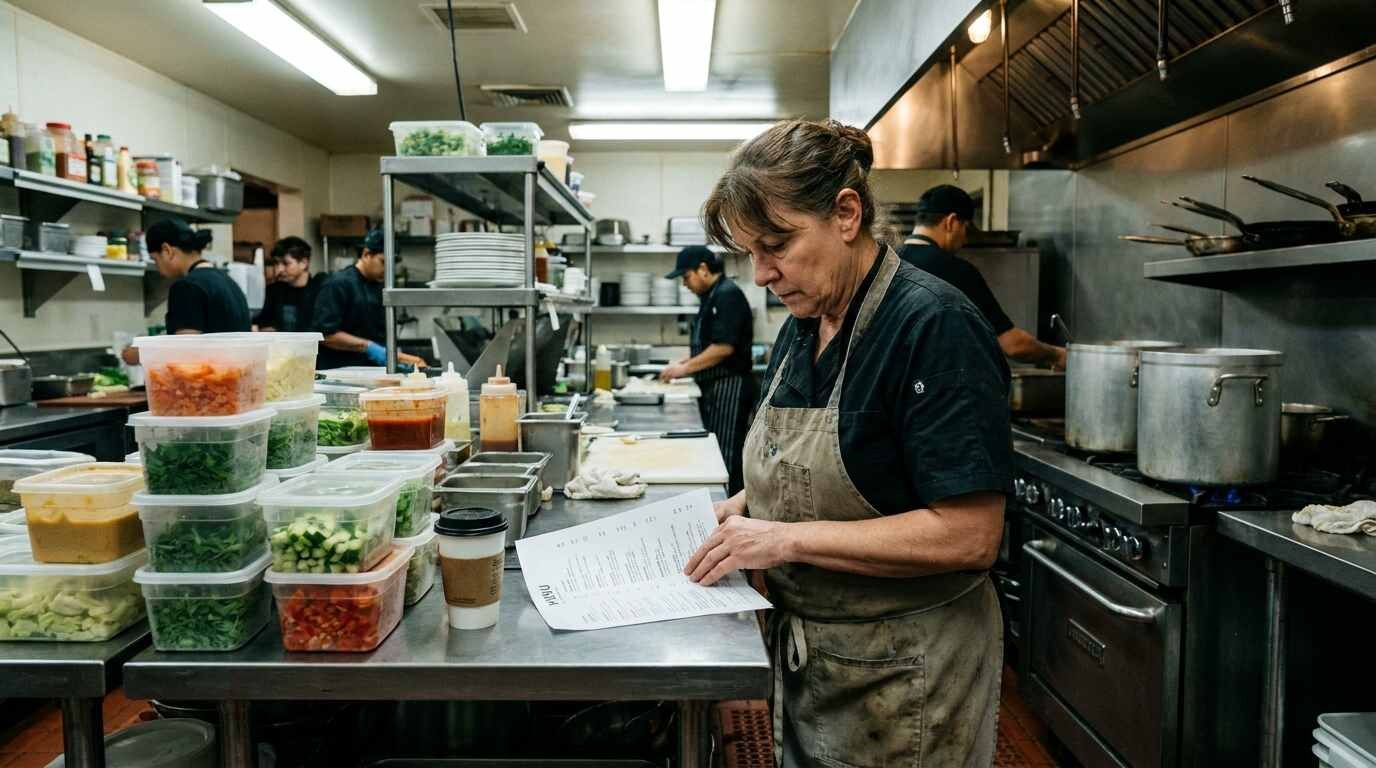
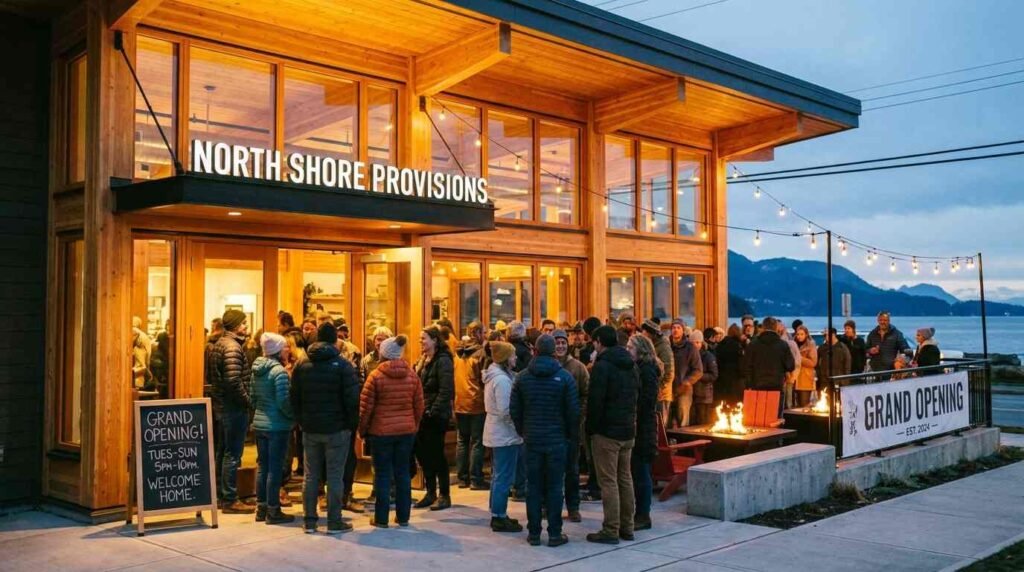
A ribbon gets cut. Instagram fills up with soft-open photos. Six months later, the sign is different.
This is the cycle nobody wants to say out loud. Not the investors who signed the lease. Not the press release that describes the concept. Not the staff who trained for three weeks on a menu that will change twice before Thanksgiving.
I’ve watched this repeat for a quarter century. From behind my own counter in Mount Sinai, and from the corner of the counter at every other place I’ve ever sat down in. You learn to read the signs early. The restaurant opening announcement contains, if you know where to look, most of the information you need to predict whether the place will be there in eighteen months.
The Opening Month Honeymoon Nobody Talks About
The first month is not a real month. This is the hardest thing to explain to someone who has never opened a restaurant, and it’s the thing that trips up the most talented operators.
In the first month, you have a story. The local press covers it — Greater Long Island, Newsday, the Patch. In Smithtown, The Chas. opened this past March inside the old Carrabba’s space on Route 347. A proper steak house — USDA Prime, dry-aged 38 days, raw bar, caviar service. Beautiful room. Good press. The kind of opening that signals real investment. Meanwhile, the Nyholm family — who previously ran Port Bistro and Pub in Port Jefferson — opened Smithtown Bistro and Pub at 65 East Main Street in September. A family operation: parents and sons working the kitchen and the bar together. Legitimate pedigree. Community roots.
Both of those openings have something going for them that many don’t: a real story behind the concept, real people behind the counter. That matters more than the menu.
But the opening month crowds aren’t your customers. They’re your audience. The restaurant industry’s dirty secret is that you don’t actually know how many real customers you have until the third or fourth month, when the novelty has burned off and what’s left is the people who came back because they wanted to.
Most operators mistake the first month for the business. They staff for it. They order for it. They price for it. Then the second month comes, and the truth shows up on the P&L.
What a New Restaurant Gets Wrong Before It Opens
The problem usually isn’t the food. This surprises people. They assume failed restaurants served bad food. Some did. Most didn’t.
The problem is the gap between the restaurant you imagined and the restaurant the neighborhood actually needs.
Someone drives past a location on 25A — say, between Smithtown and St. James — and they see foot traffic, lunch hours, the kind of density that looks like opportunity. They build a concept around that impression. A coastal Italian spot, maybe, or a craft cocktail bar with small plates. They sign the lease on what they think the neighborhood wants.
What they don’t do, often enough, is eat at every place within a five-mile radius for six months before they sign anything. They don’t drive the route at 7 AM on a Tuesday to see who’s actually moving. They don’t sit at the diner counter and listen to what people complain about not being able to find.
The concept comes first. The neighborhood comes second. That’s the order of operations that kills most new restaurants before they ever serve their hundredth cover.
I’ve written about how the Smithtown zoning structure created conditions that kept independent diners alive longer than anywhere else on Long Island — the whole story is here. The operators who survived in that environment weren’t more talented. They were more local. They understood the specific gravitational pull of their specific block. That knowledge is not transferable from one neighborhood to the next.
Why Location on the North Shore Is Only Half the Answer
Real estate people will tell you location is everything. They’re half right. Location determines your traffic, your parking situation, your rent, your competition. It tells you what kind of customer walks past your door. It does not tell you whether that customer will sit down.
The North Shore has some of the most complicated dining real estate on Long Island. You’ve got the Route 25A corridor running through towns with completely different demographics and expectations — Oyster Bay, Cold Spring Harbor, Huntington, Northport, Stony Brook, Port Jefferson. What works in one of those markets can fail completely two exits away. The customer base changes. The income profile changes. The competition changes. The parking changes.
What doesn’t change: the fundamental math. Food cost. Labor. Rent. Waste. Those are the same from Westbury to Wading River. And they are unforgiving.
A new spot in Port Jefferson opening with a summer-heavy model has a built-in challenge: what does the room look like in January, when the ferry traffic dies down and the Stony Brook students are studying for finals? That’s not a reason not to open. It’s a reason to know exactly what your winter number needs to be before you sign a lease that assumes August.
The history of Long Island’s food economy is a history of places that didn’t survive their own first winter — and places that built their whole model around surviving it. I traced some of that in The Egg Cream and the Expressway: how the LIE construction through Dix Hills killed a whole belt of diners by rerouting the traffic patterns those operators had built their businesses on. Nobody told those operators the traffic was leaving. It just left.
The Difference Between a Concept and a Restaurant
Here’s the sentence that separates the ones who make it from the ones who don’t: a concept is what you pitch to investors. A restaurant is what you build for your regulars.
The best openings I’ve watched on the North Shore — over twenty-five years of watching — have one thing in common. The operator can tell you, before they open, who the Wednesday night regular is going to be. Not a demographic. A person. A couple who works late and doesn’t want to cook. A retired guy who eats alone and reads. A family that does Friday nights together and needs the booth in the back.
If you’ve built your concept around a customer archetype from a trend piece in a food magazine, you’re building for someone who doesn’t live on the North Shore. The North Shore has its own rhythms — seasonal, professional, deeply neighborhood-specific. The Huntington wine crowd is not the Northport crowd. The Smithtown lunch traffic is not the Cold Spring Harbor lunch traffic. The tourist season on the North Fork is not transferable to the year-round diner customer in Kings Park.
The Nyholm family understands this. They worked the North Shore for years. They know the room before the room opens. That’s the advantage no amount of design budget or PR spend can replicate. It’s knowledge you earn by showing up every day for a long time.
How Long Before We Know If It’s Going to Make It
Eighteen months. That’s my number.
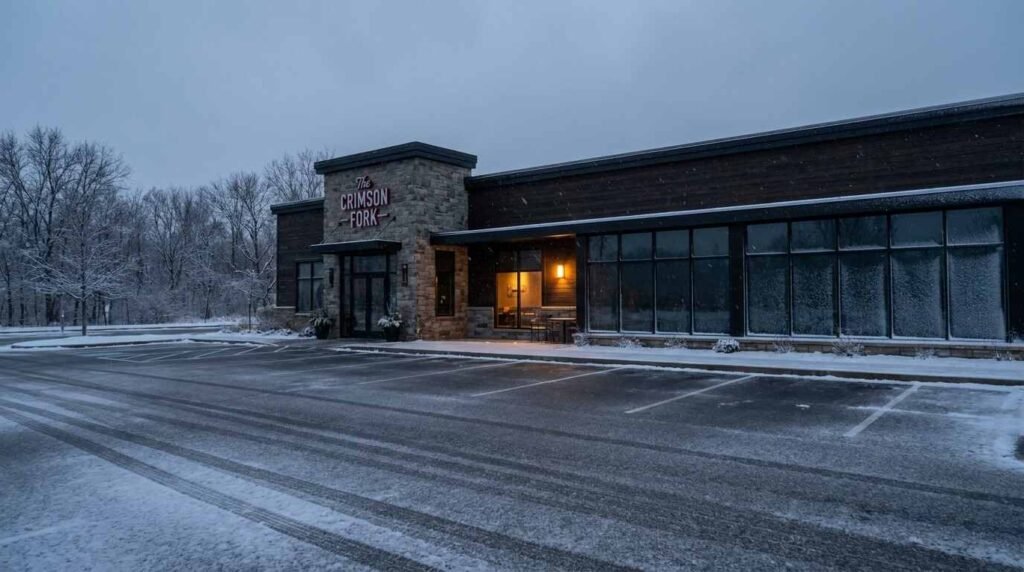
If a new restaurant on the North Shore is still open and operationally honest — meaning not propped up by investor goodwill or ego — at eighteen months, there’s a real business there. You’ve been through two full cycles of the North Shore seasonal calendar. You’ve survived your first real January. You’ve had to reckon with the gap between your projections and your actuals, and you’ve adjusted. That adjustment — or the failure to make it — is the whole story.
The places that make it past eighteen months share a few things. They know their food cost to the decimal. They’ve trimmed the menu to what they can execute consistently with the kitchen they actually have, not the kitchen they imagined. They’ve found their actual customer base — which usually looks different from the one they planned for. And they’ve built something in the neighborhood that functions like infrastructure: a place people can count on to be there.
That’s the measure. Not the Instagram following in month one. Not the Newsday preview. Not the line out the door on a Saturday in May.
The test is: who’s coming back on a Tuesday in February? If the answer is a real group of real regulars — the kind who notice if you change the soup without warning, who bring their kids, who tell their neighbors — you’ve got something. If the answer is nobody in particular, the clock is already running.
I’m rooting for every new opening on the North Shore. Genuinely. More good restaurants means more people eating well, more neighborhoods held together by the gravity of a place worth returning to. The ones that don’t make it don’t fail because they weren’t good. They fail because the business is harder than the concept, and the concept is all most people think about before they open the door.
You Might Also Like: – Why Smithtown Diners Outlived Every Chain That Tried to Replace Them – The Wine Scene Nobody Wrote About: How Huntington Village Became One of Long Island’s Most Serious Wine Destinations – The Invisible Hand That Feeds the North Shore: Greek Immigrant Fishermen and the Seafood Supply Chain Nobody Talks About
Sources
– “The Chas. debuts in Smithtown inside reimagined Carrabba’s space.” Greater Long Island, March 10, 2026. https://greaterlongisland.com/the-chas-debuts-in-smithtown-inside-reimagined-carrabbas-space/ – “Meet the Hauppauge family behind Smithtown’s new restaurant.” Greater Long Island, April 2026. https://greaterlongisland.com/meet-the-hauppauge-family-behind-smithtowns-new-restaurant/ – “Check out all the latest restaurant openings on Long Island.” Greater Long Island. https://greaterlongisland.com/new-restaurants/ – “‘The Diner Industry On Long Island Is Dying’: Owners Talk Evolving Landscape.” Patch — Huntington, NY, May 28, 2025. https://patch.com/new-york/huntington/diner-industry-long-island-dying-owners-changing-landscape