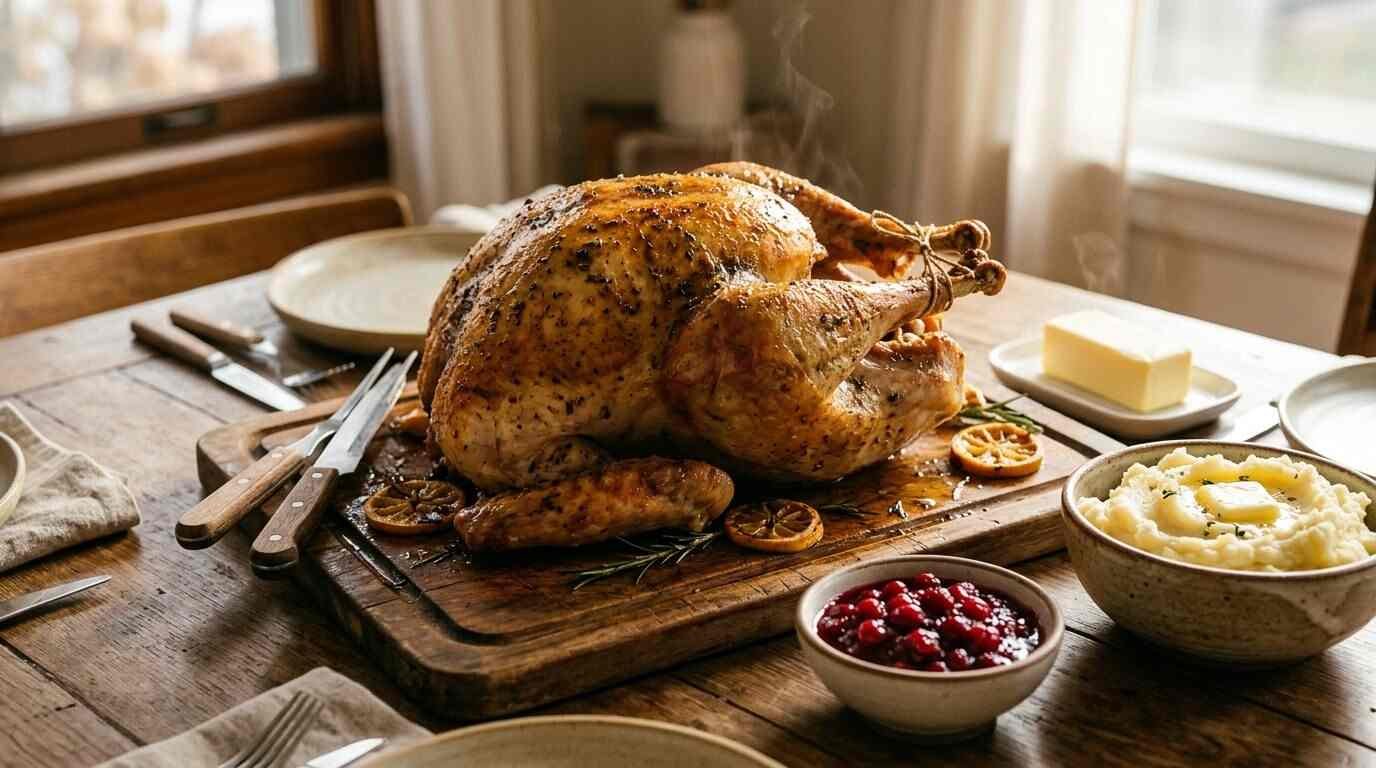
The average Thanksgiving dinner is forecast to cost about $90 this year, up from $88 in 2025, according to a projection from the consulting firm PwC that was released in mid-October. The firm shared the numbers with Good Morning America, and the same report ran across ABC stations the following day, with turkey and cranberries named as the two items pushing the total upward. The increase is small in dollars and uneven underneath: a few ingredients are getting noticeably more expensive, a couple are getting cheaper, and the headline barely moves.
The PwC forecast, item by item
Ali Furman, a consumer markets industry leader at PwC, supplied the figures. “This year Thanksgiving is expected to cost the average American family about $90 versus just $88 last year,” she said, according to the ABC News report written by Yi-Jin Yu.
That is a rise of $2, or roughly 2.3 percent. Turkey is forecast to cost nearly 8 percent more than a year ago, and cranberries nearly 15 percent more. Butter is projected to be down 10 percent and cream down 6 percent, which Furman described as helping to offset some of the increases. The report does not give a price for the individual items, and it does not say how many people the “average American family” in the forecast includes.
The timing matters as well. Thanksgiving was about six weeks away when the forecast came out, and the report tied the higher grocery prices to broader inflation, which it said rose to a four-month high in September. It attributed that to the Iran war continuing to push up gasoline prices. Furman added that “Families are managing their budgets very closely this year.”
Why turkey costs more again
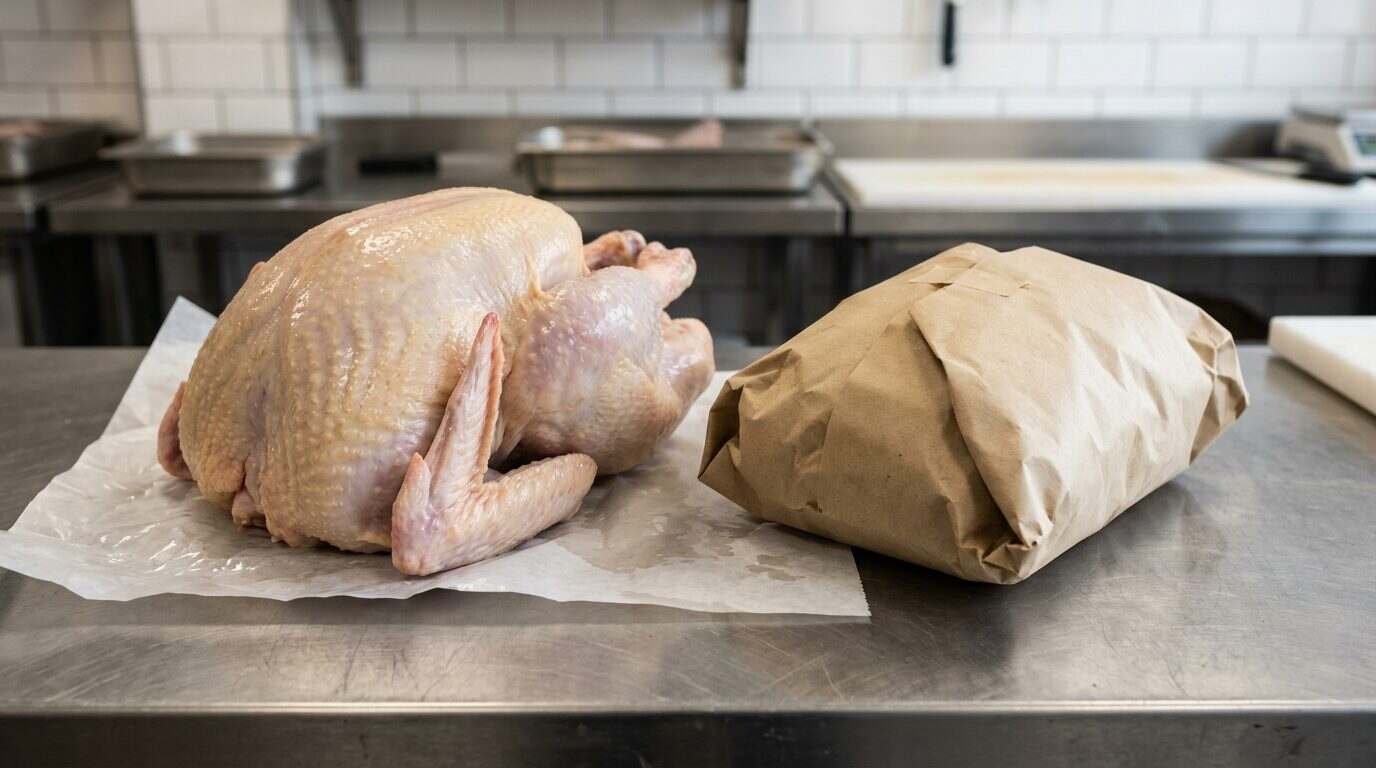
The bird anchors the table and the bill, and its price has swung hard over the past two years. The American Farm Bureau Federation survey of November 2025 found a 16-pound frozen turkey at $21.50, or $1.34 a pound, down 16.3 percent from the year before. That drop arrived while wholesale prices were rising. The Farm Bureau said grocers ran holiday deals to rebuild demand, and that farmers were still recovering from avian influenza. Its economist Faith Parum said at the time: “It’s encouraging to see some relief in the price of turkeys.”
The wholesale side explains why that relief looked fragile. Meatingplace reported in November 2025 that the U.S. Department of Agriculture expected wholesale frozen turkeys to average about $1.31 a pound for 2025, a 40 percent jump from 94 cents a year earlier, after avian influenza resurged in commercial flocks. USDA’s Economic Research Service put the number of turkeys confirmed with the disease from November 2024 to February 2025 at an estimated 3.8 million.
The most recent wholesale readings sit higher. A summary of USDA data for the week of August 10-14, 2026 gave a weighted average of 181 cents a pound for frozen young hen turkeys in the 8-to-16-pound range. The USDA national turkey report of October 15, 2026, as summarized by the same outlet, listed frozen hens at 177 to 195 cents, steady, with light demand and light offerings. Those figures describe a particular product and a particular market, and they are not the same measure as the 2025 average above, so a precise year-over-year wholesale percentage cannot be drawn from them. They are consistent with PwC’s direction, though: a price that is firm and higher than a year ago.
A smaller gap at the register is still possible. Retailers have historically used turkey as a promotional item, and the Farm Bureau’s 2025 finding shows how a discount can pull the shelf price below what wholesale costs suggest.
Cranberries and a conflicting harvest picture
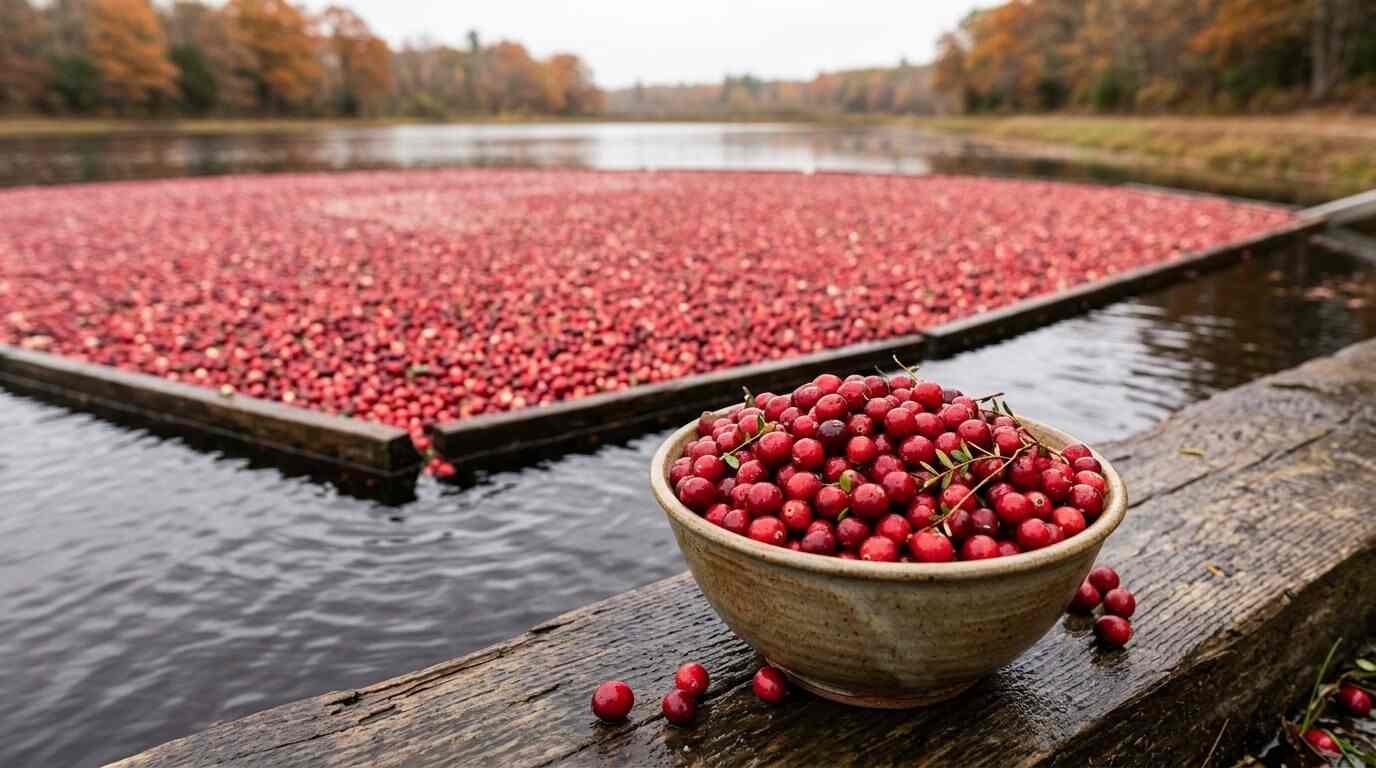
PwC attributes the near-15-percent cranberry increase to a smaller harvest and higher production costs. Other published numbers do not line up neatly with the first half of that explanation. According to a FreshPlaza report dated September 25, 2026, the USDA Economic Research Service’s September outlook puts the 2026 U.S. cranberry crop at 7.87 million barrels, or 787 million pounds, up 5 percent from 2025.
The two statements may describe different things. PwC does not say which growing region, variety or time frame its comment covers, and the national total can rise while particular growers, or particular sizes of fruit, run short. The sources reviewed for this article do not resolve the difference, so the forecast and the crop estimate are best read as separate pieces of evidence rather than one confirming the other.
For scale, the Farm Bureau priced a 12-ounce bag of fresh cranberries at $2.28 in 2025, down 2.8 percent. A 15 percent increase on that single bag would come to roughly 34 cents, an illustration of the arithmetic rather than a reported 2026 price. Cranberries are a small line on the receipt, which is why a large percentage move there does little to the total.
Butter and cream, the two items going down
Dairy supplies the offset in PwC’s projection. Butter is forecast to fall 10 percent and cream 6 percent, and both are heavily used in the dishes that surround the turkey: mashed potatoes, pie dough, whipped topping, gravy enrichments and creamed vegetables.
The Farm Bureau’s 2025 list shows how mixed a single year can be. Whipping cream was up 3.2 percent then, whole milk up 16.3 percent and sweet potatoes up 37 percent, while stuffing mix fell 9 percent and dinner rolls 14.6 percent on low wheat prices. A lower butter price in 2026 would reach a cook making a pie crust or a roux, which are the subjects of earlier Heritage Diner pieces on a small-kitchen Thanksgiving timeline and a lump-free gravy roux.
Why two Thanksgiving price tags disagree
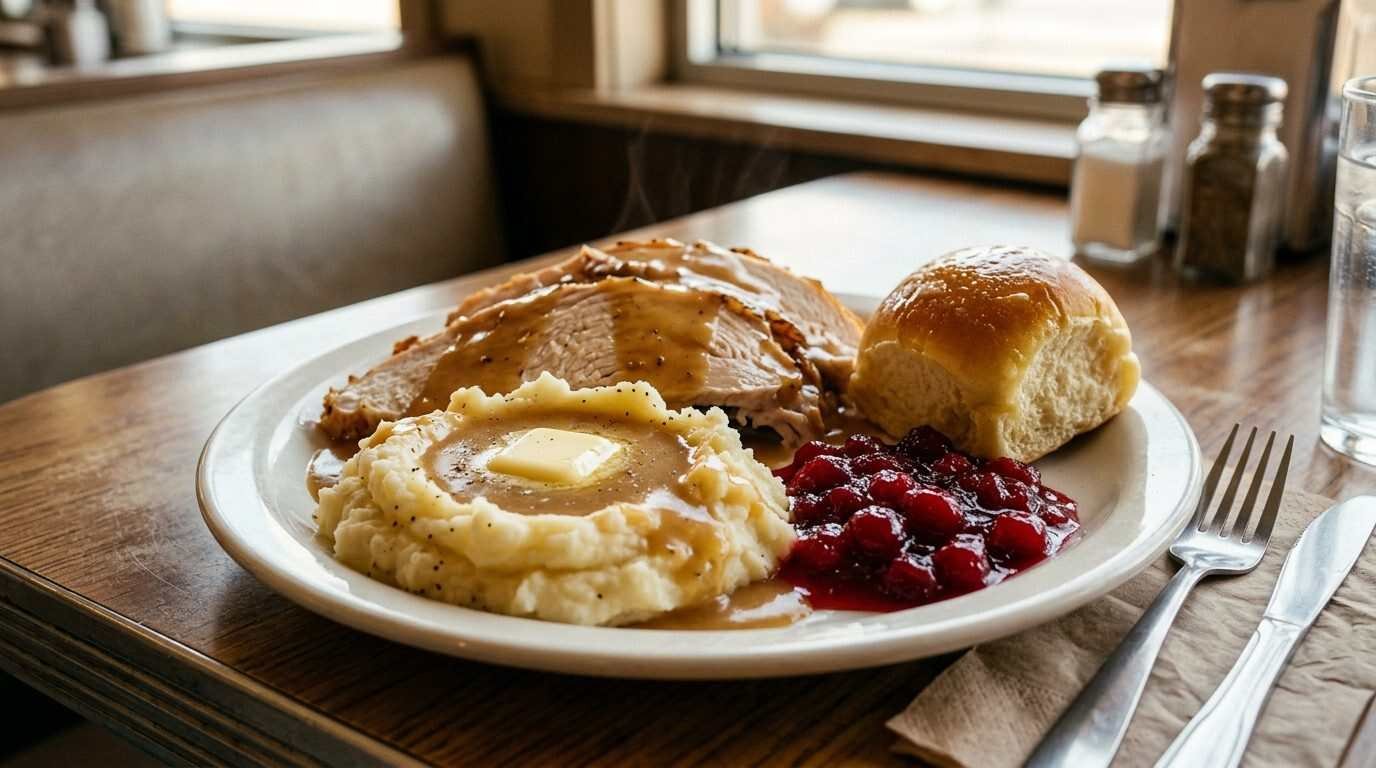
PwC’s $90 and the Farm Bureau’s $55.18 for the 2025 classic meal for ten look incompatible and are not measuring the same basket. The Farm Bureau survey uses volunteer shoppers who check prices in person and online during the first week of November, seek the best available prices and do not use coupons or combined-purchase deals. Its menu has been unchanged since the survey began in 1986, and the organization describes it as informal rather than a scientific sample. The 2025 edition was the 40th, and data came from all 50 states and Puerto Rico.
PwC’s forecast covers a family meal built around its own assumptions, which the published coverage does not list. The useful comparison is therefore each survey against its own history. PwC shows a gain of $2 on $88. The Farm Bureau’s last published reading was a 5 percent decline, the third straight annual drop, from a record $64.05 in 2022. The Farm Bureau’s 2026 edition had not been published when this article was written.
Heritage Diner compared a home-cooked dinner with Long Island restaurant meals in an earlier piece, Two Checks for One Turkey, using the 2025 Farm Bureau figures. The method there applies here: a headline total is a starting point, and the real bill depends on the store, the week of purchase and the guest count.
Where grocery prices stand more broadly
The USDA Economic Research Service Food Price Outlook, updated September 25, 2026, forecasts food-at-home prices up 2.4 percent for 2026 and food-away-from-home prices up 3.5 percent. Retail poultry was 0.5 percent higher in August 2026 than a year earlier, with a forecast of a 1.0 percent increase for the year. The outlook does not break out turkey.
Other proteins look different. Retail beef and veal were 5.9 percent higher in August than a year earlier, and ERS forecasts a 9.4 percent rise for 2026, citing lower federally inspected beef production. Eggs ran the opposite direction: 23 percent lower in August year over year, with a forecast decline of 29.4 percent for the year.
Read against those numbers, a turkey forecast of nearly 8 percent sits above the poultry category average, while the overall Thanksgiving increase of about 2.3 percent sits close to the 2.4 percent grocery forecast. The holiday basket is moving about as the broader grocery bill is moving.
What retailers and shoppers are doing about it
The Good Morning America report noted that more shoppers are using AI tools to compare prices and find discounts, and that experts recommend preparing early and buying shelf-stable essentials when they go on sale. Two retailer offers were cited. Aldi is promoting a Thanksgiving basket for a party of 10, with a 16-pound turkey, side dishes and a pumpkin pie, for under $39. Sam’s Club’s largest Thanksgiving meal deal costs about $160 and feeds up to 16 people, with a charcuterie tray, boneless ham, smoked turkey, mashed potatoes and gravy.
Those offers are promotions, and their contents differ from a traditional spread. They also show the two ways retailers respond to a pricier turkey: a loss-leader basket to bring in traffic, and a large-format bundle that spreads the cost over a bigger crowd.
For a household, the forecast amounts to a few dollars of difference spread across a long shopping list. The decisions that move the total more are the size of the guest list, whether a ham or a second protein joins the turkey, and whether the bird is bought during an early-season sale. The Farm Bureau’s 2025 expanded menu, which added a ham, potatoes and green beans, cost $21.91 more than its classic list.
For informational purposes only; consult a licensed attorney or financial advisor.
Sources
- Good Morning America: Thanksgiving food forecast (Oct 15, 2026)
- ABC7: Thanksgiving food forecast (Oct 16, 2026)
- American Farm Bureau Federation: Cost of Thanksgiving Dinner Declines (Nov 19, 2025)
- USDA ERS Food Price Outlook summary findings (updated Sep 25, 2026)
- FreshPlaza: US cranberry crop forecast (Sep 25, 2026)
- Meatingplace: USDA says HPAI raised wholesale turkey prices by 40% (Nov 2025)
- IndexBox: USDA turkey report Oct 15, 2026
- IndexBox: Turkey wholesale and retail prices August 2026
- Heritage Diner: Two Checks for One Turkey