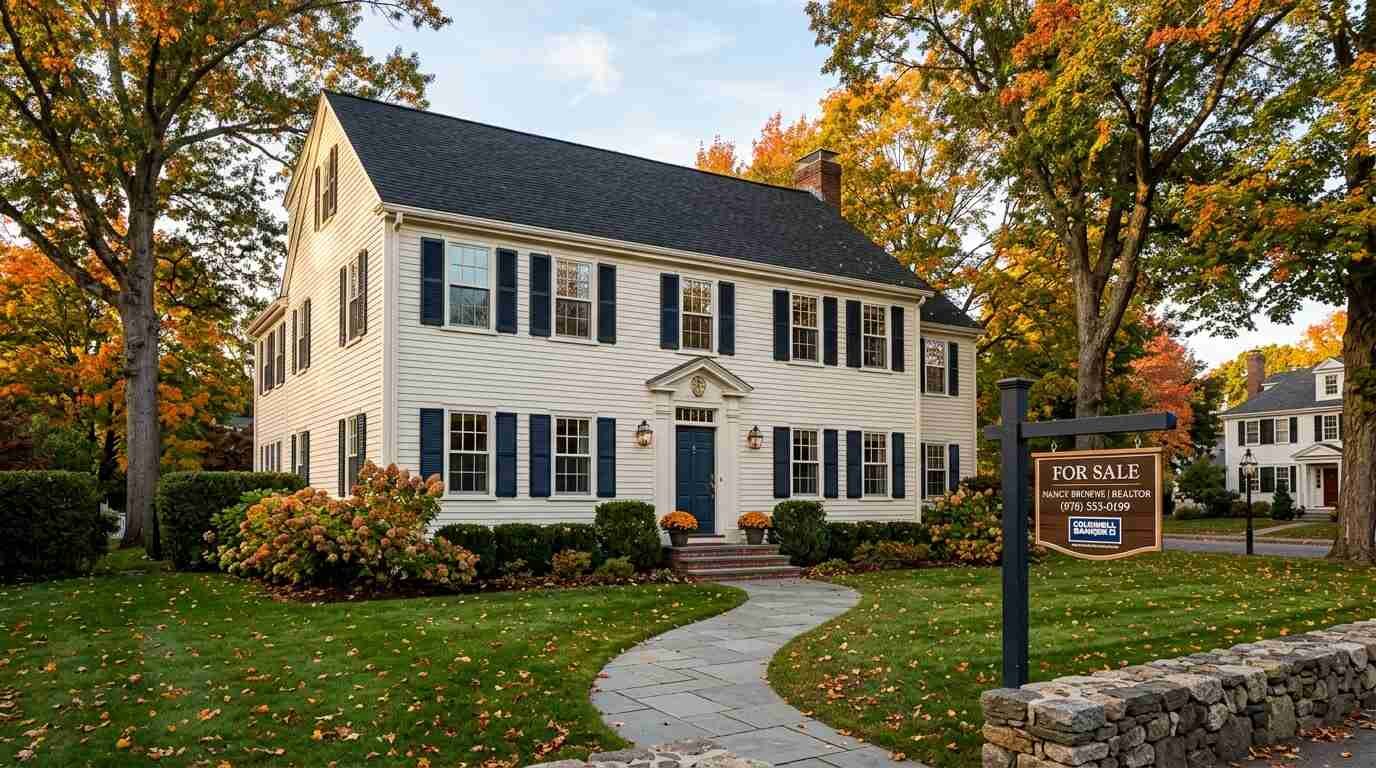
Spring gets all the attention in residential real estate — the blooming yards, the staged open houses, the bidding wars that make the local news. October runs on a quieter logic, and buyers who understand it tend to walk away with meaningfully better terms than the ones competing for the same three listings in April. The reason isn’t mysterious once the seasonal mechanics are laid out, but it’s also a window that shuts fast, generally by the time the holidays arrive and the market goes dormant until the next spring cycle resets.
Fewer Buyers Are Looking, Which Changes Everything Downstream
The foundational fact of fall real estate, confirmed across national market analyses from sources ranging from mortgage lenders to brokerage research teams, is that buyer traffic drops measurably after Labor Day and keeps declining through the rest of the year. Families with school-age children have largely finished their moves by late summer specifically to avoid uprooting kids mid-semester, which pulls a huge share of spring and summer’s buyer pool out of the market entirely by October. Fewer buyers touring the same inventory means less competition for whatever is still listed, and less competition is the single variable that does more to shape a buyer’s leverage than almost anything else in a negotiation.
That reduced competition doesn’t necessarily mean lower prices in absolute terms — a well-located North Shore property in a strong school district can still command a premium in October — but it reliably means fewer bidding wars, more homes selling at or below asking rather than meaningfully above it, and more room for a buyer to negotiate on inspection items, closing costs, or timeline instead of simply writing the highest number and hoping.
Sellers Still on the Market in October Are a Different Population
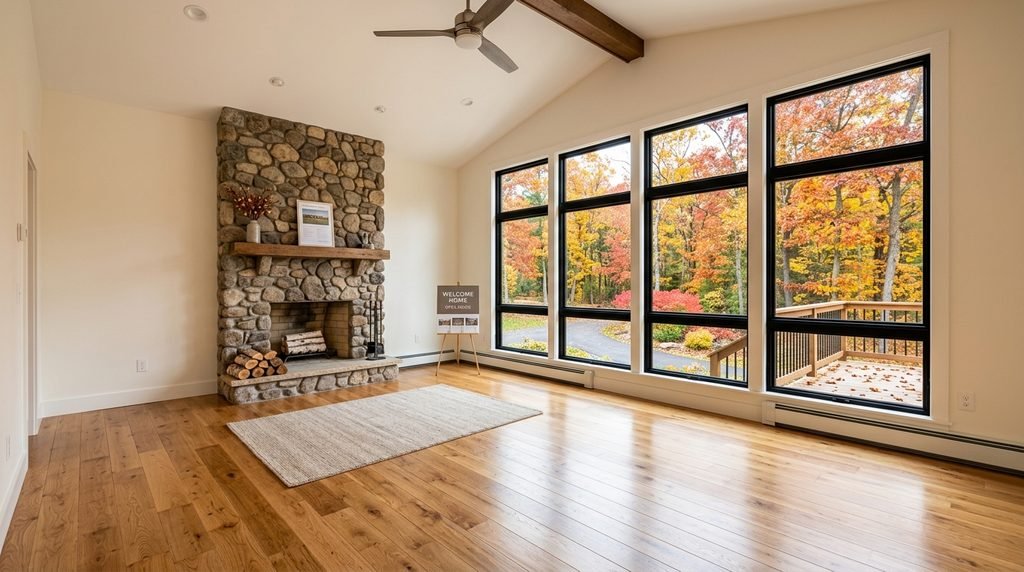
Here’s the part that matters most and gets the least attention: a home still listed in October is, as a matter of simple selection, more likely to belong to a seller with a genuine reason to move before year’s end — a job relocation with a hard start date, a life change, a seller who’s already purchased elsewhere and is carrying two mortgages. Spring’s seller pool includes a large share of people testing the market opportunistically, with no real urgency to accept a specific number by a specific date. Fall’s seller pool is self-selected toward motivation, and motivated sellers negotiate differently than ones who can afford to wait for a better offer next month.
This dynamic compounds through the end of the year. A listing that’s been sitting since a summer debut and is still unsold as Halloween approaches often represents a seller recalculating expectations in real time, aware that pulling the listing and relisting fresh in spring carries its own cost and stigma — a property that’s “been on the market a while” invites buyer skepticism about what might be wrong with it, which gives a patient fall buyer genuine standing to ask for concessions a spring buyer facing five competing offers would never have room to request.
The North Shore’s Specific Calendar
Long Island’s North Shore runs on the same national seasonal pattern with a few local wrinkles worth knowing. School district reputation drives an outsized share of demand here compared to many markets, which means the spring-to-summer rush is particularly concentrated among buyers trying to register children before a specific school year begins — and that same dynamic means the drop-off in that buyer segment after Labor Day is sharper here than in markets where school assignment matters less to the purchase decision. Waterfront and water-adjacent properties, a meaningful share of North Shore inventory, also see seasonal buyer interest tied to the ability to actually experience a property’s main selling point — a dock, a water view, a private beach easement — conditions that are harder to fully appreciate on a gray, bare-tree November showing than on a July one, which can mean genuinely strong waterfront properties sit a bit longer in fall than their quality would suggest, creating a real opportunity for a buyer willing to judge the bones of a house rather than the mood of the walkthrough.
Commuter-driven demand adds another layer specific to this market: buyers relocating for a Manhattan-adjacent job often move on a corporate relocation calendar that doesn’t perfectly track the school year, which keeps a thinner but steadier stream of serious, time-pressured buyers active through fall even as the broader market quiets — a detail boutique North Shore brokerages have increasingly built into how they advise sellers on list timing, with Maison Pawli noting that well-priced properties brought to market in early fall, rather than held for spring, are increasingly landing serious offers faster than conventional wisdom would predict.

The Mortgage Rate Variable Nobody Controls
Fall’s seasonal buyer advantage interacts with mortgage rate conditions in ways that can either amplify or partially offset it, and this is the piece most seasonal-timing advice leaves out entirely. If rates are elevated or rising through the fall months, the reduced-competition advantage of shopping in October can be partially or fully offset by a higher monthly payment on the same loan amount, meaning a buyer should run the actual numbers rather than assuming “fewer competitors” automatically translates to “better deal” in every rate environment. Conversely, a fall buying season that happens to coincide with rate stability or a modest rate dip can compound the seasonal advantage significantly, since the reduced-competition benefit and the financing benefit are additive rather than competing against each other.
This is for informational purposes only — consult a licensed attorney or financial advisor for your specific situation before making decisions based on seasonal timing or rate conditions.
What a Fall Buyer Should Actually Do Differently
The practical version of all this isn’t complicated, but it does require moving against instinct. Touring a property on a cold, overcast October afternoon rather than waiting for a sunnier showing gives a more honest read on a house’s actual bones — drainage issues, heating performance, how a north-facing room really feels without summer light compensating for it — than the same property would offer in June. Asking directly whether a seller has a year-end deadline, rather than assuming motivation, often surfaces real information a buyer’s agent can use at the negotiating table. And treating a long time-on-market not as a red flag by default, but as a prompt to ask why, separates buyers who find genuine value in an overlooked listing from buyers who talk themselves out of good houses because the online listing history looks less exciting than a fresh one.
None of this is a guarantee that fall produces a better outcome than spring for every buyer in every situation — a family with a true back-to-school deadline doesn’t have the luxury of waiting for October’s quieter market regardless of the math. But for a buyer with real flexibility on timing, the North Shore’s fall window rewards exactly the kind of patient, clear-eyed house-hunting that spring’s competitive sprint rarely allows.