Kayem Foods, a Massachusetts meat maker, is recalling about 1.58 million pounds of ready-to-eat meat and poultry after a warehouse cooler failed to hold a steady cold temperature. The USDA’s Food Safety and Inspection Service announced the recall on Saturday, October 17, and no illnesses had been confirmed when it did. Still, the list of products is long and the use-by dates run well into next year, so plenty of it may be sitting in home refrigerators right now.
The reporting comes from outlets that relayed the federal notice, including Fast Company, Scripps News station WPTV and a HealthDay piece republished by Powers Health. The details below are drawn from those accounts, and any figure that differed between them is flagged.
What was recalled
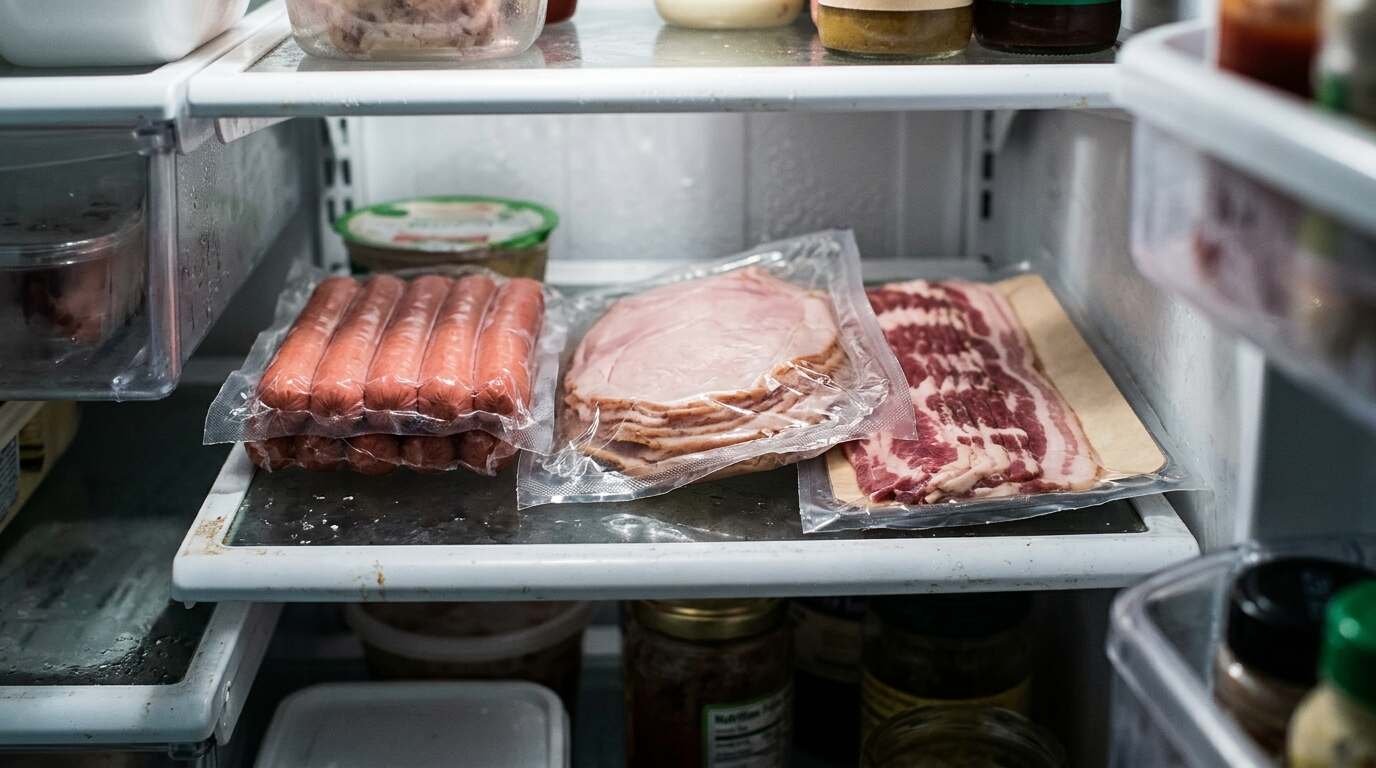
The affected products were made between about March 31 and October 7, 2026, and shipped from warehouses to stores and food-service customers around the country and to Hong Kong. Reports name nine brands: Kayem, Al Fresco, Deutschmacher, Essem, Genoa, Jordan’s, McKenzie, Triple M and Winnisimmet. The range of items is wide. Coverage lists hot dogs, bacon, deli ham and turkey breast, bologna, liverwurst, corned beef, brisket and kielbasa, along with Al Fresco chicken sausages, meatballs and breakfast patties.
Neither the agency nor the company has publicly named the retailers that received the products, and the accounts I read list no specific states. That matters for anyone shopping on the North Shore: you cannot rule out a package in your own cart based on where you live, and the only reliable check is the label.
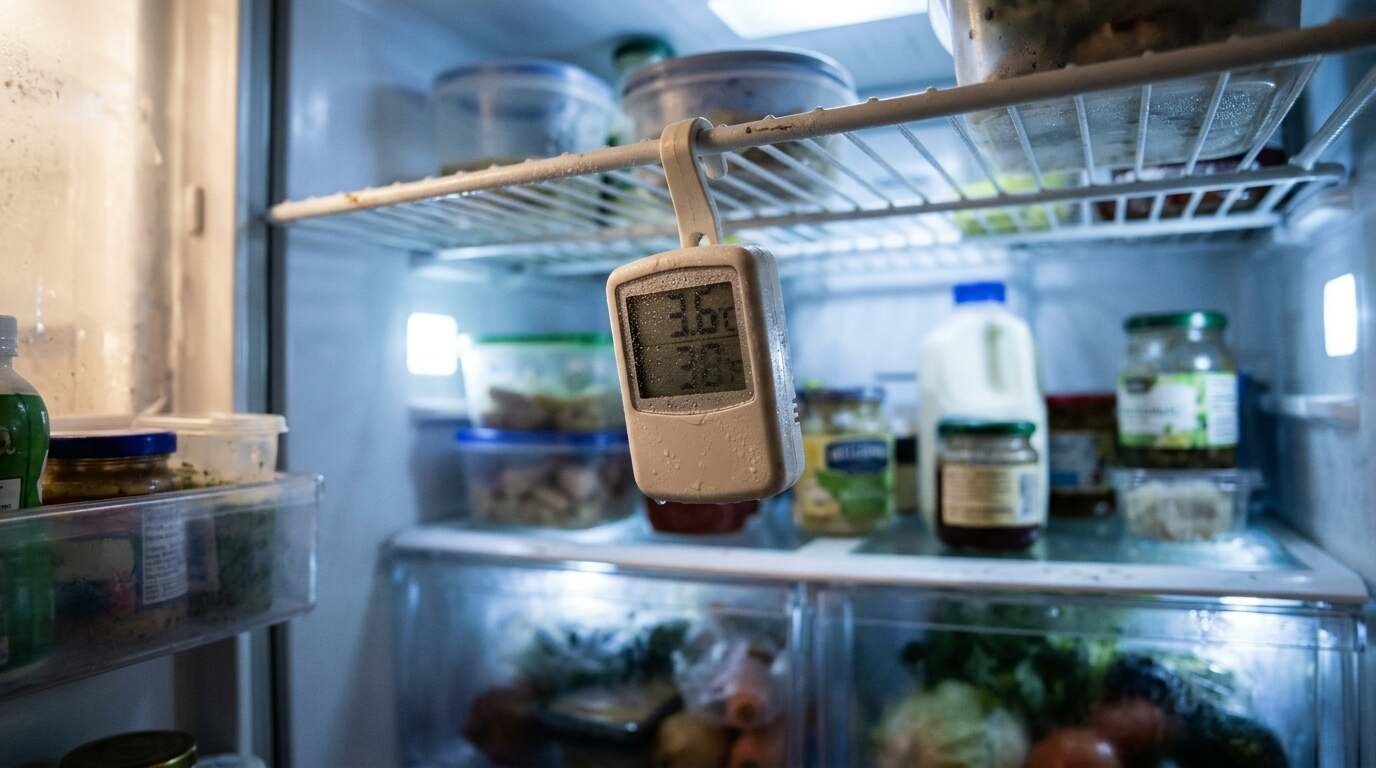
Why a cooler problem becomes a recall
According to the reports, a retail customer said that product arrived warm on October 1. Investigators then found that a warehouse cooler where Kayem kept the meat had been swinging in temperature. Food-safety officials call this temperature abuse: ready-to-eat meat that spends too long above safe refrigeration can let bacteria multiply, even though the food looks and smells normal.
Nobody has said the meat is contaminated. The recall is precautionary, and the company has not tied it to any confirmed case of illness. One of the accounts says the agency classed it as Class I, its highest-risk category. I could not open the agency’s own notice to confirm the classification, so treat that detail as reported by one outlet.
How to check your refrigerator
The recalled packages carry the USDA mark of inspection with one of three establishment numbers printed inside it: EST. M/P 7839, EST. P 20935A or EST. M 9520. Find that oval mark on the label or the package seal, then compare the number. The agency has posted a full product list with UPC codes, lot numbers and label images, and that list is the final word on whether a particular package is covered.
- Look at hot dogs, bacon, lunch meat, sausages and meatballs from the nine brands above, including anything frozen from a past shopping trip.
- Match the establishment number inside the USDA mark against the three listed above.
- If a package matches, do not eat it. The advice in all three reports is to throw it away or return it to the store where you bought it.
- For questions, Kayem customer service lists 800-426-6100 on weekdays from 7:30 a.m. to 4 p.m. Eastern, and info@kayem.com.
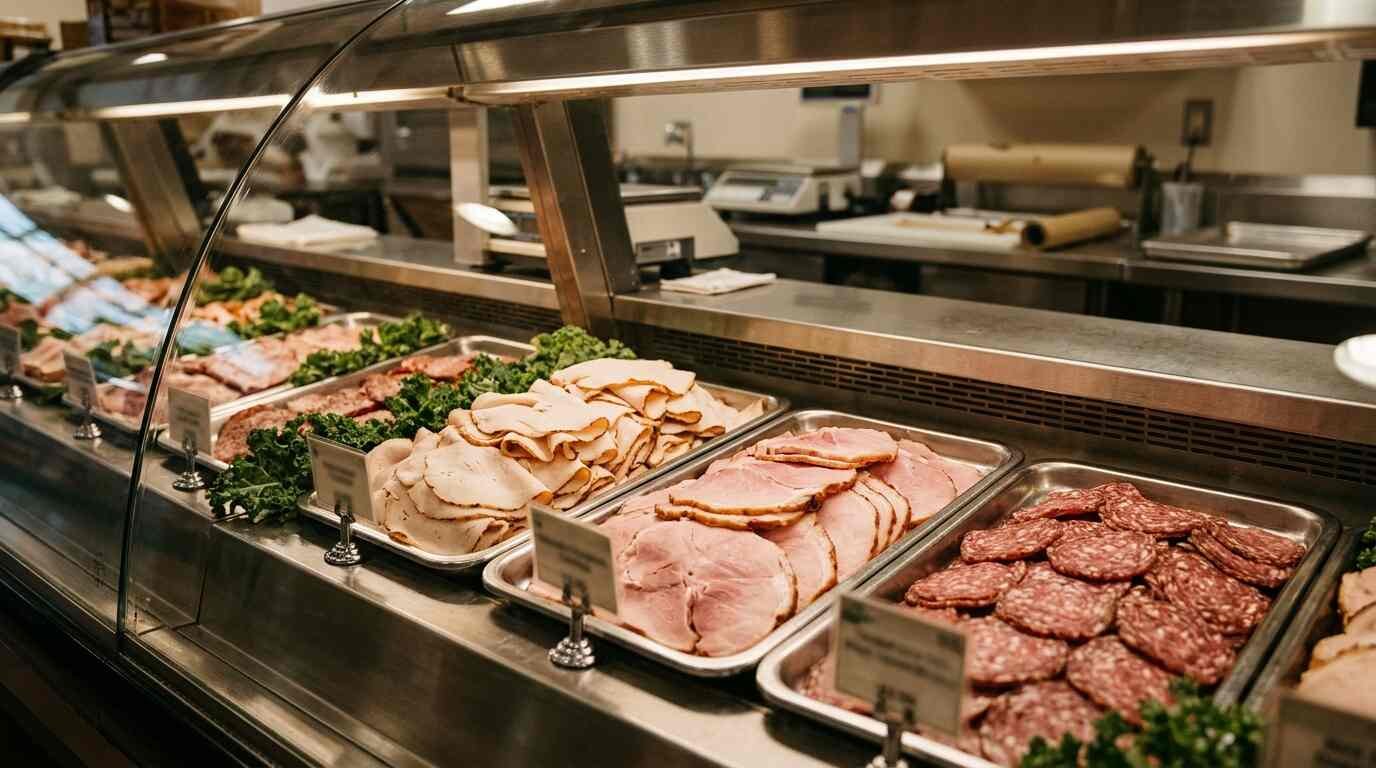
What it means for diner kitchens and home cooks
A recall like this reaches past the grocery aisle. The notice covers shipments to food-service locations, which means the product could have gone to institutional kitchens, delis and restaurants as well as stores. Diners that buy bacon, ham, corned beef and sausage by the case are the kind of operation that should check invoices and walk-in coolers against the list. It is a ten-minute job that is far cheaper than a pulled menu item.
For home cooks, the practical lesson is the old one. Cold storage is a system, not a feature of the package. Keep the refrigerator at or below 40 degrees Fahrenheit, put lunch meat and bacon on a shelf rather than the door, and use opened packages within the window printed on the label. A cheap appliance thermometer will tell you more than your nose.
There is also a pantry angle. Corned beef, bacon and sausage are the backbone of a weekend breakfast plate, and many people stock up before the holidays. Recalls tend to land just as stores are heavy with these items, so a quick look at what you already own, before the next shopping trip, can save you from doubling up on something you will have to throw out.

What is still unknown
Several details were missing from the accounts I read: which stores received the product, how many packages are still unsold, and whether any consumer has been harmed. The size of the recall also varies by headline. Fast Company and the agency-based reports give about 1.58 million pounds, while one republished piece carried a headline reading 16 million that conflicts with its own body text, which says 1.6 million. I have used the lower figure, which is consistent across three accounts.
If the agency updates the list, the product catalog could grow or shrink. Check the agency’s recall page for the current version before you decide what stays in the refrigerator. This post is general information, not medical advice. If you think you have become ill after eating a recalled product, contact a health care provider.
Sources
- Fast Company, report on the Kayem Foods recall, published October 19, 2026 (fastcompany.com).
- WPTV / Scripps News, “More than 1.5 million pounds of ready-to-eat meat recalled nationwide,” October 19, 2026 (wptv.com).
- HealthDay, republished by Powers Health, October 19, 2026 (powershealth.org). The underlying USDA FSIS announcement was cited there; I could not open it directly.