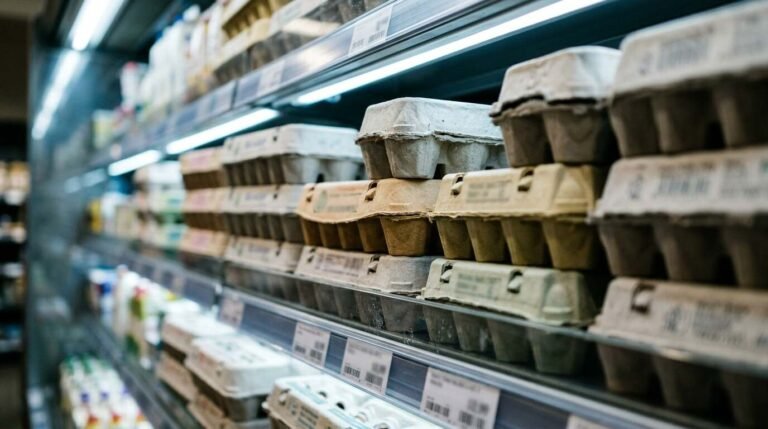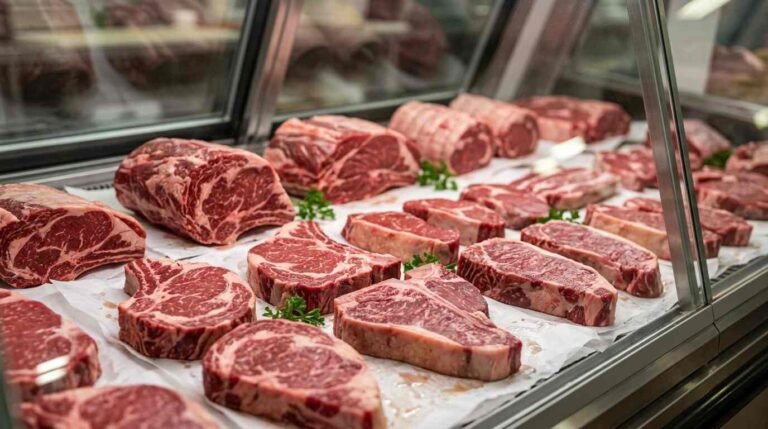
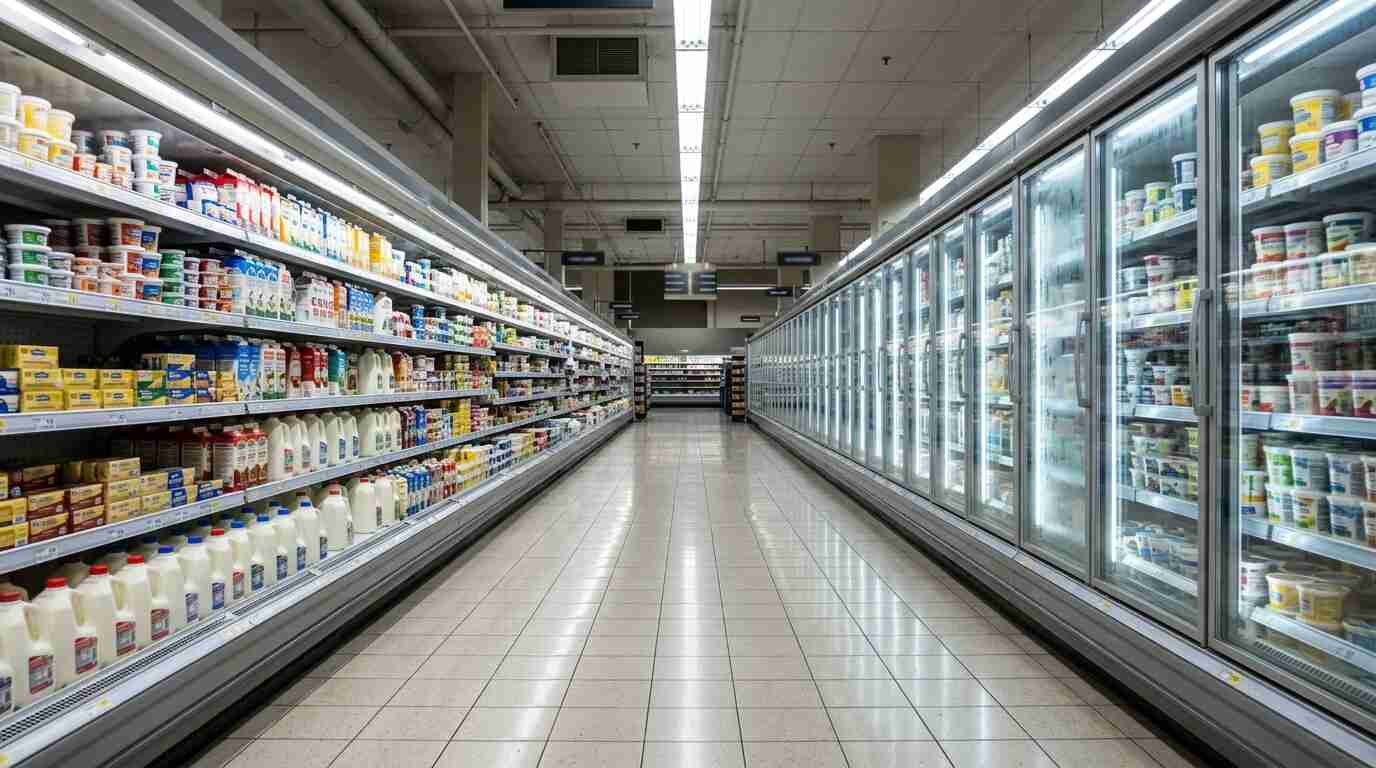
A cyberattack that reached into the cold cases of French supermarkets is the kind of story that sounds distant until you notice who else was dealing with a security problem the same week. The Associated Press reported Tuesday, in a story carried by PBS NewsHour, that attacks disrupted refrigeration systems at hundreds of French stores and forced a major grocer to shut down websites serving customers in Europe and the United States. That grocer’s American banners include Stop & Shop, a name familiar on the North Shore.
Before going further, one distinction matters. The AP’s account describes two things in the same story: refrigeration failures at French stores, and a security issue at Ahold Delhaize, the Dutch parent of Stop & Shop. The reporting I read does not say the two are connected, and I am not claiming they are.
What the AP reported from France
France’s finance minister, Roland Lescure, told Parliament on Tuesday that about 700 of the country’s 10,000 supermarkets were affected, according to the AP. He said food supplies were not at risk but that the attack touches the heart of the country’s food security. The Paris prosecutor’s cybercrime unit is investigating, including damage from spoiled food and reports of fires.
Groupement Mousquetaires, which operates more than 4,000 stores across Europe, said 300 Intermarché and Netto stores were affected, and some refrigerated and frozen display cases were still out of service Tuesday. Cooperative U’s chief executive, Dominique Schelcher, said 80 of its 2,000 stores were hit; most avoided refrigeration problems, though some had to discard food. Carrefour and Monoprix were also affected, per the AP.
The weak spot: older equipment
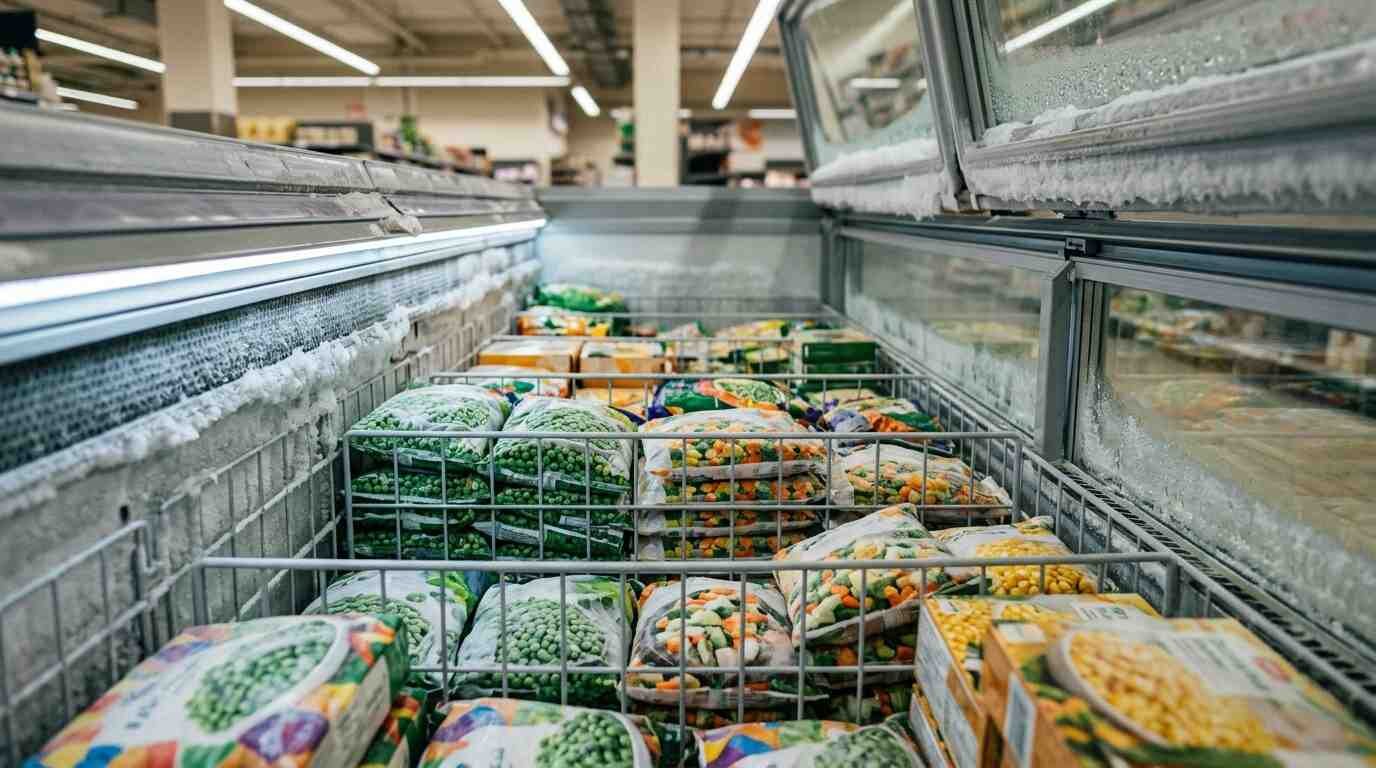
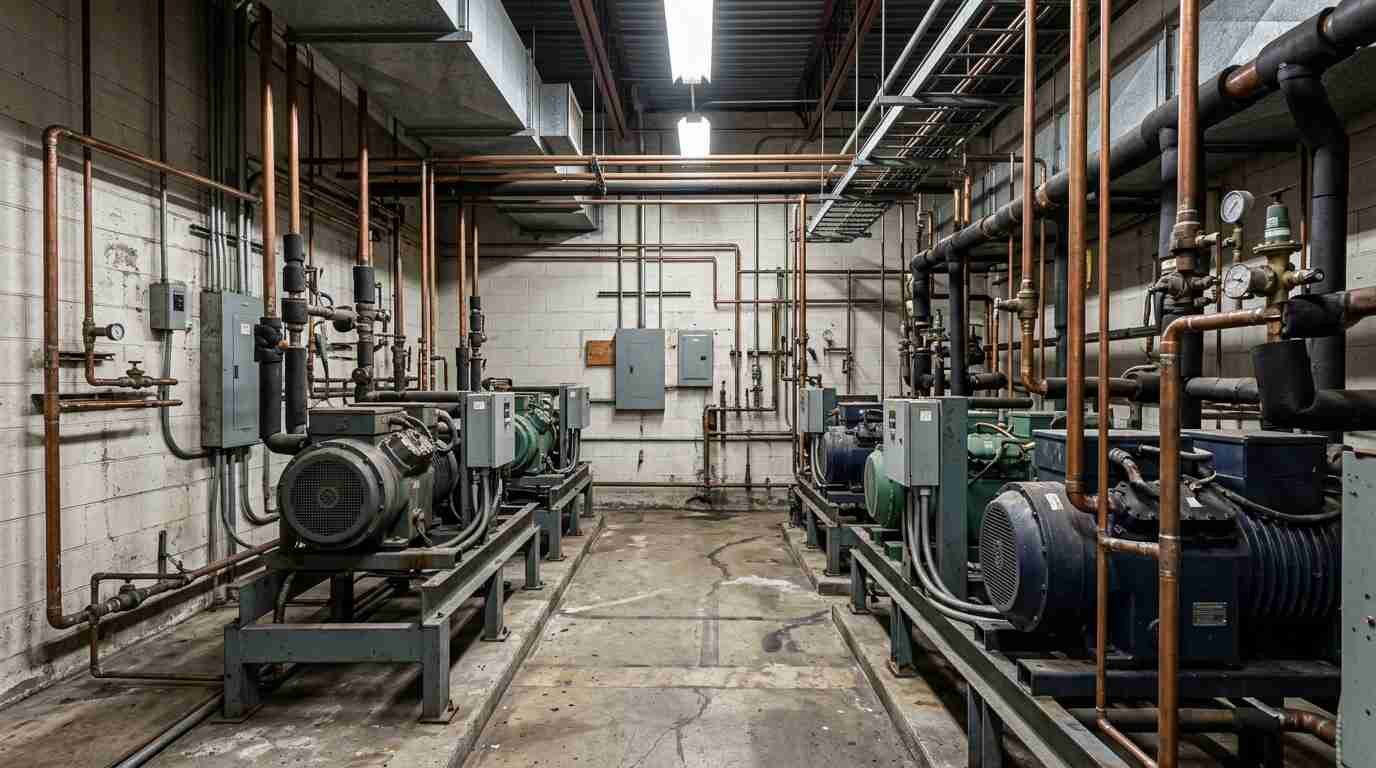
The refrigeration management software came from the Danish company Danfoss. It said Monday that most of the affected systems were older products that no longer receive software or security updates, the AP reported. That detail is the practical heart of the story. A compressor room is built to last decades, and the control software attached to it can outlive the support its maker provides. When a store’s cold chain runs through a controller that nobody patches, it becomes a computer problem hiding in a refrigeration problem.
This is not unique to grocers. Any restaurant kitchen with a walk-in cooler, a reach-in line and a networked temperature monitor has the same basic structure: a mechanical system that has quietly picked up an internet connection.
Stop & Shop and the parent company’s outage
Ahold Delhaize, which also operates Albert Heijn in the Netherlands, Delhaize in Belgium and Food Lion, shut down systems after a security issue and was working to restore them, the AP said. Websites for Stop & Shop, Food Lion and Albert Heijn were still offline Tuesday, though stores stayed open. The company said it had no evidence that customer or employee data was stolen.
NBC 10 in Rhode Island, reporting on Monday, Oct. 12, said the Stop & Shop app and website had gone offline, and that shoppers who rely on digital coupons and gas rewards could not reach them. Pharmacies and fuel stations stayed open during normal hours, and customers could still order groceries for delivery through Instacart, DoorDash and Uber Eats. The company had not given a cause or a timeline for restoration at that point. I could not confirm from the reports I read whether services are fully back, so check the Stop & Shop site or app before you plan a pickup order.

What it means at home and at the counter
Nothing in these reports describes a food-safety problem at any North Shore store, and nothing says shoppers here should change what they buy. A few practical points still follow from what was reported:
- Check the app before you drive. If you use digital coupons or fuel rewards, expect them to be unavailable until the site is restored, and carry a paper list.
- Look at your own cold chain. A fridge thermometer costs a few dollars. Federal food-safety guidance generally calls for keeping refrigerated food at or below 40 degrees Fahrenheit; the USDA’s site has current details.
- Ask your local diner or market how it monitors temperatures. Most will tell you; the answer is usually a mix of a manual log and an alarm.
For more on how grocery and restaurant costs have moved this fall, see Menus Are Rising Nearly Twice as Fast as Grocery Bills and Restaurant and Bar Sales Rose 1.1% in September.
The larger lesson is the one the AP story keeps circling: the cold chain that keeps groceries and diner ingredients safe now depends on software, and software ages. Investigators in Paris will say more about what happened. For now, the reporting establishes disruption and cleanup, not a full explanation.
Sources
- AP via PBS NewsHour, Cyberattacks disrupt refrigeration systems at European supermarkets (Oct. 13, 2026)
- NBC 10 (WJAR), Stop & Shop website, app down as parent company addresses cybersecurity incident (Oct. 12, 2026)