Wholesale food prices jumped 1.2% from August to September, according to Associated Press reporting on the Labor Department’s latest producer price report. The monthly gain landed alongside a much bigger story in the same release: overall wholesale prices rose 1.3% in the month, the largest one-month increase since March 2022, and 6.3% over the past year, the fastest annual pace since December 2022.
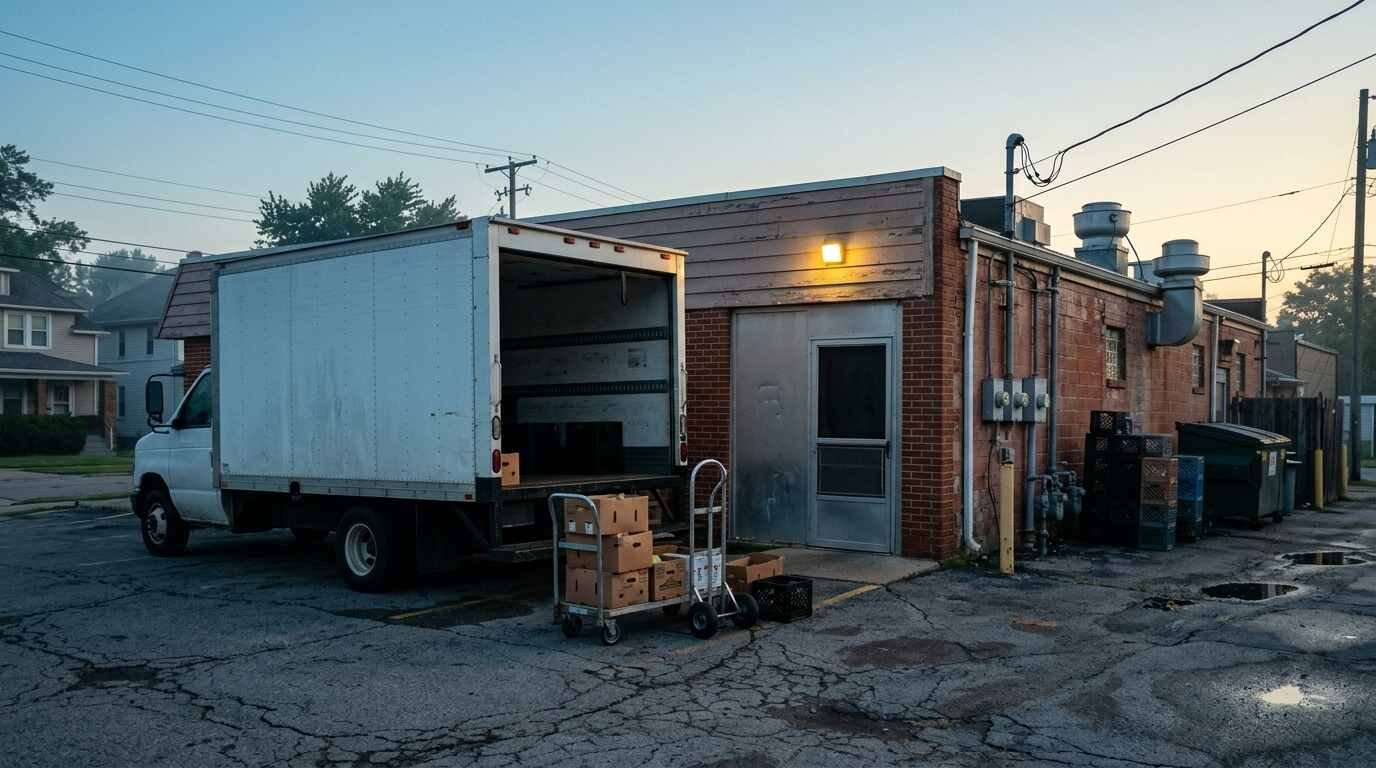
For a diner, the food line is the one to read closely. Eggs, onions, potatoes, coffee and bacon do not reach the flat-top on their own. They ride on diesel trucks, sit in warehouses, and move through a chain where every link has just gotten more expensive.
What the September numbers show
The AP report, republished by PBS NewsHour, puts the headline figures in context. Producer prices measure what businesses receive for goods and services before they reach shoppers, so they often serve as an early read on pressure that later shows up on shelves and menus. The Bureau of Labor Statistics release, published Thursday, October 15, confirms the 1.3% monthly jump and the 6.3% annual rate, and lists the final-demand foods index up 1.2% for September.
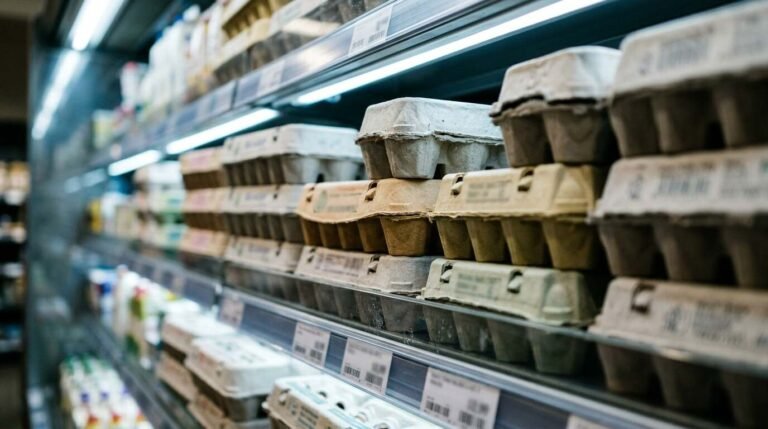
Two details complicate the picture. First, AP notes that wholesale food prices were unchanged from a year earlier, so the September increase is a one-month move and not yet a year-long climb. Second, the BLS food breakdown shows chicken egg prices falling 39.7%, which cushions the index even as fresh and dry vegetables rose. A single month’s food index can hide big swings in individual items.
Why diesel reaches the breakfast plate
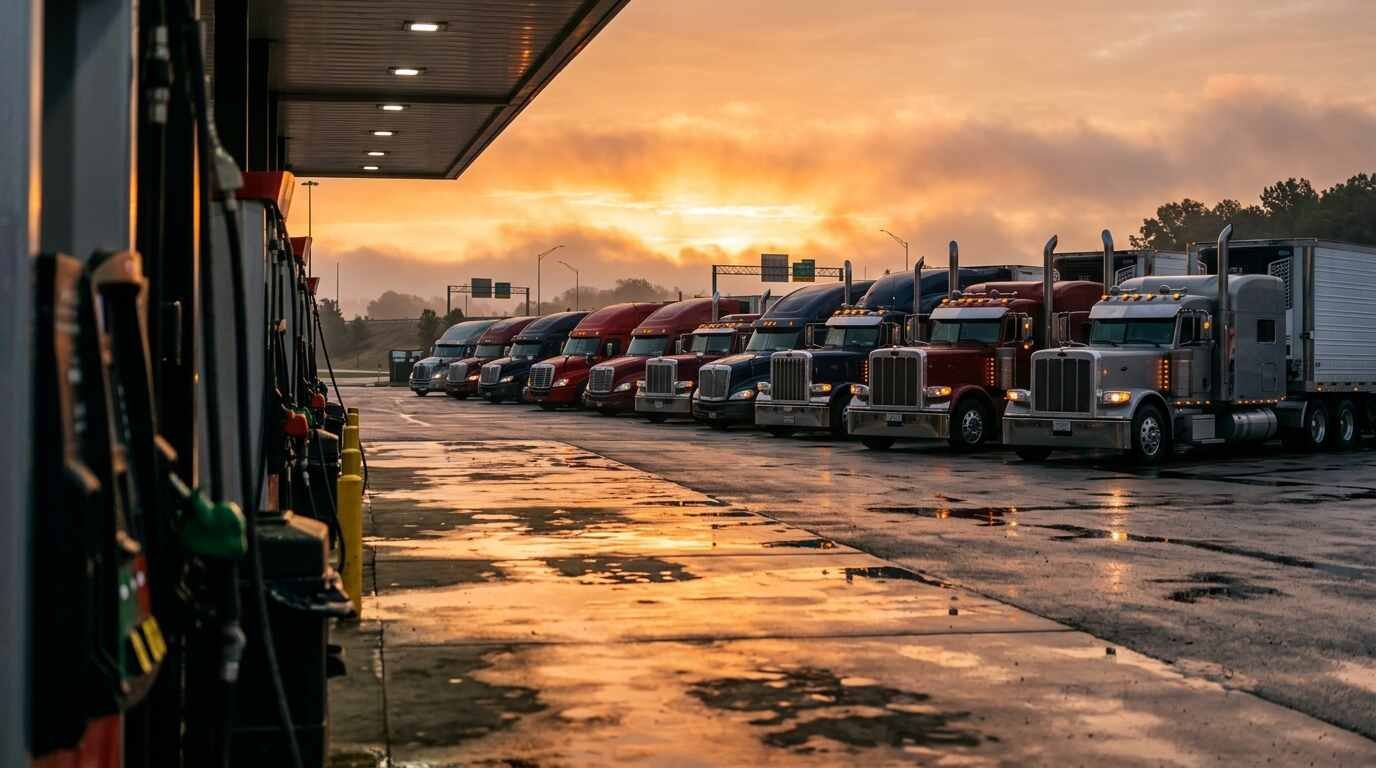
The driver behind the jump is fuel. AP, citing AAA, reports the national average for diesel at $6.32 a gallon on Thursday, up from $3.66 a year earlier. The BLS release shows wholesale gasoline up 20.3% in September and final-demand energy up 10.8%, with processed diesel fuel up 21.0% at the intermediate stage.
Those fuel costs show up in the price of moving things. AP reports transportation and warehousing prices rose 3.4% in September and are 16% higher than a year ago. Carl Weinberg, chief economist at High Frequency Economics, told AP that the jump in transportation prices “affects every good in the economy.” Farms feel it too: AP notes that farmers depend on diesel for most of their equipment, which could push food prices higher in coming months.
A separate AP week-ahead report from October 17 adds that higher diesel costs are lifting shipping and warehousing expenses for food, and that September retail sales were up 0.8% but only 0.2% when gas stations are excluded. In plain terms, a good share of the extra money Americans spent went to fuel and not to more groceries or meals.
Wholesale is not the menu
It would be a mistake to read a 1.2% wholesale jump as a 1.2% menu increase. Wholesale indexes cover a broad basket, and restaurants buy a specific one that leans on proteins, dairy, produce, cooking oil and paper goods. Restaurants also tend to absorb cost increases for a while before they reprint a menu, because a visible price change is a decision customers notice immediately.
That timing is why recent diner-pricing stories and this one belong together. Earlier this month we covered how menu prices have been rising faster than grocery bills, and what the consumer price report showed for eating out. Producer prices sit one step earlier in the chain. If the fuel-driven pressure in this report persists, it is the kind of cost that can show up later in specials, portion choices and, eventually, printed prices.
What it means for a diner regular
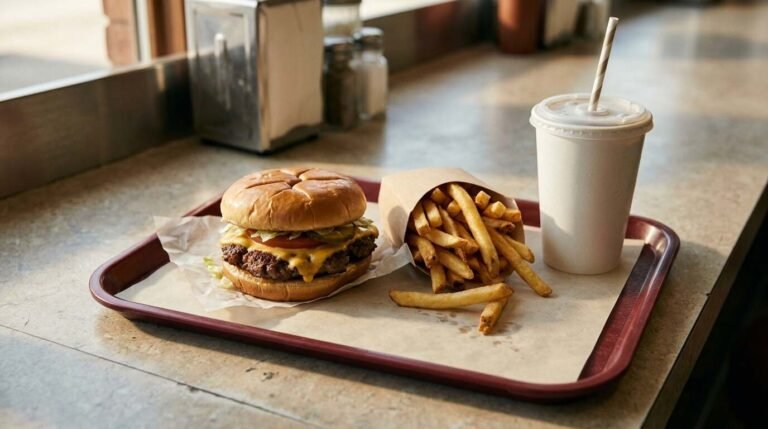
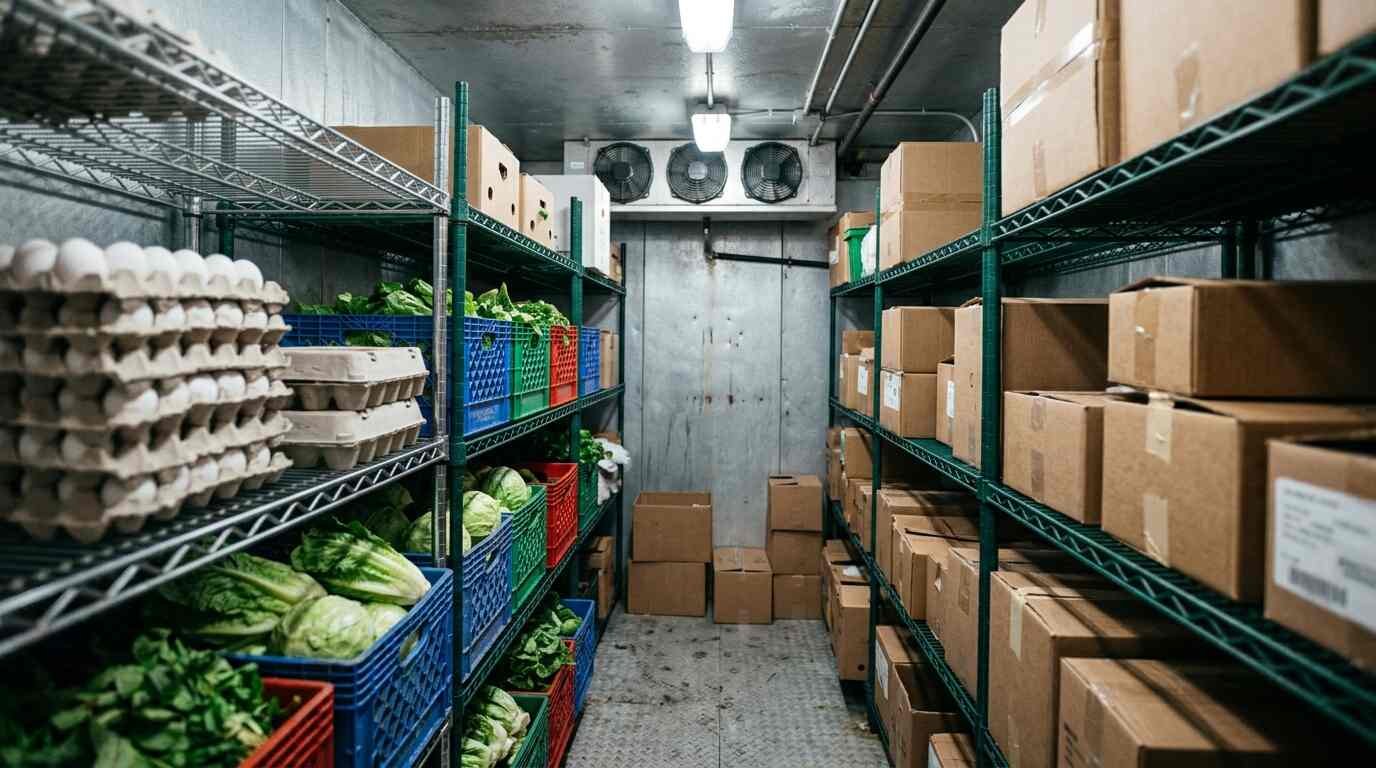
Nothing changes at the counter tomorrow. The practical effects, if they come, tend to arrive quietly. A special swaps a pricier cut for a cheaper one. A side dish gets a little smaller. A delivery fee or surcharge appears on a supplier invoice before a menu line moves. A longer-running diner with strong supplier relationships may hold prices longer than a newer place with thinner margins, though no report can tell you which is which.
Shoppers have a few low-effort habits that blunt the effect at home. Lean on in-season vegetables, which the BLS data suggests are where wholesale pressure was showing in September. Notice that eggs, at least in this release, moved the other way. And watch the unit price on a shelf label and not the package size, since shrinking packages are a common way costs reach shoppers.

What to watch next
The October producer price report is scheduled for November 13, according to the BLS. Until then, the diesel price is the number to keep an eye on, because it feeds the cost of nearly everything that arrives at a restaurant’s back door. AP also reports that economists are watching whether the Federal Reserve holds rates when it meets in two weeks, with some now expecting a hike, though that is a macroeconomic question well outside the kitchen.
One caution on reading all of this: a one-month move is not a trend, and wholesale food prices were flat compared with a year ago. The honest summary is that the pressure is real, the fuel link is well documented, and the pass-through to menus is not guaranteed. This post is general news context and not financial advice.
Sources
- Associated Press (Christopher Rugaber), “Wholesale inflation hits levels not seen since 2022,” AP via PBS NewsHour, October 15, 2026 – pbs.org
- U.S. Bureau of Labor Statistics, Producer Price Index news release, October 15, 2026 – bls.gov
- Associated Press (Damian J. Troise), week-ahead report on earnings, homebuilding and consumer mood, October 17, 2026, AP via WRAL – wral.com