A pound of ground beef cost $6.79 in September, a dozen eggs averaged $2.27, and coffee was 44% more expensive than two years earlier. Those figures come from a reporting piece published by NPR on October 20, which walks through five grocery items to show why the cost of food has refused to move in one direction. For anyone who runs a griddle, or eats off one, the list reads like a diner menu: burgers, eggs, coffee, buttered toast and a cookie on the side.
The NPR story, written by Joe Hernandez, leans on Bureau of Labor Statistics price data and on interviews with people in the food business. This article summarizes its findings in our own words and adds context for diner readers. Where a number comes from NPR’s reporting, we say so, and we have not independently re-pulled the underlying government series.
Beef: $6.79 a pound and still climbing
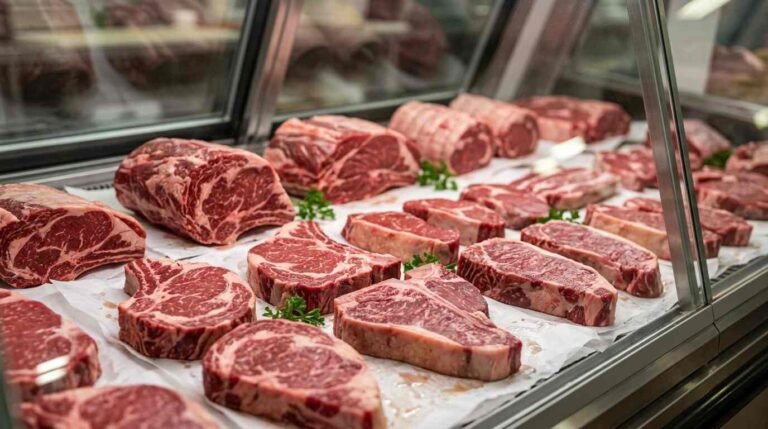
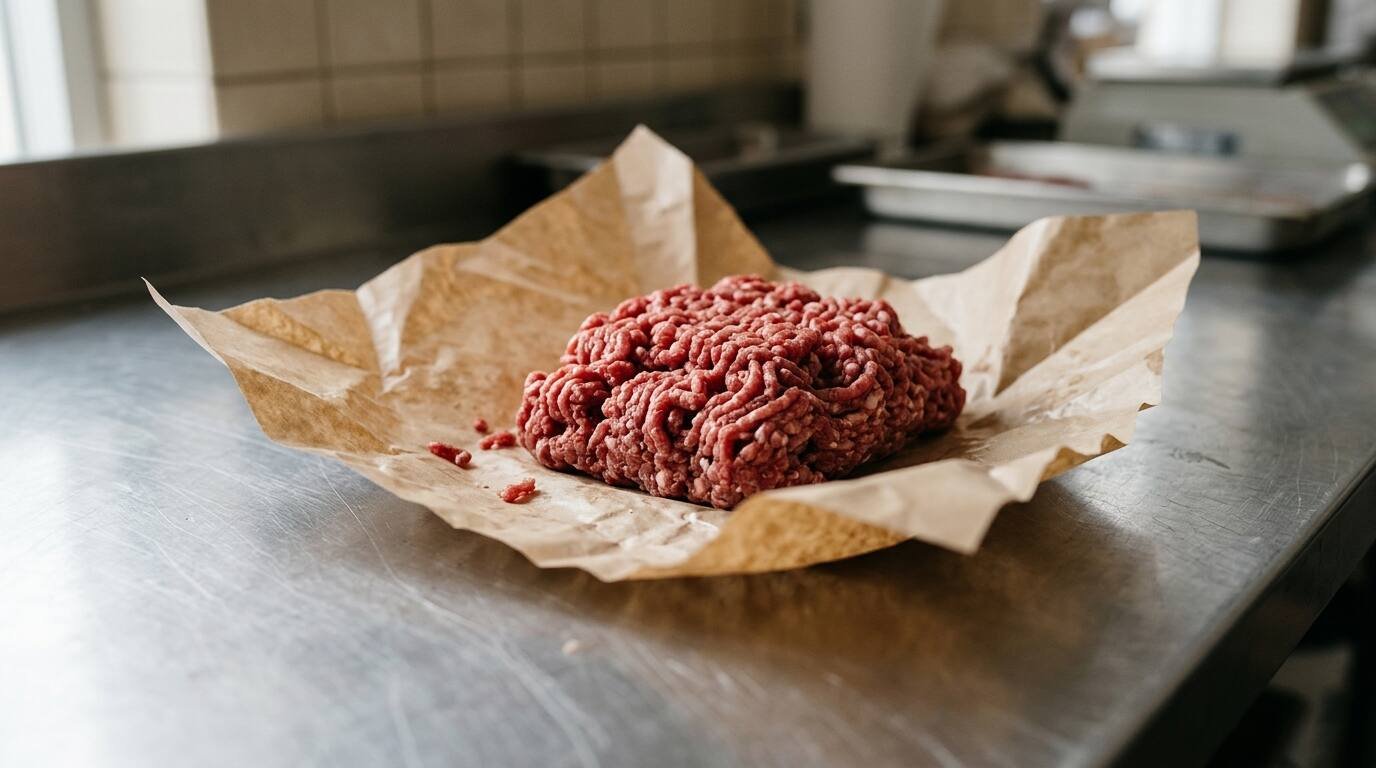
Ground beef is the clearest case of a price that has run away. NPR reports that the typical pound cost $6.79 in September, which is 85% higher than a decade earlier. The explanation it gives is a supply problem that cannot be fixed quickly. Drought has thinned the American cattle herd, which the story describes as the smallest in 75 years, and a herd takes years to rebuild because a calf has to grow up before it can produce more calves. Fuel and equipment costs, scarce grazing land and a meatpacking industry concentrated in a few companies add pressure along the way.
There is also a policy argument underway. NPR notes that ranchers oppose an administration plan to allow more beef to come in without tariffs, saying imports would undercut domestic producers. That debate is unsettled, so it is not safe to assume a quick price relief either way.
Eggs: a record high, then a long slide
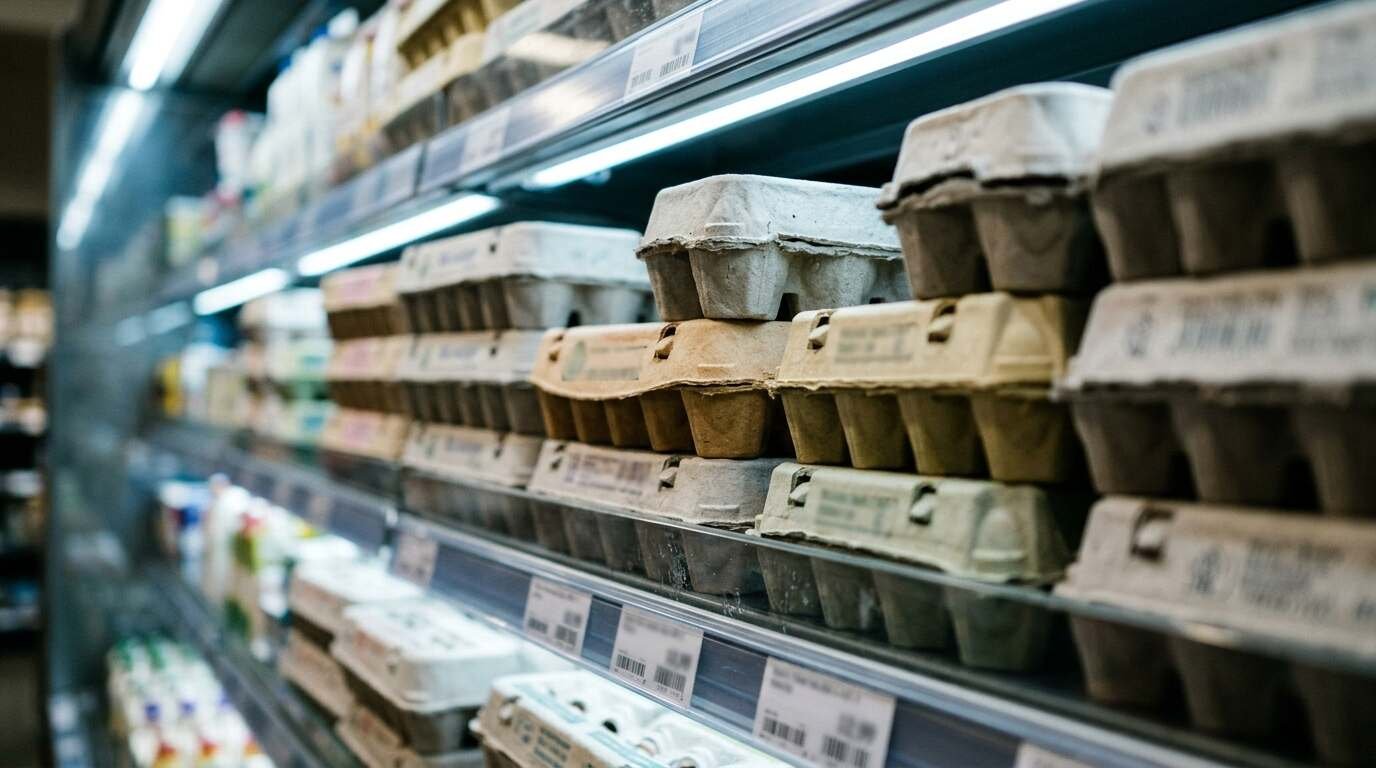
Eggs show the opposite pattern, and the swings are large. According to NPR, the average dozen reached a record $6.23 in March of last year and had dropped to $2.27 by September. The main driver is avian flu. When an outbreak forces a farm to cull its flock, supply tightens and prices jump; when flocks recover, prices can fall just as fast. The story adds a smaller wrinkle: tariffs have raised the cost of the cardboard used for egg cartons, a reminder that even a falling product carries some costs that rise.
For a diner, eggs are the cheapest protein on the menu board, so a drop from the peak matters more than almost any other item here. It does not guarantee stability, because the same flu risk that drove the spike has not gone away.
Coffee: 44% higher than two years ago
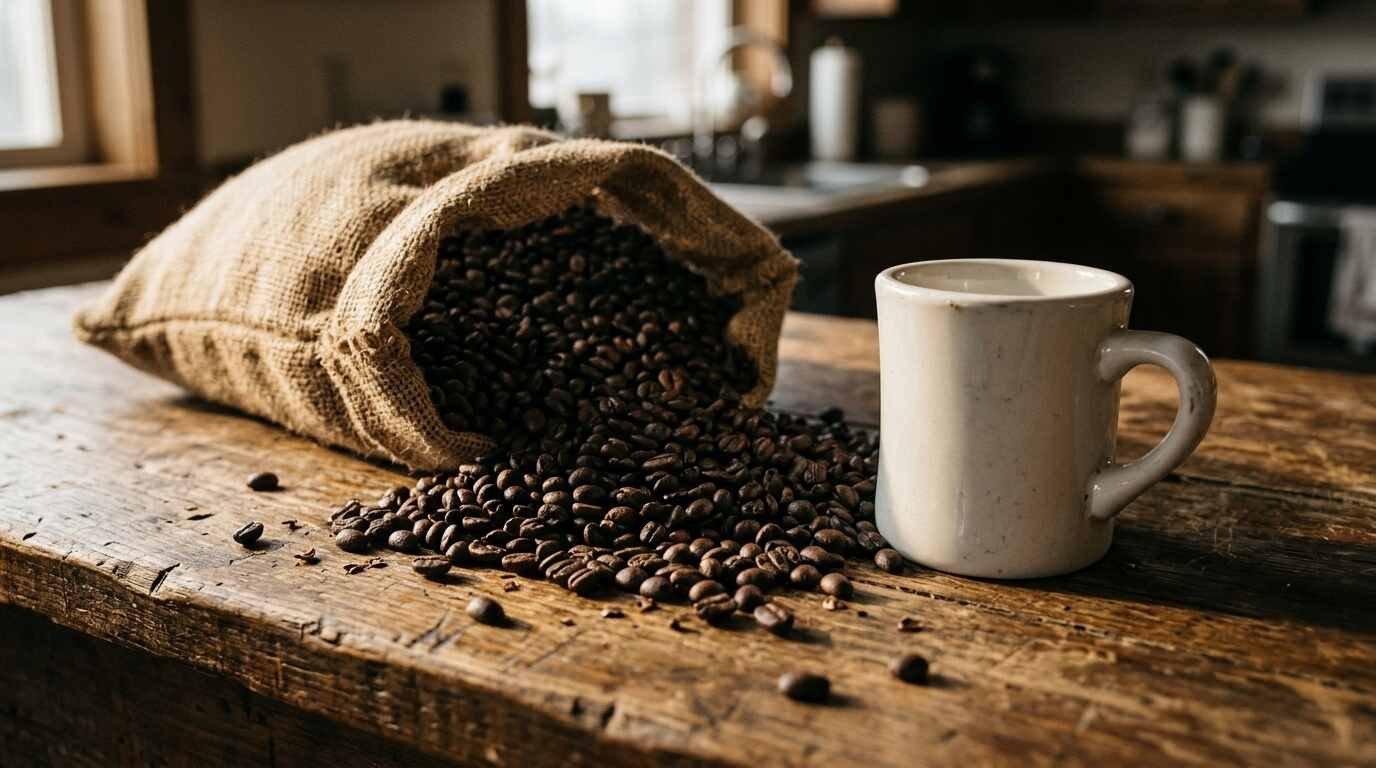
Coffee is the item most diners notice, because the cup is poured all day. NPR reports that it cost 44% more in September than two years earlier. The United States imports more than 99% of its coffee, which leaves buyers exposed to weather and trade policy abroad. The story points to tariffs on Brazil, which supplies roughly 35% of the world’s crop, and says the administration later removed tariffs on some goods, coffee among them. Drought, heavy rain and plant disease in major growing countries have also cut yields, so even a tariff change does not simply reverse the price.
Butter: cheaper than last year
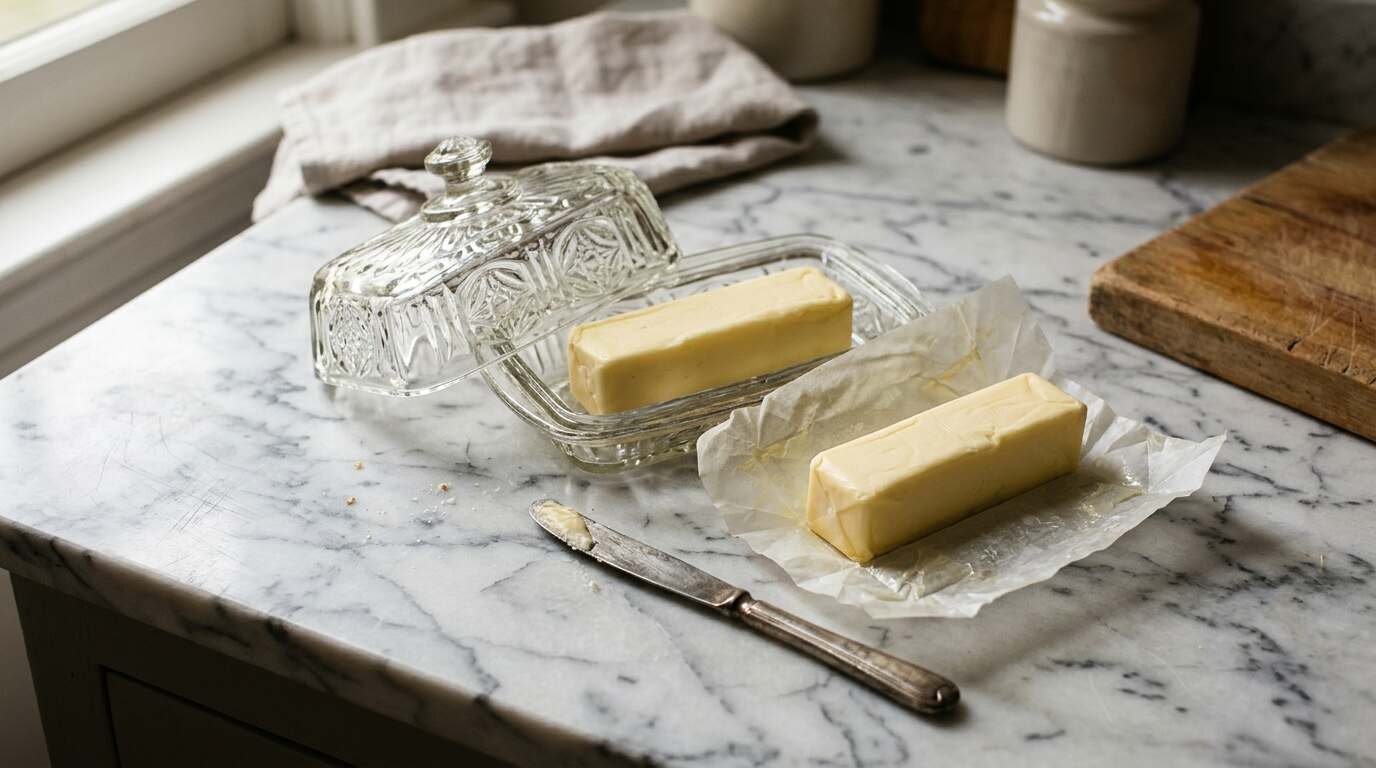
Butter goes against the grain. A pound averaged $3.96 in September, down 17.3% from a year earlier, NPR says. Demand has been strong, partly because of dietary guidelines that encourage fats, according to the story, but supply has grown even faster. Dairy farms expanded herds and milk output to meet demand for milk proteins used in products such as Greek yogurt, and butter became a byproduct in surplus. When one product is made as a side effect of another, its price can fall even while demand rises.
The cookie: a record in January, a little relief since
The fifth item is the chocolate chip cookie. NPR says its price hit a record $5.35 a pound in January and was 20 cents lower in September. The ingredient list explains the stubbornness: flour costs rose after Russia’s invasion of Ukraine, cocoa prices have set several all-time highs, and egg prices tied to avian flu feed into the dough. Bakeries also face higher labor and insurance bills, and shoppers have kept buying pricier treats. One bakery owner quoted in the piece said he has raised prices to afford quality ingredients.
What this means at the counter
The pattern is that food costs now come from many separate causes at once: animal disease, weather, trade rules, consolidation and the slow biology of herds. A single inflation number hides that. A diner can see eggs get cheaper and coffee get dearer in the same week, which makes menu pricing a constant balancing act.
Here are some practical takeaways for readers:
- Expect burgers and anything beef-heavy to stay expensive for a while, since herd rebuilding is measured in years.
- A cheap egg breakfast is a better value now than at the March peak, but egg prices can swing again if avian flu returns.
- When a local diner raises its coffee price by a few cents, the national numbers suggest it is not just padding the margin.
- At home, butter is one of the few staples where the shelf price has moved in the shopper’s favor.
Price movements are reported as of September data and may differ in your local store or restaurant. This article is general news, not financial advice.
Sources
- NPR (Joe Hernandez), “Why are some food prices up and others down? Here are the stories of 5 items,” October 20, 2026, as republished by WGCU News. Price figures cited there are attributed by NPR to the Bureau of Labor Statistics.