How to Make a Fluffy Diner Omelet: A Step-by-Step Guide
A step-by-step guide to the fluffy diner omelet, with test-kitchen methods, a gear list, and a look at the 5,000-egg omelette Abbeville cooks every November.

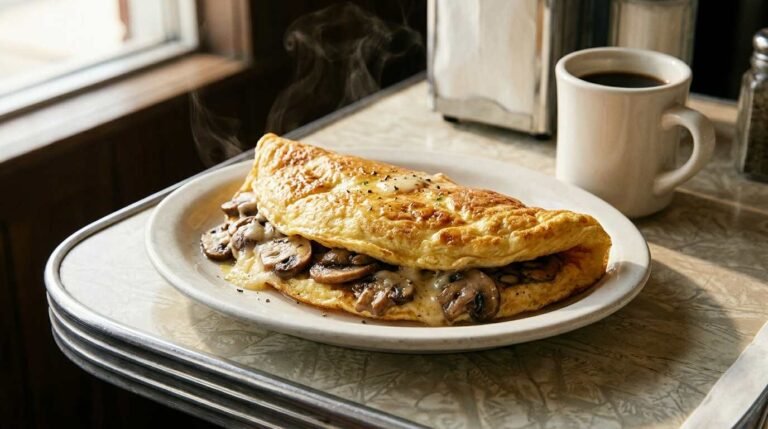
A step-by-step guide to the fluffy diner omelet, with test-kitchen methods, a gear list, and a look at the 5,000-egg omelette Abbeville cooks every November.
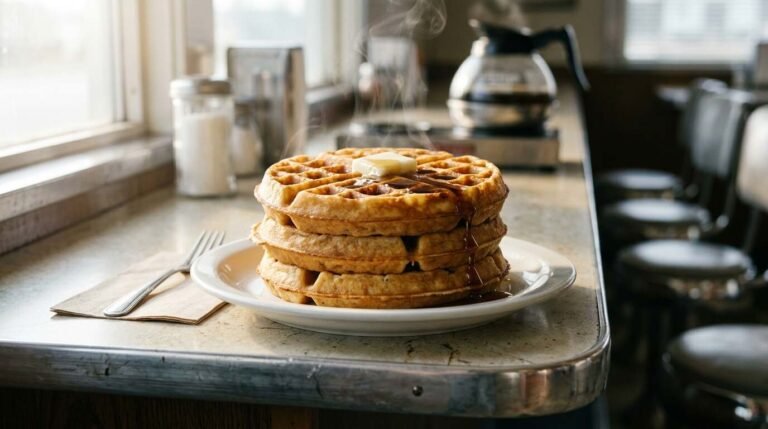
How to make crispy waffles at home: a cornstarch ratio, whipped egg whites, a hot iron and a steam-release trick, plus the Waffle House Index news and a 1964 World’s Fair story.
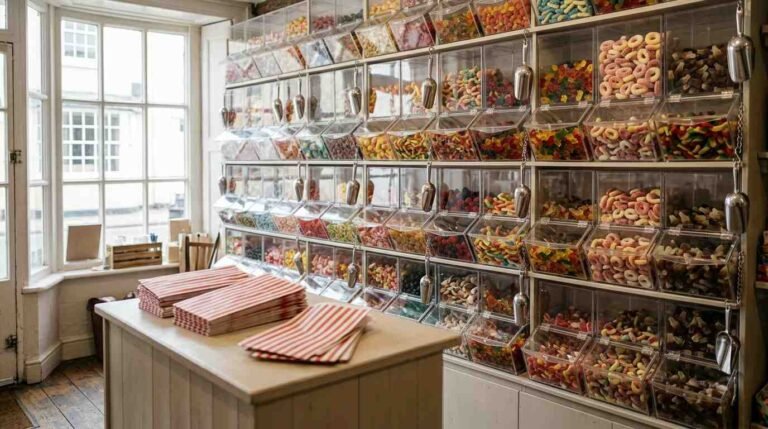
A Swedish rule that limits candy to one day a week became a Suffolk County business. The story of Saturday Candy Co. in Stony Brook, Sayville and Westhampton Beach.
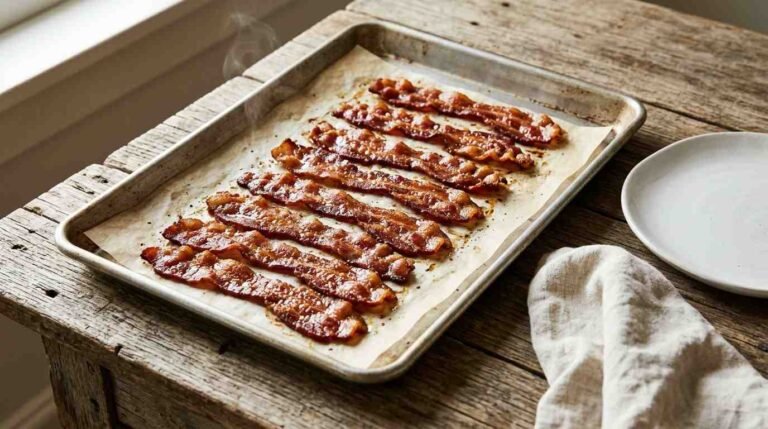
Skip the preheat. Lay strips on a lined sheet pan, start in a cold oven at 400°F, and finish crisp in 10 to 20 minutes, with storage, grease, and FAQs.
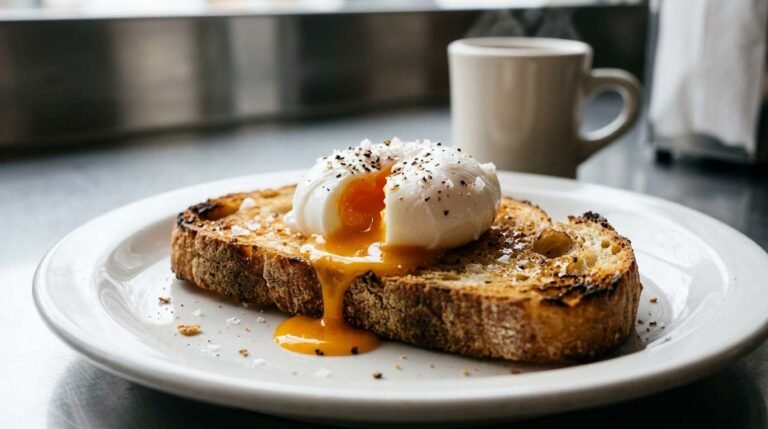
World Egg Day turned thirty. Here is the America’s Test Kitchen colander method for poaching an egg, plus four other routes and one viral shortcut to skip.

Brew diner-style coffee at home with the SCA’s 55 g/L ratio, 200°F water, a fresh grind and a warm mug, plus a cost-per-cup check against 2026 prices.