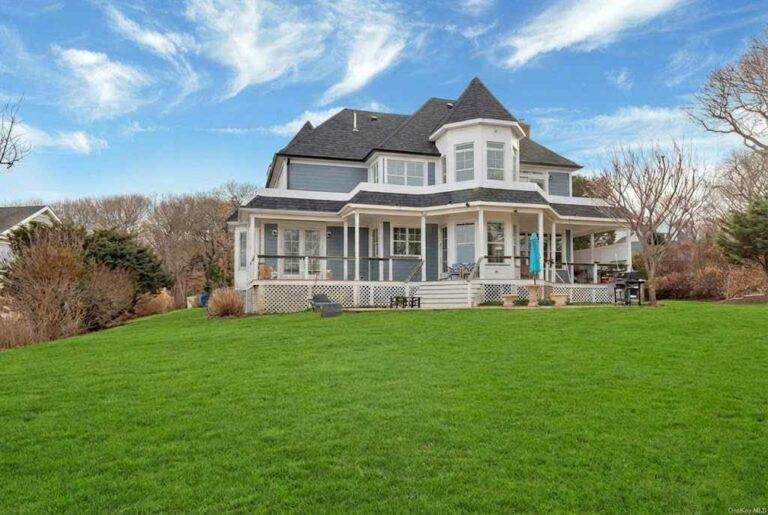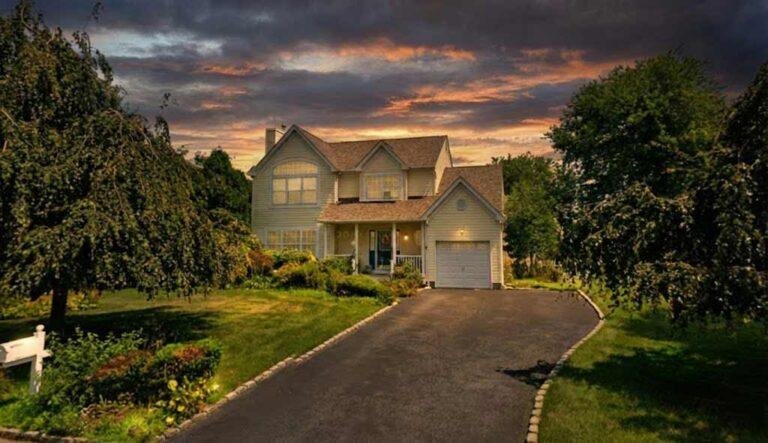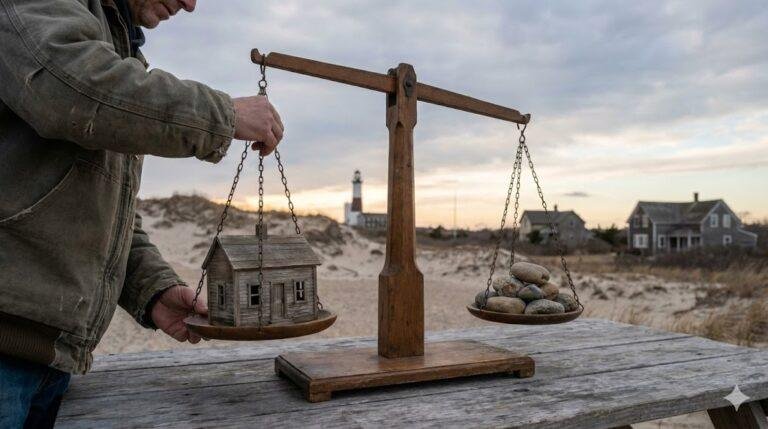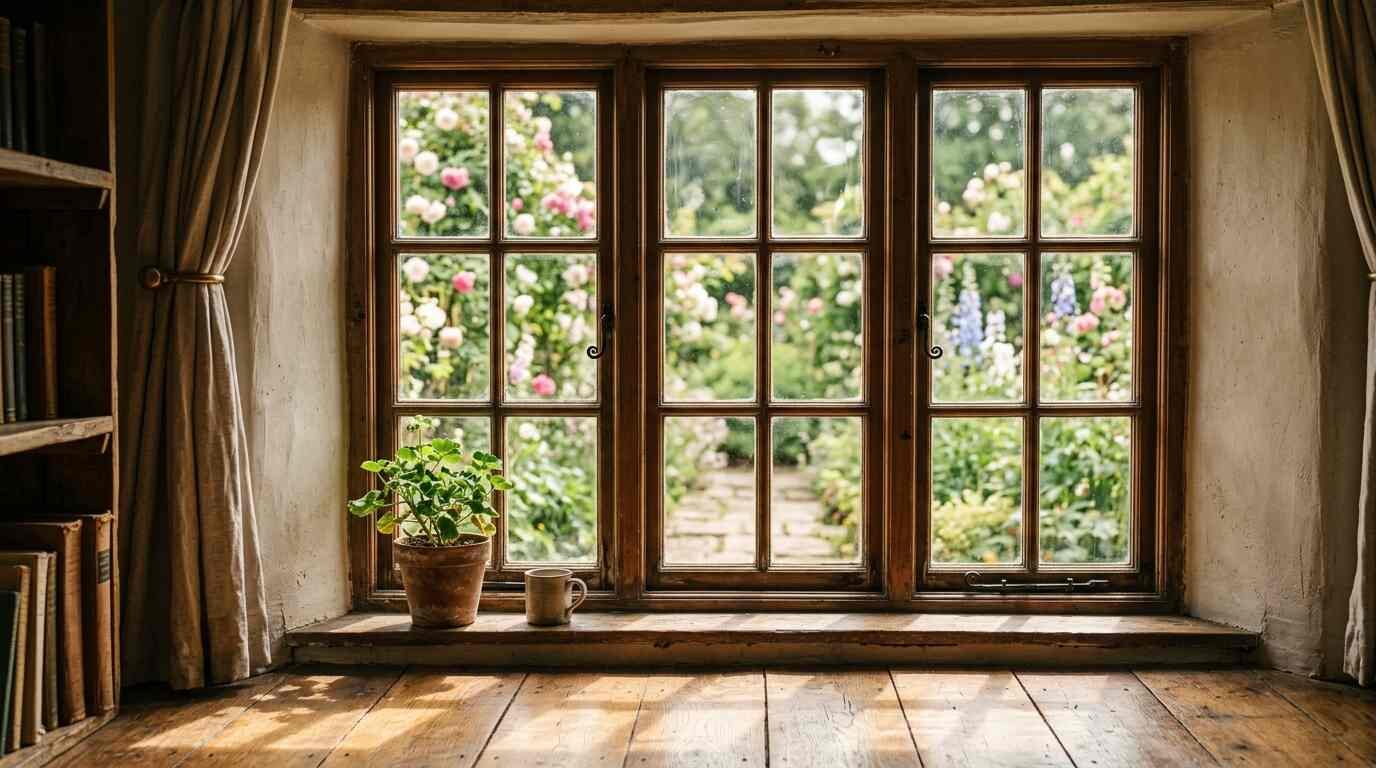
Walk into a 1920s Colonial on the North Shore with its original wavy-glass windows still in the frames, and something happens before a buyer even reaches the kitchen. The light bends slightly differently than it does through modern double-pane glass — a faint, almost liquid distortion that photographs can’t quite capture but a person standing in the room notices immediately, even if they couldn’t explain why. Agents have started treating that moment as a selling point rather than an apology, and the shift says something larger about what buyers on Long Island’s Gold Coast are actually paying for when they write an offer well above a comparable newer build down the street.
What “Original” Actually Means in a Window Frame
Original windows, in the context most relevant to older Long Island housing stock, generally means true-divided-light sashes built from old-growth wood — timber cut from trees that grew slowly over a century or more, producing a density and rot-resistance that fast-grown modern lumber simply can’t replicate. The glass itself was typically produced by crown or cylinder methods that leave faint waves and tiny imperfections, the visual signature collectors and preservationists look for because it can’t be faked by any current manufacturing process at any price point. A window built this way in 1910 was engineered to be repaired, not replaced — glazing compound, individual panes, and hardware were all designed as serviceable parts, which explains why so many of these windows are still functioning more than a century after installation.
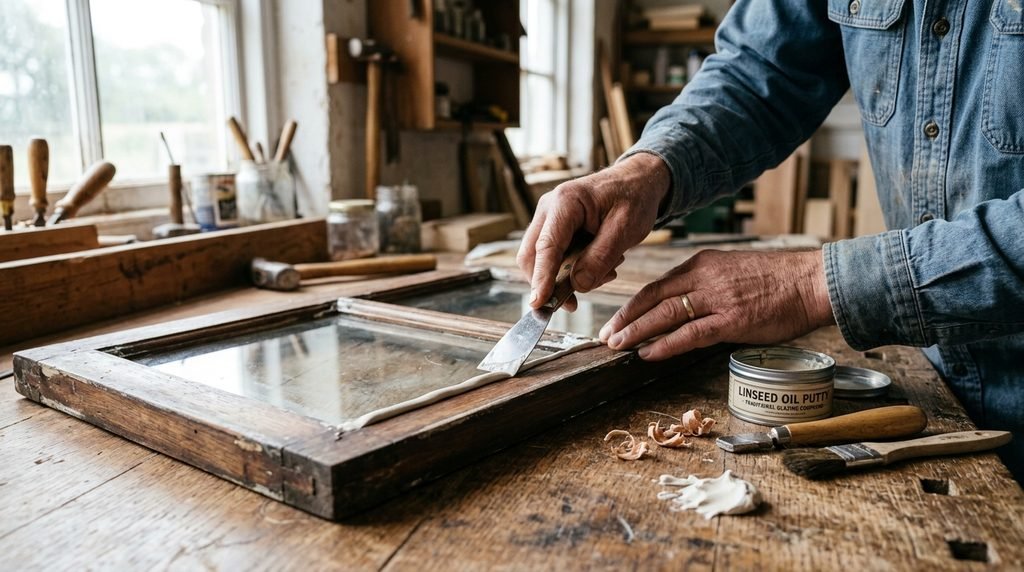
That serviceability is the detail most buyers miss and most renovation contractors undersell. A broken original sash is, in the overwhelming majority of cases, a repair job — reglazing a cracked pane, replacing a sash cord, re-securing loose muntins — rather than grounds for full replacement, and the restoration community has spent years making that case against the assumption that “old window” automatically means “energy-losing liability.”
The Replacement Instinct, and Why It’s Usually the Wrong Default
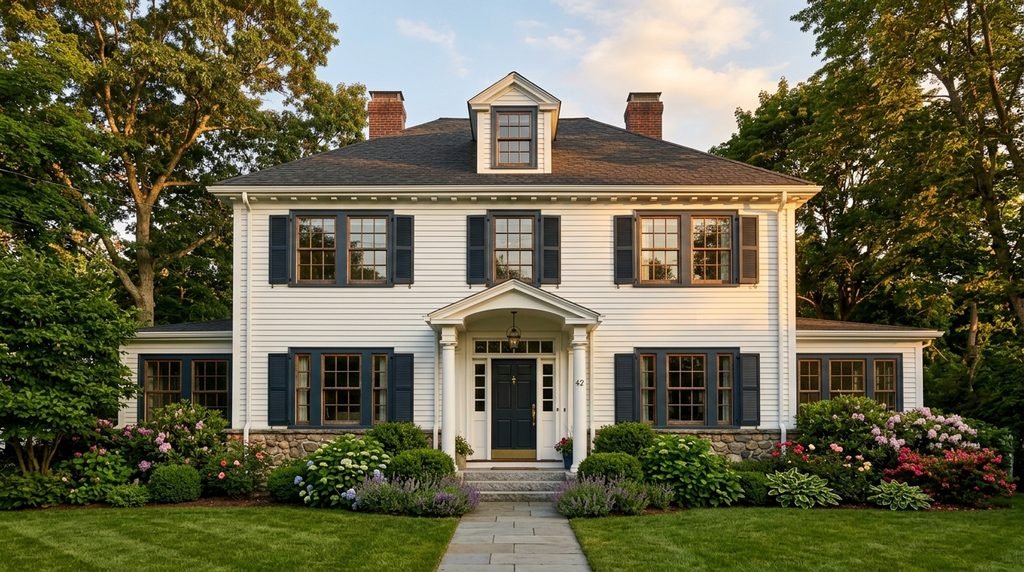
For most of the last three decades, conventional renovation wisdom treated original windows as a problem to solve rather than a feature to preserve, and vinyl replacement companies built an entire industry on convincing homeowners that new meant better. The math behind that pitch always rested on heating and cooling savings, and the math was never quite as clean as the sales brochure implied. Community preservation advocates and window restoration specialists have pushed back hard on the energy-savings argument specifically, pointing out that a properly weatherstripped original window paired with a well-fitted storm window on the exterior can match or beat the thermal performance of cheap vinyl replacements, while an original, well-maintained wood window can last another century — something no vinyl unit, with its typical twenty-to-thirty-year service life before seals fail and frames warp, has ever been asked to prove.
The restoration path isn’t free, and it isn’t always faster than a straight swap-out. But the cost comparison that actually matters to a seller isn’t restoration versus replacement in isolation — it’s what each choice does to the number a buyer is willing to write on an offer.
What Appraisers and Buyers Reward Differently
Formal appraisals are conservative instruments by design, and most appraisal models don’t have a clean line item for “original 1920s windows,” which means the premium these features generate rarely shows up as a discrete number on paper. It shows up instead in the comparable-sales gap between two similar homes on the same block, and in the bidding behavior once buyers are standing in the rooms rather than scrolling photos. Historic preservation organizations tracking renovation outcomes have documented that character-defining original features — windows prominent among them — correlate with measurably higher resale prices in historic districts specifically, even though the mechanism is buyer psychology and scarcity rather than anything an appraiser’s worksheet captures directly.
The North Shore’s housing stock gives this dynamic unusual room to operate, because the area’s inventory of pre-war Colonials, Tudors, and shingle-style homes sits adjacent to a steady stream of newer construction and recently flipped renovations, giving buyers an easy side-by-side comparison most markets don’t offer. A buyer touring both in the same afternoon isn’t comparing abstract concepts — they’re standing in one room with true-divided-light sashes and hand-glazed panes, then standing in another with a vinyl unit installed eighteen months ago, and the difference registers as a feeling before it registers as a line item.
The Insurance and Inspection Wrinkle Nobody Mentions at the Open House
Original windows do raise practical questions a buyer’s attorney and inspector should walk through carefully, and skipping this step is where enthusiasm for character turns into an expensive surprise after closing. Lead paint is a real consideration in window sashes painted before 1978, and any repainting or reglazing work on pre-1978 sashes should follow EPA-compliant lead-safe practices, not a weekend DIY job with a heat gun. Insurance underwriters, for their part, increasingly ask about window condition and storm protection during coastal-adjacent policy reviews, which matters directly for North Shore properties near the Sound, and a seller who’s paired original windows with well-maintained storm sashes generally has an easier underwriting conversation than one who hasn’t addressed either.
None of this is a reason to avoid original windows — it’s a reason to document the maintenance history, keep receipts from any glazier or restoration carpenter, and be ready to hand a buyer’s attorney a clear paper trail rather than a verbal assurance that everything’s fine.
Where This Shows Up in Actual Listings
Boutique North Shore brokerages have started writing listing copy that treats original windows as a named feature rather than a background detail, the same way a chef’s kitchen or a finished basement gets called out — a shift Maison Pawli, the North Shore-focused real estate brand, has noted among buyers increasingly asking specifically about original versus replacement windows before they’ll even schedule a showing. That question, arriving before the showing rather than during it, is itself the clearest signal that this detail has moved from aesthetic preference to genuine purchase criterion for a meaningful slice of the North Shore buyer pool.
This is for informational purposes only — consult a licensed attorney or financial advisor for your specific situation.