 275 Route 25A, Mt Sinai, NY 11766



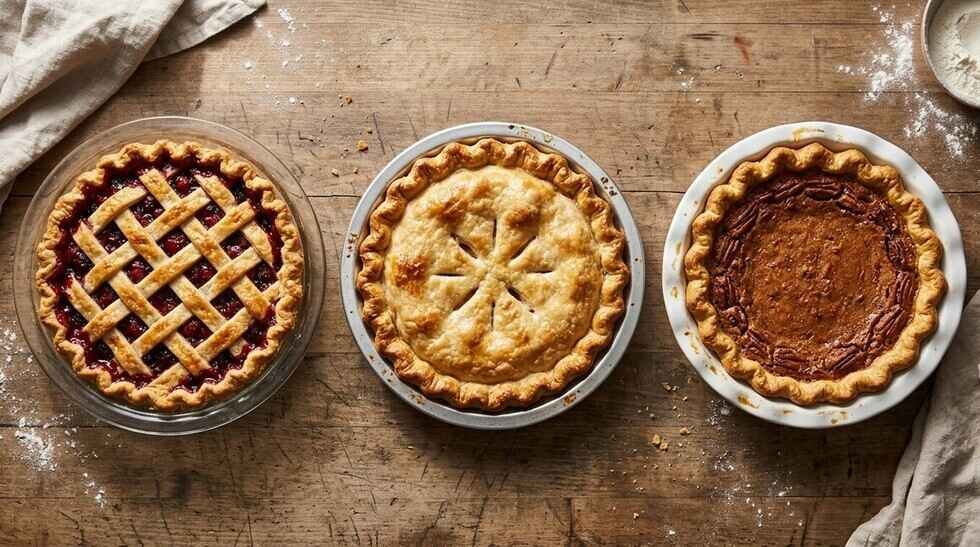
Five published tests baked pie crust in three materials. They agree that the material changes the bake, and they do not agree on which one wins.
A pie plate sets how fast heat reaches the bottom crust, and metal, glass and ceramic move it at different speeds. America’s Test Kitchen puts the split plainly: metal is thin and lightweight, glass and ceramic are thicker and denser, and ceramic conducts heat least of the three because its heavy mass takes longest to absorb heat from the oven.
Metal
Metal browns crusts quickly, which makes an underbaked bottom less likely, according to America’s Test Kitchen. The catch is that thin metal conducts unevenly, so bottoms can brown less uniformly. Both of that kitchen’s co-winners are thin, lightweight metal: the USA Pan 9-Inch Pie Pan and the Williams Sonoma Goldtouch Pro Nonstick Pie Dish.
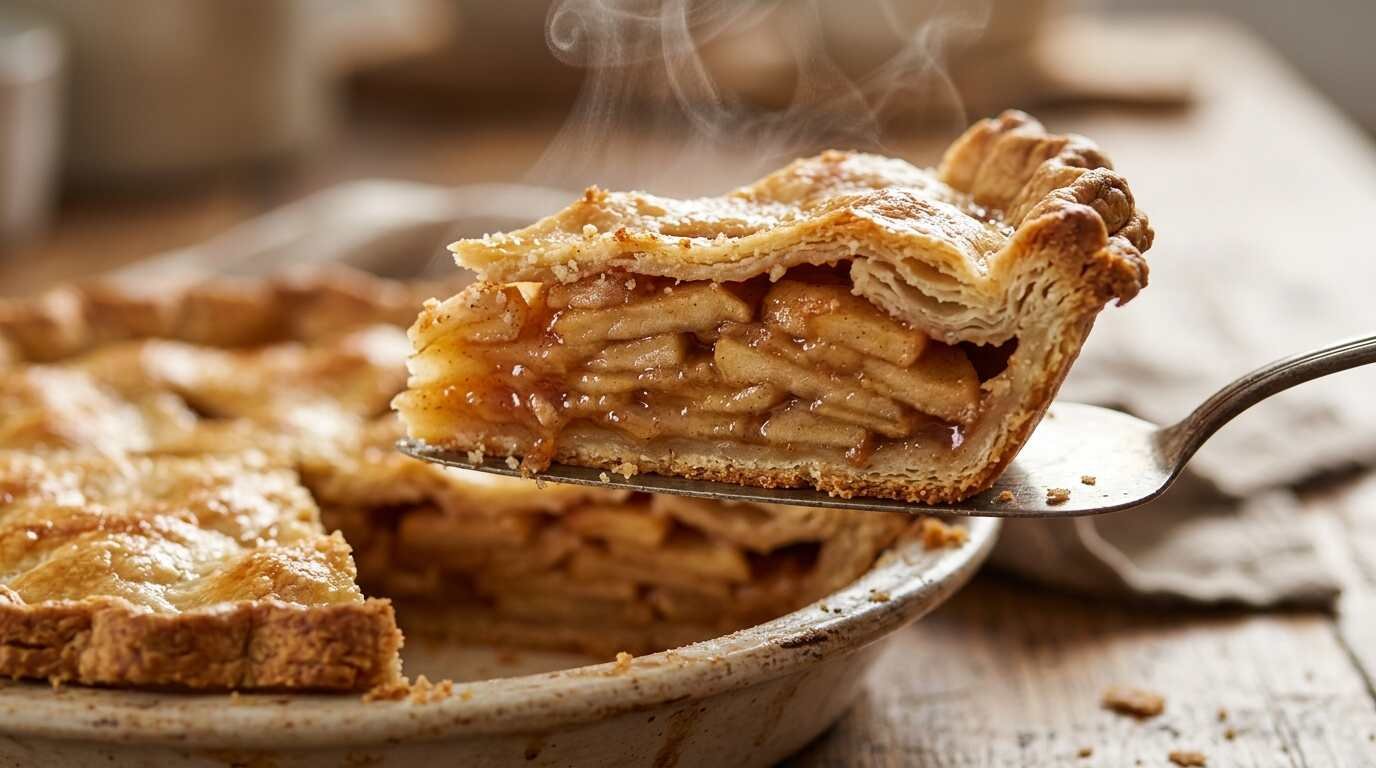
King Arthur Baking baked pumpkin pies in all three materials and found that the metal plate gave the most even browning across the bottom crust, golden from the outer edge to the very center. Cook’s Country, in its pie plate testing, made the same point about heat: its steel plates generally conduct heat better than ceramic or, especially, glass, which heats slowly.
Not every test agrees. Tessa Arias at Handle the Heat baked the same blind-baked crust in every pan and found that the metal one browned less than she expected, since metals conduct heat more efficiently and she had predicted good bottom browning. Her crusts were baked empty, without a filling, so wet-filling effects did not enter the comparison.
Glass
Glass takes longer. America’s Test Kitchen reports that glass typically needs 10 to 15 minutes more than metal to brown. Its thermal mass releases heat evenly, so bottom browning is especially uniform, but the crust can end up drier and less tender.
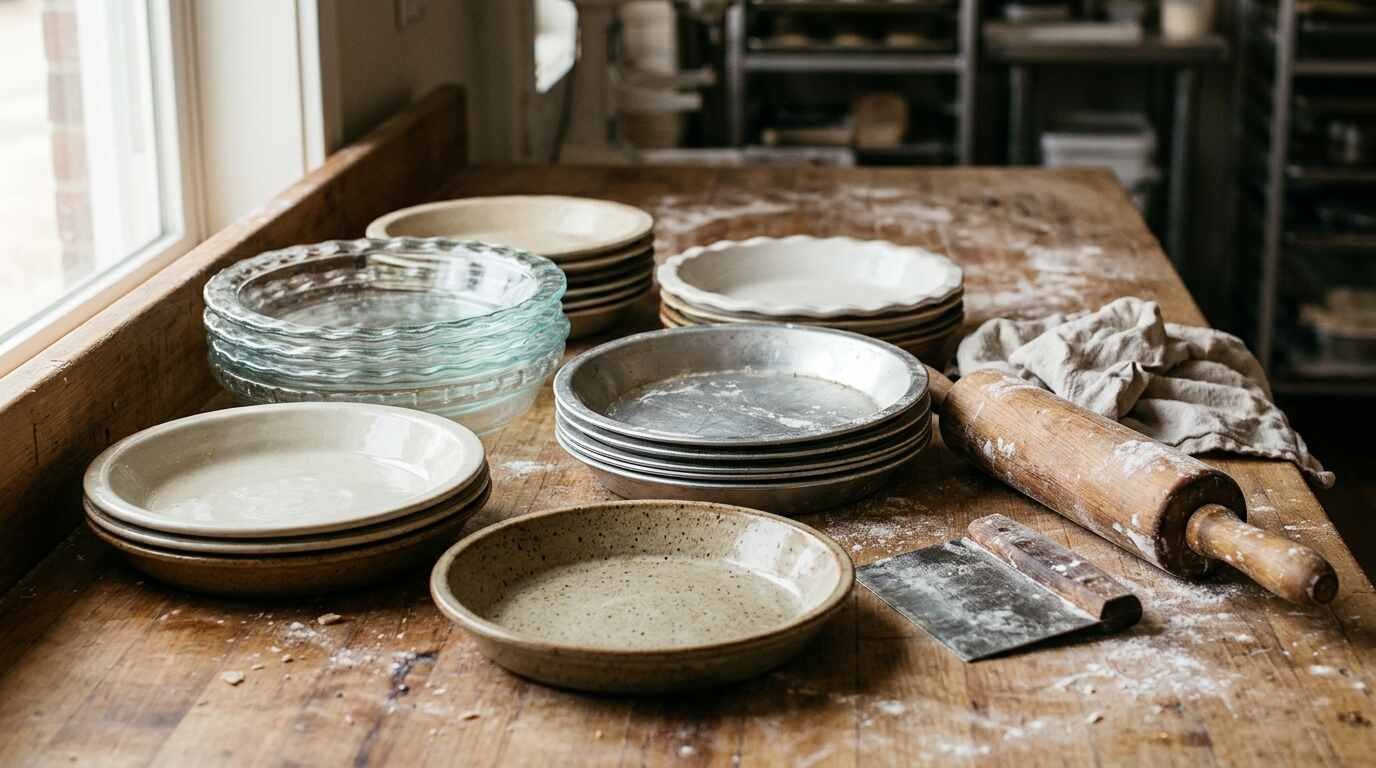
King Arthur’s pumpkin pie in glass had somewhat even browning, with a paler center than edge, and a crust darker overall than the metal one, which the author attributes to glass holding heat longer than metal does. Handle the Heat saw the opposite on a blind-baked crust: minimal browning, which it ties to glass conducting heat slowly. That crust also felt delicate when removed.
Serious Eats, in a metal, glass and ceramic comparison syndicated on AOL, found the glass-baked crust just as crisp as the metal one, but the bake ran to 85 minutes total and left darker, crunchier edges than the writer preferred. Cook’s Country also had to pry a blueberry pie’s crust off its glass plate, while none of the metal or ceramic plates had release problems.
Glass has one use the others lack. The bottom crust can be watched while it bakes, which helps with fruit pies that run long in the oven.
Ceramic
Ceramic bakes slowest. In America’s Test Kitchen’s testing, the thickest ceramic model took 25 minutes longer than metal for a double-crust apple pie, and the crust came out quite dry. Once heated, ceramic browns evenly, and the retained heat can overcook sensitive custards and quiches.
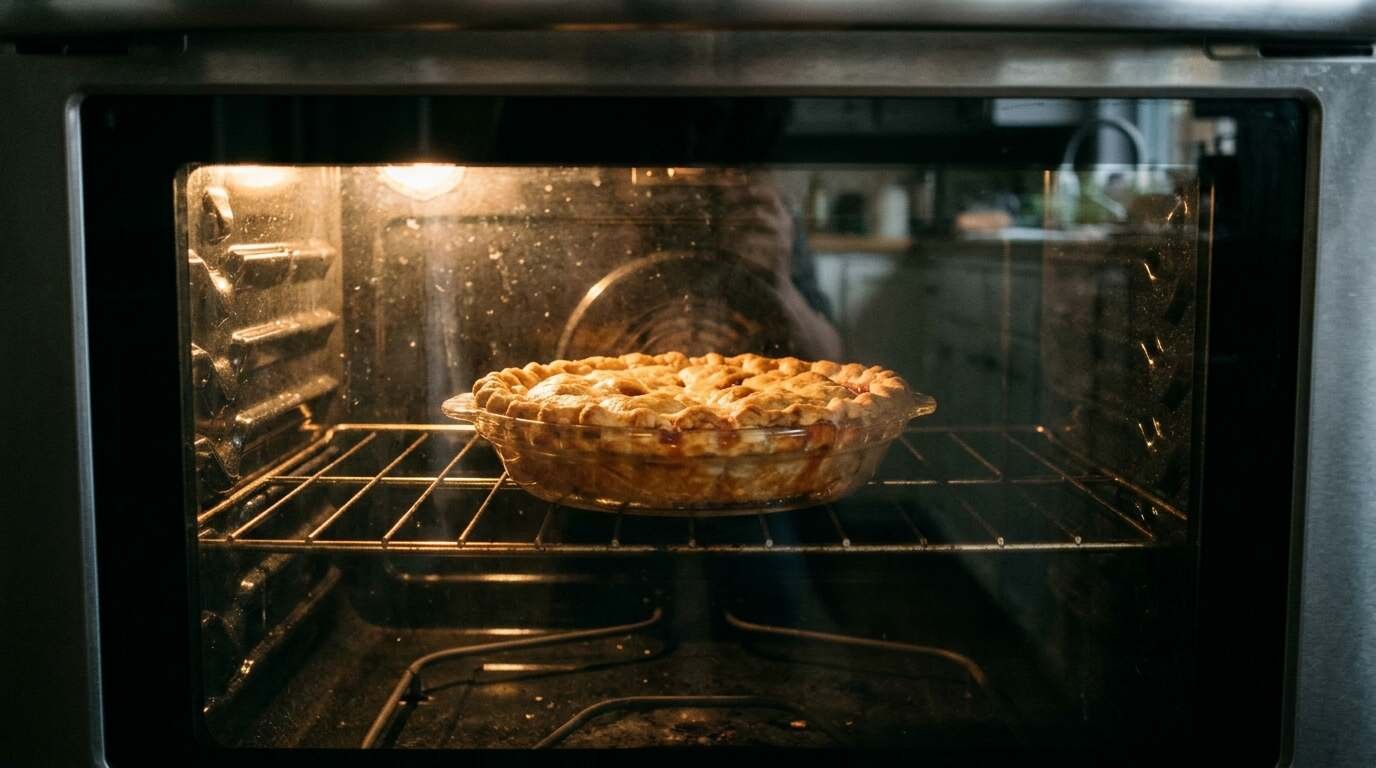
King Arthur’s ceramic pumpkin pie browned least evenly: pale and slightly underbaked in the center, deep brown at the edge, though not soggy. All three of its pies turned out well. Handle the Heat reached a different result. Ceramic is not a great conductor, it wrote, yet the crust browned very nicely on the bottom, though it was still surprisingly delicate. Its closing recommendation leans to ceramic for a new purchase, with the note that glass is easiest for beginners because browning is visible.
Serious Eats found that crust baked in ceramic was noticeably less crisp after 24 hours than those baked in metal or glass, and slightly greasy, with hard, oily spots where butter had melted. Its verdict: a metal plate produced a flaky, evenly browned crust that stayed crisp for several days.
A consumer-lab view
Tasting Table summarizes a Consumer Reports test of seven pans, in metal, glass and ceramic, all put through the same blueberry pie test. The USA Pan 9-Inch Pie Pan was the overall best. Pans from King Arthur, Le Creuset, Oxo, Pyrex, Staub and Williams Sonoma all produced acceptable pies. The better performers stood out for crust browning and for easier cleanup, and Tasting Table credits the USA Pan’s Americoat silicone nonstick coating for part of that. Price was not a factor in the testing; the pan generally sells for around $20.
On the ceramic side, The Takeout reports that Consumer Reports rated the Staub ceramic dish runner-up among ceramic pie dishes, and ranked it above Le Creuset.
Where the tests disagree
Set side by side, the results conflict on browning and agree on time. Every test that mentions bake time puts glass and ceramic behind metal. On browning:
- America’s Test Kitchen: metal browns fast but can be uneven; glass browns especially uniformly.
- King Arthur (pumpkin pie, all-butter crust): metal most even; glass paler in the center; ceramic least even.
- Handle the Heat (blind-baked crust): ceramic browned best; metal less than expected; glass minimal.
- Serious Eats (crust baked three ways): metal gave the best flaky, evenly browned result; glass ran long with dark edges.
- Consumer Reports (blueberry pie): metal USA Pan on top, with ceramic Staub the runner-up among ceramics.
The pies differ. A double-crust apple pie, a single-crust pumpkin custard and an empty blind-baked shell load a pan differently, and the crust recipes differ as well. Plate thickness varies inside each material too. King Arthur tested a KOOV ceramic plate; America’s Test Kitchen reports that the thickest ceramic model was the slowest. A claim about “ceramic” in general rests on whichever plate happened to be tested.
King Arthur adds one method point for a crisper bottom crust: bake on a preheated pizza stone or baking steel, with a metal pan. Crusts with added sugar brown more readily regardless of pan.
Three plates worth considering
All three plates below appear in published test results.
USA Pan Bakeware Aluminized Steel Pie Pan, 9-Inch is the metal choice. America’s Test Kitchen lists the USA Pan 9-inch as a co-winner, and Consumer Reports named it overall best. See it on Amazon (affiliate link)
OXO Good Grips Glass Pie Plate is a glass option America’s Test Kitchen rates as recommended; the listing includes a leakproof lid. See it on Amazon (affiliate link)
Emile Henry Made In France 9 Inch Pie Dish, White is the ceramic pick, also in the recommended tier. See it on Amazon (affiliate link)
As an Amazon Associate I earn from qualifying purchases. A commission may be earned if you buy through this link, at no extra cost to you.
The diner’s other bakeware tests are in the Nordic Ware half sheet pan review, and the crust itself is covered in flaky all-butter pie crust. Custard fillings, which America’s Test Kitchen flags as sensitive to ceramic’s retained heat, are covered in pumpkin pie without cracks.
Sources
- America’s Test Kitchen, Pie Plates equipment review: https://www.americastestkitchen.com/equipment-reviews/1832-pie-plates
- King Arthur Baking, Best Pie Pan: https://www.kingarthurbaking.com/blog/2022/11/04/best-pie-pan
- Handle the Heat, Best Pie Pan: https://handletheheat.com/best-pie-pan/
- Cook’s Country, Pie Plates: https://www.cookscountry.com/equipment_reviews/832-pie-plates
- Serious Eats via AOL, I Baked the Same Pie Crust in Metal, Glass, and Ceramic: https://www.aol.com/articles/baked-same-pie-crust-metal-020344427.html
- Tasting Table, Consumer Reports Recommends This American-Made Pie Pan: https://www.tastingtable.com/2243684/consumer-reports-best-pie-pan-crust/
- The Takeout, Consumer Reports’ Best Ceramic Pie Pan: https://www.thetakeout.com/2276437/consumer-reports-best-pie-pan-le-creuset/
- America’s Test Kitchen, Glass vs Metal Matters More Than You Think (video): https://www.youtube.com/watch?v=r4BhlkV4FOw
Leave a Reply