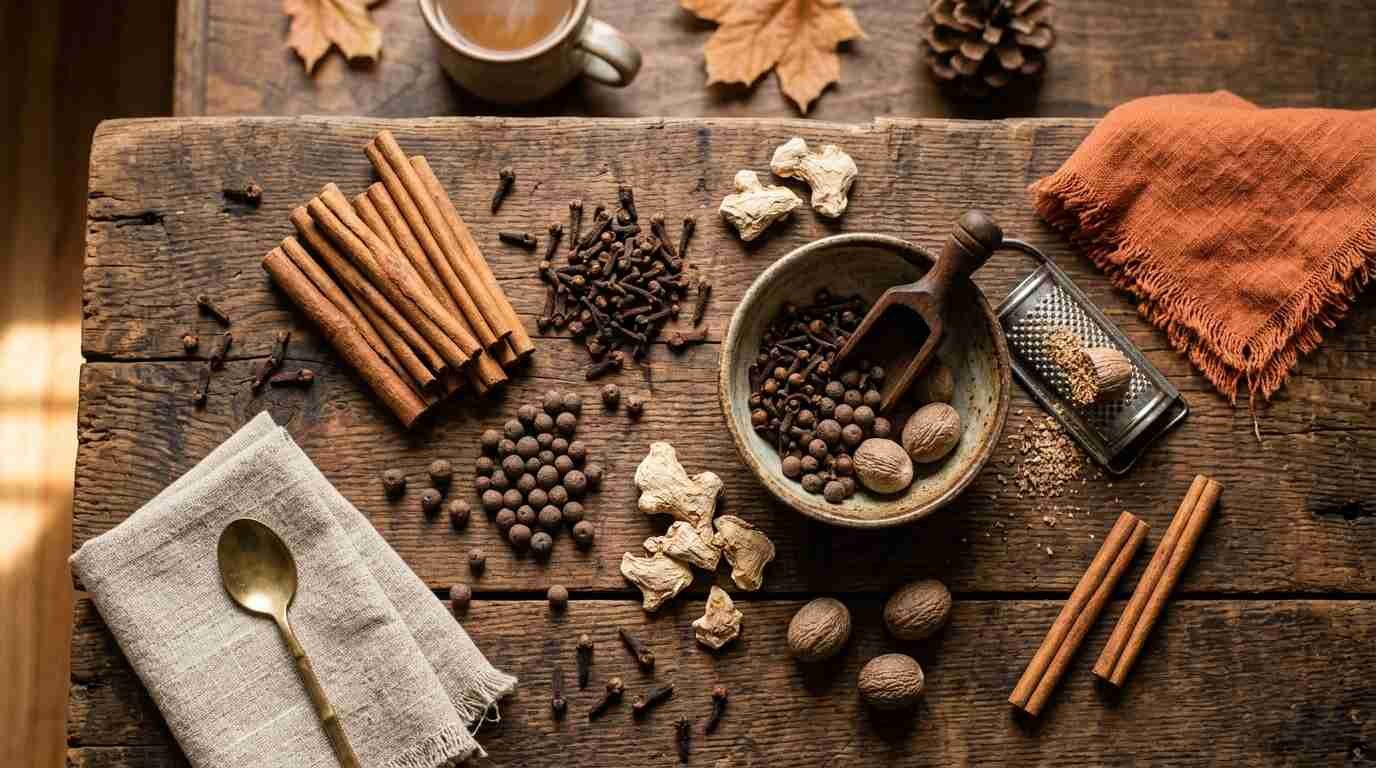
Read the ingredient label on most pumpkin spice products sold every October and the word “pumpkin” is often nowhere on it. What’s actually in the jar is cinnamon, nutmeg, clove, ginger, and allspice — a blend that predates the squash association by roughly two centuries, going back to the dried-fruit pies colonial cooks spiced with whatever was in the cupboard. The flavor people call “pumpkin spice” is, chemically and historically, pie spice. Pumpkin just happened to be the vegetable that absorbed it best and got its name stapled to the whole category once a coffee chain decided to sell the smell of a holiday in a cup.
A Seasonal Flavor Accidentally Became a Permanent Industry
Pumpkin spice as a commercial product category traces to a specific, datable moment rather than some slow folk evolution: Starbucks launched the Pumpkin Spice Latte in 2003, and within a few years it had become the company’s best-selling seasonal beverage of all time, eventually generating more than $500 million in cumulative sales by the mid-2010s according to Forbes’ reporting on the drink’s rise. What started as one product line metastasized into an entire aisle. By 2018, Forbes was already describing a “$600 million pumpkin spice industrial complex” spanning cereal, yogurt, dog treats, and candles, and more recent market research puts the global pumpkin spice products category on a trajectory toward $2.4 billion by 2031, growing at a compound rate north of 10 percent a year.
The strange part of that growth curve, documented in independent analysis of the sales data, is that it isn’t really driven by people drinking dramatically more pumpkin spice lattes than they did a decade ago. It’s driven by the flavor colonizing categories that had nothing to do with coffee in the first place — protein bars, dog biscuits, air fresheners, vodka. The economics work because pumpkin spice carries almost no production cost premium over a product’s standard formula, just a seasonal reformulation and a label change, while commanding the kind of limited-time markup that any retailer would envy. It’s a flavor that monetizes nostalgia at close to zero marginal cost.
The Spices Themselves Have Their Own Volatile Economics
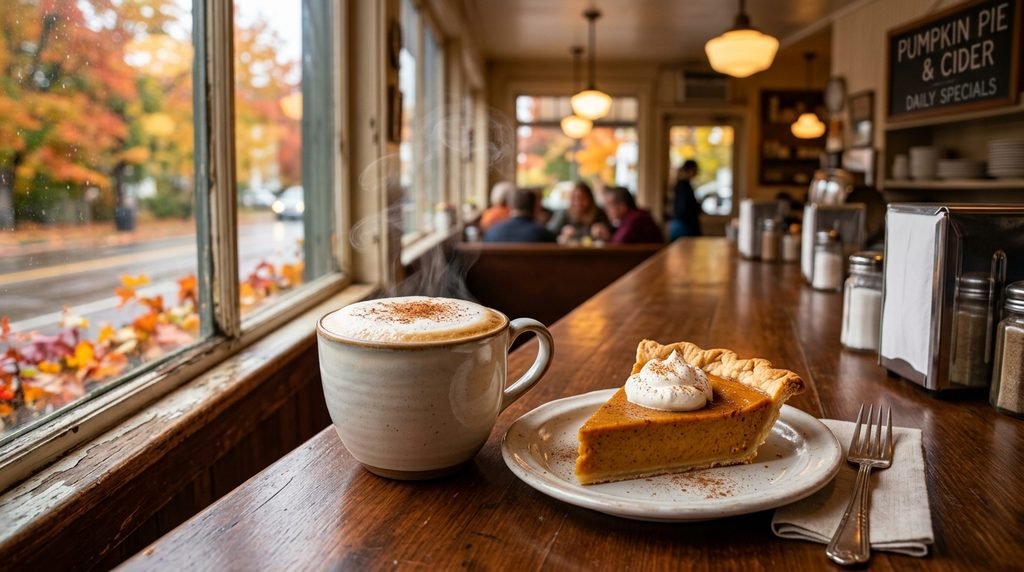
While the finished pumpkin spice product category has ballooned into billions, the raw spices behind it answer to a much older and more unpredictable commodity market. Cinnamon prices track Sri Lankan and Indonesian harvest conditions; clove is concentrated overwhelmingly in production from Indonesia, Madagascar, and Tanzania, making it vulnerable to the kind of weather disruption that can swing global supply in a single growing season; nutmeg still carries institutional memory of a 17th-century monopoly so valuable the Dutch once traded an entire Manhattan-adjacent island for exclusive control of a single nutmeg-producing archipelago. None of these crops are grown at industrial scale in the way corn or wheat are, which means a localized crop failure thousands of miles away shows up, with a lag of months, as a line-item cost shift for every company trying to lock in October spice-blend pricing by midsummer.
That vulnerability rarely reaches the consumer directly as a price spike on a latte — coffee chains and food manufacturers hedge and buy forward specifically to avoid passing commodity volatility onto a seasonal product people expect to cost the same every year. But it does show up in formulation. When clove or nutmeg costs spike, manufacturers quietly shift blend ratios toward cheaper cinnamon and synthetic flavor compounds, a substitution most customers never notice because the marketing promise was always “the taste of fall,” not a fixed chemical formula.
Why the Flavor Itself Triggers Something Almost Nobody Questions
CNBC’s economics reporting on the Pumpkin Spice Latte phenomenon landed on a genuinely useful framing: the product succeeds because it sells scarcity and timing, not flavor novelty. Pumpkin spice available year-round would almost certainly sell worse than pumpkin spice available for nine deliberately marketed weeks, because the limited window is what converts a flavor preference into a small act of seasonal ritual — the first pumpkin spice purchase of the year functions less like a beverage order and more like a personal calendar marker, the consumer equivalent of putting up a wreath.
There’s a sensory mechanism reinforcing that ritual function, too. Cinnamon, clove, nutmeg, and ginger together produce a scent profile that overlaps substantially with foods culturally associated with harvest and holiday baking across generations of American households, which means the smell is doing real cognitive work before a single sip happens — olfactory memory is processed by the brain’s limbic system more directly than most other senses, which is part of why a smell can trigger a specific memory faster and more vividly than a photograph of the same scene. Marketers didn’t invent that neurological shortcut. They just found a commodity blend cheap enough to mass-produce that happens to trigger it reliably, every September, on schedule.
Pumpkin Spice as a Diner Menu Decision, Not Just a Latte
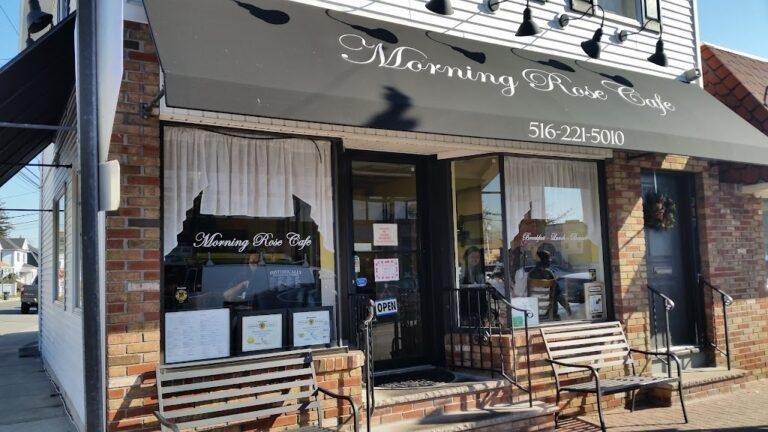
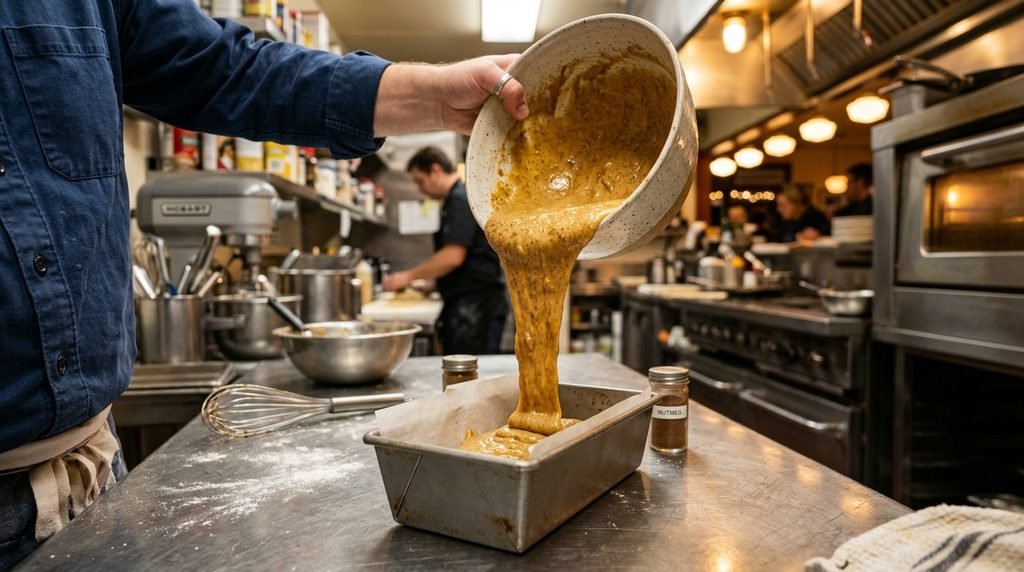
For a restaurant built around a long breakfast and lunch menu rather than a rotating beverage program, the pumpkin spice calendar presents a narrower and more practical question than it does for a national coffee chain: which dishes earn the seasonal treatment, and which ones would just be the flavor stapled onto something that didn’t need it. Pumpkin spice pancakes, a seasonal pie, a coffee cake — these are additions that use the spice blend the way it was used for two centuries before Starbucks existed, baked into something with genuine structural reason to carry warm spice. A pumpkin spice option bolted onto a dish where the spice does no real work is the restaurant equivalent of the pumpkin-spice dog treat: riding a trend rather than using it.
The honest version of a diner’s pumpkin spice season is closer to what colonial and early American cooks were actually doing with the blend in the first place — folding cinnamon, clove, nutmeg, and ginger into dense, keep-well baked goods meant to use autumn’s harvest before winter made fresh ingredients scarce. That’s a genuinely different proposition from a limited-time syrup pumped into a cold-brew base, and it’s the version of pumpkin spice that was never really about pumpkin to begin with — it was about surviving a season on stored food that needed help tasting like more than stored food.