Kara Walker Makes Silhouettes That Cut Like a Blade. This Is How She Does It.
Kara Walker’s cut-paper silhouettes look elegant from across the room. Up close they’re brutal. Here’s what she’s actually doing and why it matters.

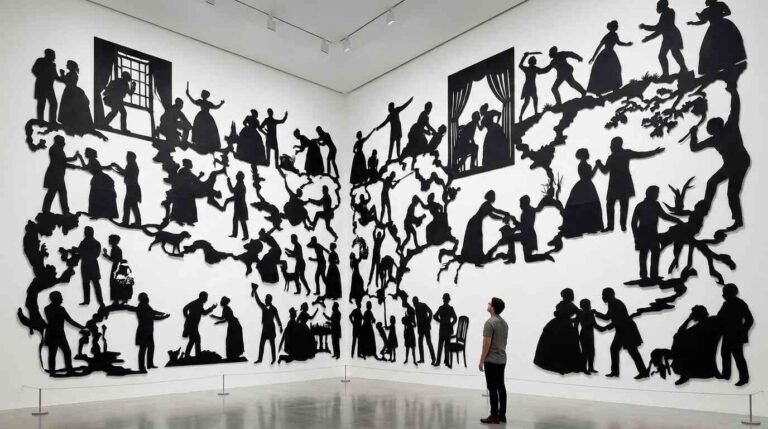
Kara Walker’s cut-paper silhouettes look elegant from across the room. Up close they’re brutal. Here’s what she’s actually doing and why it matters.

Theaster Gates doesn’t just make art objects — he buys abandoned Chicago buildings and rebuilds communities inside them. Here’s why that’s harder to categorize than it looks.
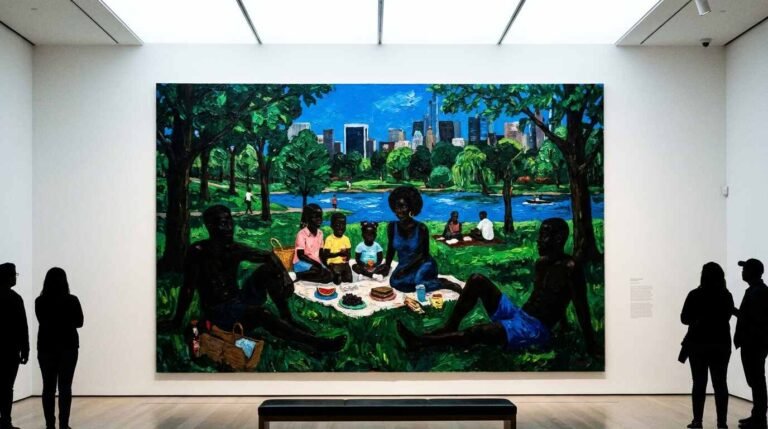
Kerry James Marshall spent decades putting Black figures into the Western painting tradition. Now his work sells for tens of millions. Here’s why it took so long.
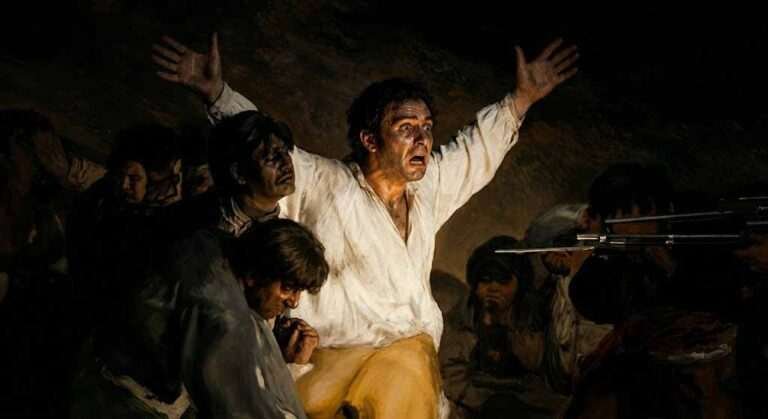
The firing squad in Goya’s Third of May 1808 has no faces. They don’t need them. Here’s what the painting actually says about empires, workers, and who bleeds when states collide.
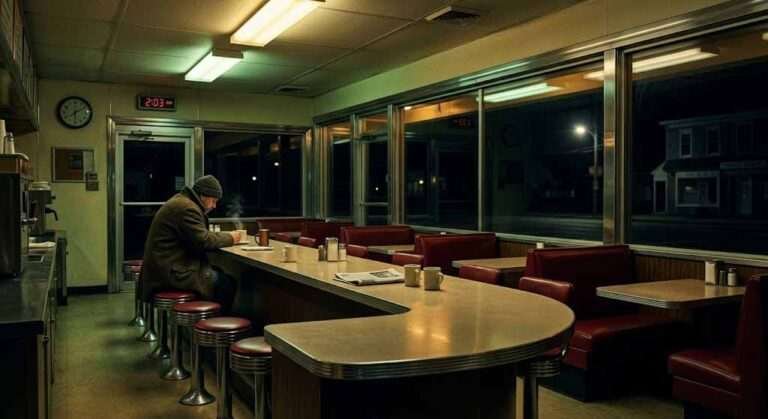
Everyone calls Nighthawks a painting about loneliness. A 25-year diner owner sees something else entirely — exhaustion, routine, and the silence that keeps the lights on.
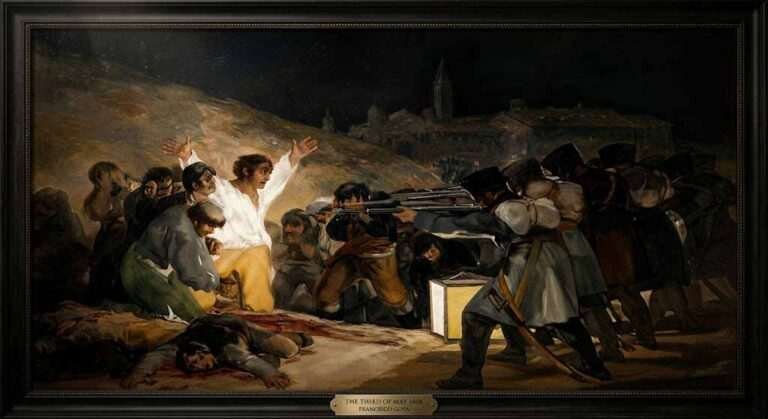
Goya’s Third of May 1808 isn’t a war painting. It’s the moment a Spanish artist realized what modern war actually is — the mechanized, faceless killing of the poor.