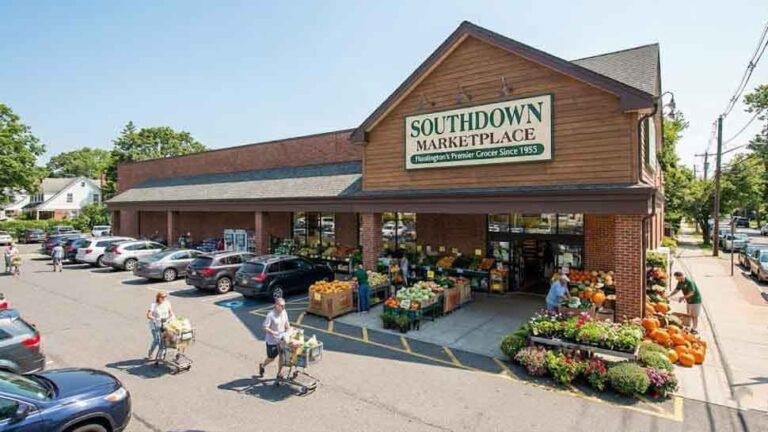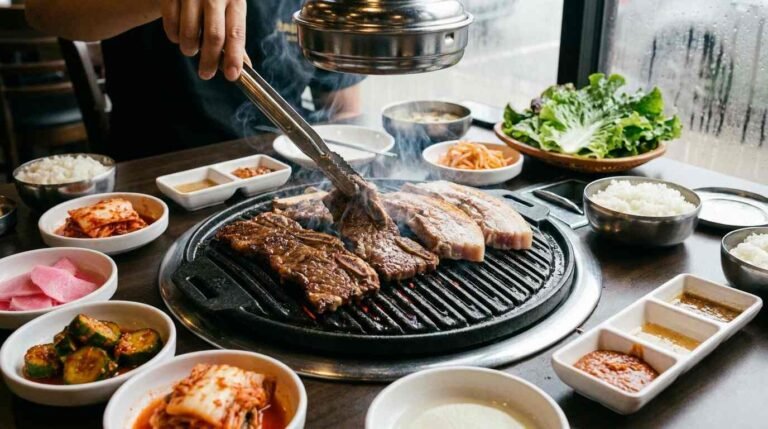

There is a specific, quiet rhythm to a Saturday on Long Island that defines the local lifestyle. It begins with the crisp morning air at a village farmers market and ends with the heavy, familiar aroma of a seasoned grill as the sun dips below the horizon. For those of us living between the North and South Shores, this transition from the soil to the sear is not just a weekend routine—it is a study in how to eat with the seasons and respect the science of our food.
The Morning Ritual: The Economics and Science of “Nutrient Miles”
The weekend starts early at local hubs like the Huntington Winter Farmers Market. While many perceive these morning trips as merely a social outing, they represent a fundamental intervention in the nutritional decline of our food supply.
To survive cross-country transit, commercial produce is typically harvested at only 20 to 30 percent ripeness. This prevents the final surge of nutrient accumulation that occurs in the last stages of ripening. The journey itself is brutal on cellular integrity; vibration from trucks damages plant cell walls, and exposure to light and oxygen accelerates antioxidant degradation. Research indicates that spinach can lose up to 90 percent of its vitamin C within 24 hours at room temperature, while broccoli’s vitamin C drops by 50 percent within a week, even when refrigerated. Furthermore, every 10°C increase in temperature during transport roughly doubles the rate of nutrient loss.
In contrast, local produce is often harvested at 85 to 95 percent ripeness. This is highly accessible for us because Suffolk County remains the number one producer of agricultural products in New York State, with over 585 farms generating hundreds of millions of dollars in market value. When you buy locally, you are securing a product that has been allowed to fully develop its vitamin profile on the vine. Stone fruits, for instance, demonstrate this dramatically—a peach picked ripe from a local orchard contains 40 percent more antioxidants than one picked green and ripened during transport.
The Evening Shift: The Biochemistry of the Chophouse
As the evening rolls in, the mood shifts from the fresh and vibrant to the bold and substantial. Transitioning to a steakhouse dinner is a masterclass in high-heat biochemistry and the art of controlled decay.
The true steakhouse experience often comes down to the aging process. Top-tier establishments favor dry aging, a controlled process where beef is held in a specific climate—typically between 2 and 4 degrees Celsius with 70 to 85 percent relative humidity. This environment does not “add” flavor; it preserves the conditions under which natural processes can unfold.
Two primary scientific mechanisms define this transformation:
- Enzymatic Tenderization: In the early phase of aging, proteolytic enzymes already present in the muscle, such as calpains and cathepsins, begin breaking down muscle fibers and connective tissue. This structural softening happens mostly within the first two weeks.
- Oxidation and Flavor Concentration: As aging continues, enzymes like lipases release free fatty acids from fat, which then undergo oxidation to form aldehydes and ketones. These aromatic compounds are responsible for the nutty, buttery, and roasted notes associated with dry-aged beef. Additionally, proteolysis produces free amino acids like glutamic acid, directly increasing the umami flavor. Moisture evaporates gradually from the meat’s surface, acting as a concentration mechanism for these newly formed flavor compounds.
Then comes the heat. Elite steakhouses use extreme temperatures to rapidly trigger the Maillard reaction—a non-enzymatic browning that transforms proteins and sugars into an irresistible, umami-rich crust without overcooking the tender interior.
Bridging the Gap: The Local Ecosystem
The connection between the morning’s local harvest and the evening’s prime cut is an appreciation for source, patience, and simple preparation. Whether you prefer a grass-fed cut for its omega-3 profile or a grain-fed ribeye for its generous marbling, the steakhouse provides the ideal setting to enjoy high-quality protein alongside simple vegetable preparations. Steamed broccoli, sautéed mushrooms, and grilled asparagus seamlessly bridge the gap between farm and table.
Living on Long Island means we do not have to choose between the farm and the fire. By starting your day at the market and ending it at the grill, you are participating in a local agricultural economy where many Suffolk County farmers sell a substantial proportion of their produce directly to the end consumer—averaging 42 percent of their total yield.
Watch: The Art and Science of Dry Aging Meat — A detailed look at how high-end steakhouses transform standard cuts of beef into culinary landmarks through controlled environments and time.
The Verdict: Proximity and Patience
The best advice is to eat the food you can afford, prepared well, from the most trustworthy source you can find. The most important thing is that you are eating real food—and respecting the journey it took to get to your plate.