A new consumer study released this week says the weight-loss drugs now common in American medicine cabinets are quietly rewriting grocery lists, and a separate survey of users suggests the dining room is changing too. The pattern is not a collapse in eating out. It is smaller plates, fewer trips, and a different mix of what lands on the table.
The headline numbers come from EY-Parthenon, a consulting firm, which surveyed nearly 15,000 people, including 3,602 current or former users of GLP-1 medications such as Ozempic and Wegovy. As reported by CBS News on October 22, 63% of users said they had cut back on sweet snacks and 57% on salty ones. About 54% of semaglutide users in the survey take the drugs for weight loss. Don Johnson, an EY-Parthenon principal, told CBS that “everyone accepts that this is a structural change that’s not going away.” The CBS story focused on food shelves and clothing racks rather than restaurants, noting that manufacturers and retailers are making room for protein-forward, smaller-portion products.
What the restaurant data says
For the restaurant side, the best public numbers we could find come from investment bank William Blair, which surveyed 300 GLP-1 users in 2026 and published a summary in late August of an April report by analyst Sharon Zackfia. It is a small sample from a firm that follows the restaurant industry, so treat the figures as a signal rather than a census. Still, the shape of the answer is useful.
Respondents said they dined out about 4.9 times a month after starting treatment, down from 9.8 before. That is roughly half as many visits, and William Blair called it the most significant shift. Quick-service restaurants lost the most traffic. Overall restaurant spending among these users was down about 4% compared with before they started the medication, a much smaller drop than the 19% decline the firm reported in 2024. Many users spend more on each visit, which offsets part of the lost traffic. Two groups actually spent more: people aged 35 to 44, up 7.5%, and households earning over $150,000, up 10.4%.
Smaller portions, different orders
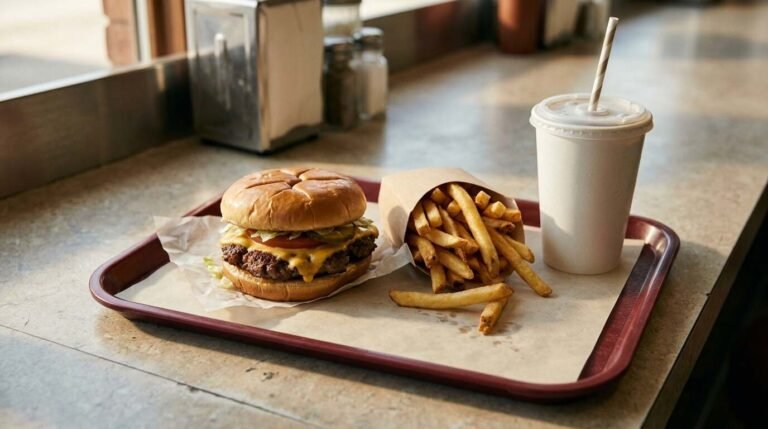
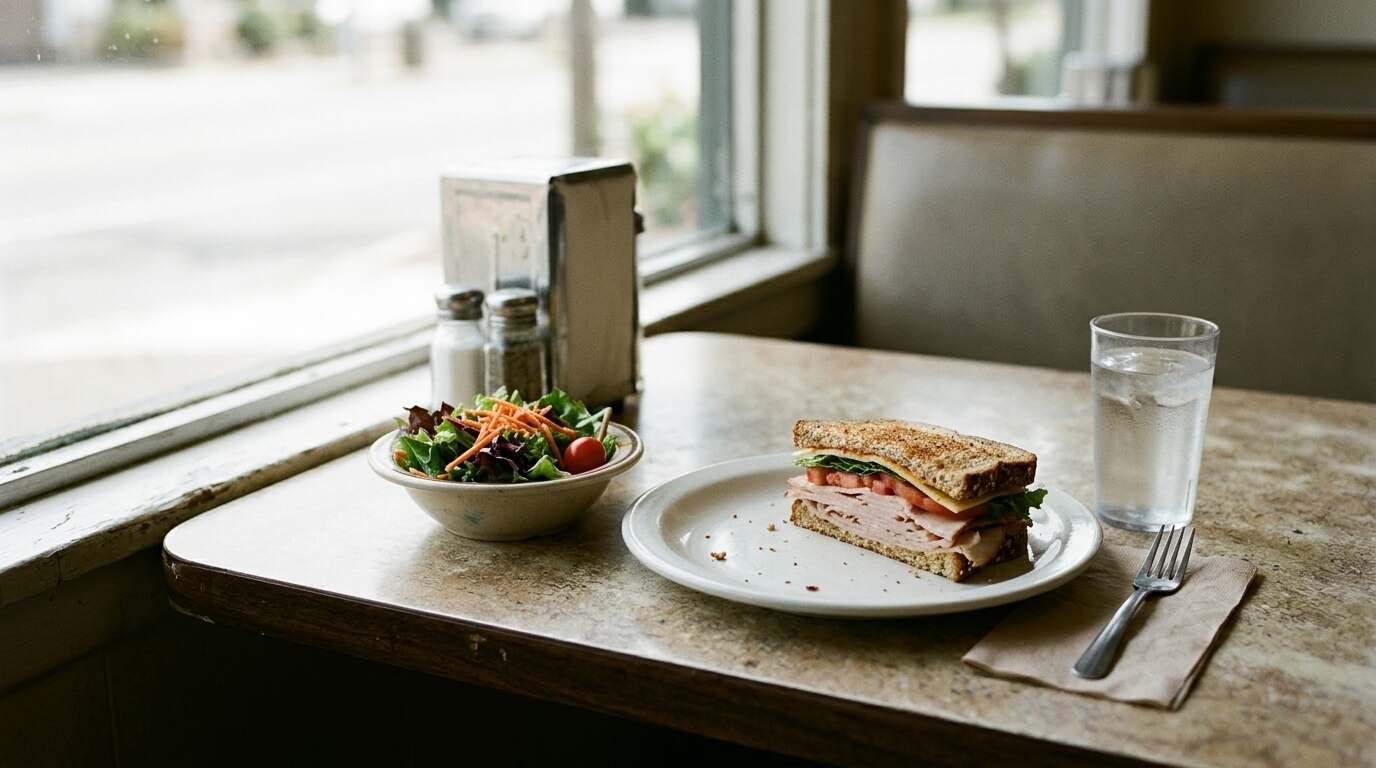
The ordering habits are where a diner owner or a regular at the counter should pay attention. About 70% of the users surveyed said they eat smaller portions more often, and nearly half said they would dine out more if restaurants offered smaller portion options. Interest was shifting toward fruit, vegetables, salads and bowls. Demand was down for desserts, pizza, burgers, alcohol and pasta.
That list reads like a diner menu, and it is worth being clear about what the data does and does not say. It does not say diners are doomed; the same survey found some of the best-off customers spending more. It does say that the classic oversized platter is a harder sell to a slice of customers who want to order less food, not different food.
Why prices make this bigger
The reason this is a story now, rather than a niche trend, is price and access. CBS noted that a 2025 administration agreement with Eli Lilly and Novo Nordisk brought monthly costs for Ozempic and Wegovy down to roughly $150 to $350, from about $1,000, and that a Medicare bridge program offers eligible beneficiaries the drugs for $50 a month. Cheaper access means more people in the dining room are likely to be users, so the habits above reach more tables each year. The shift is gradual, and neither survey can say how fast it will spread in any one town.
What it could mean at a North Shore counter
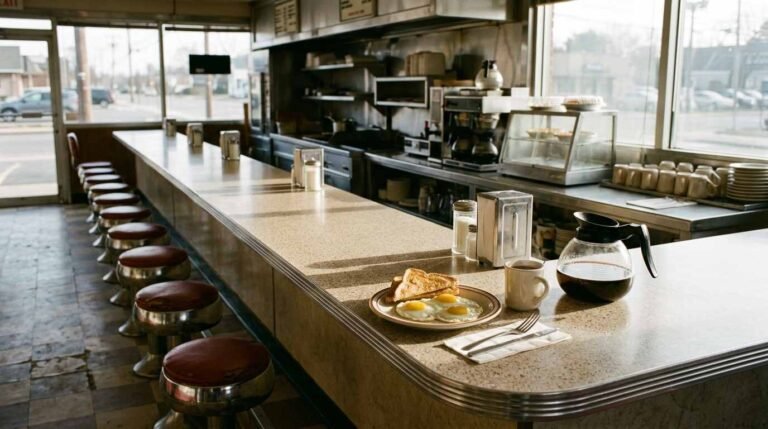
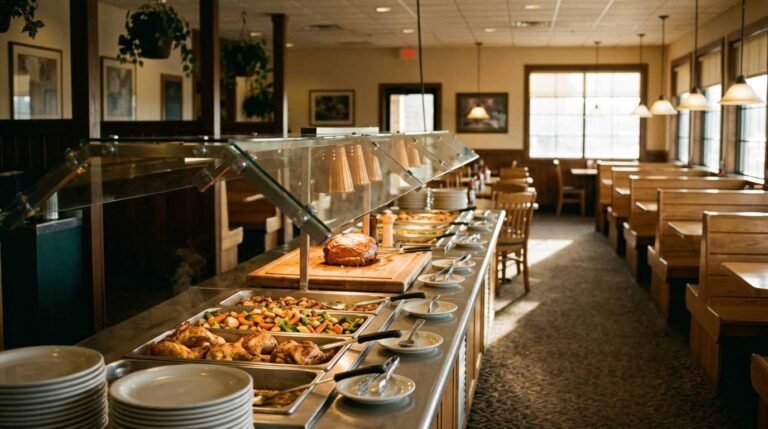
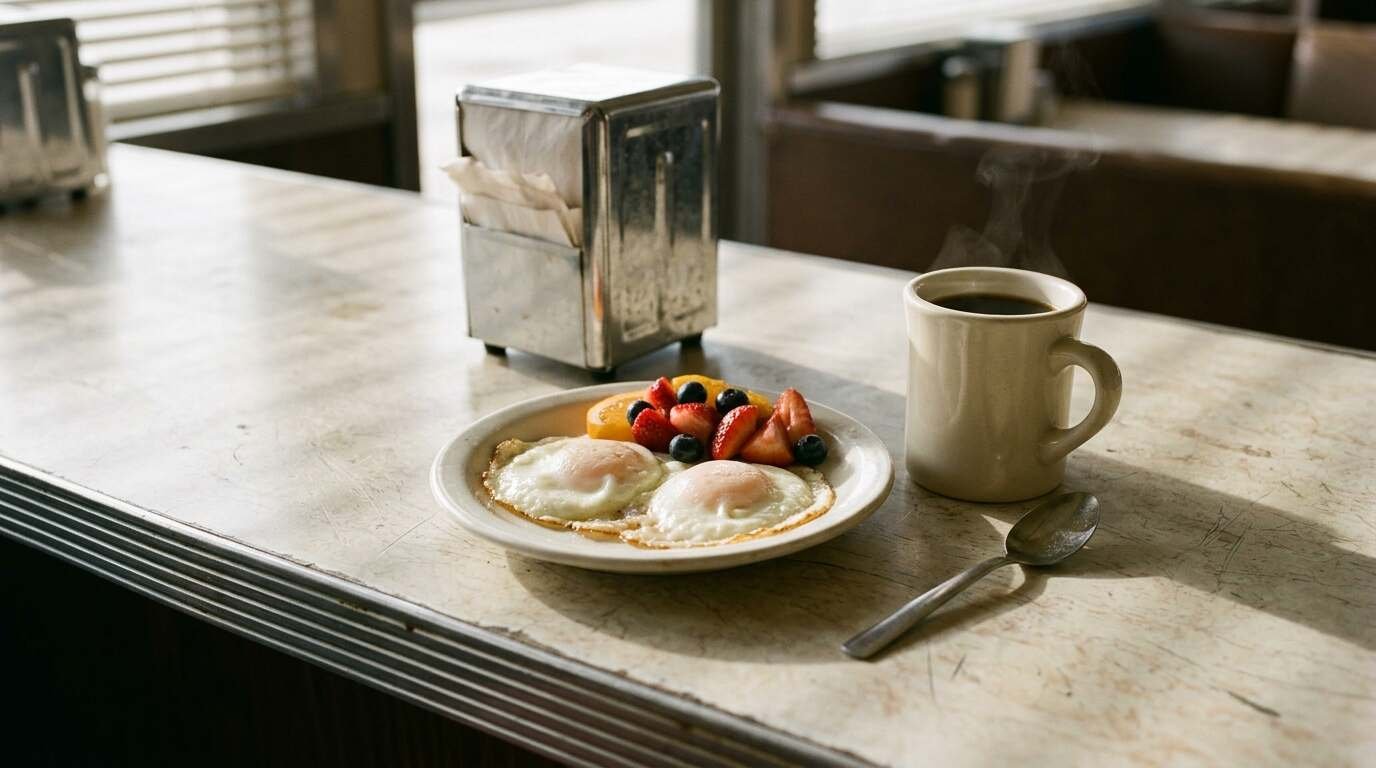
Nothing in these studies is specific to Long Island, so what follows is our reading of them, not a finding. Diners already do several things that fit the new demand. Egg plates, half sandwiches, soup-and-salad combinations and breakfast served all day are built around ordering by appetite. A half-portion or “small plate” line on a printed menu costs a kitchen little to add, and the William Blair numbers suggest it could bring in customers who would otherwise skip the visit.
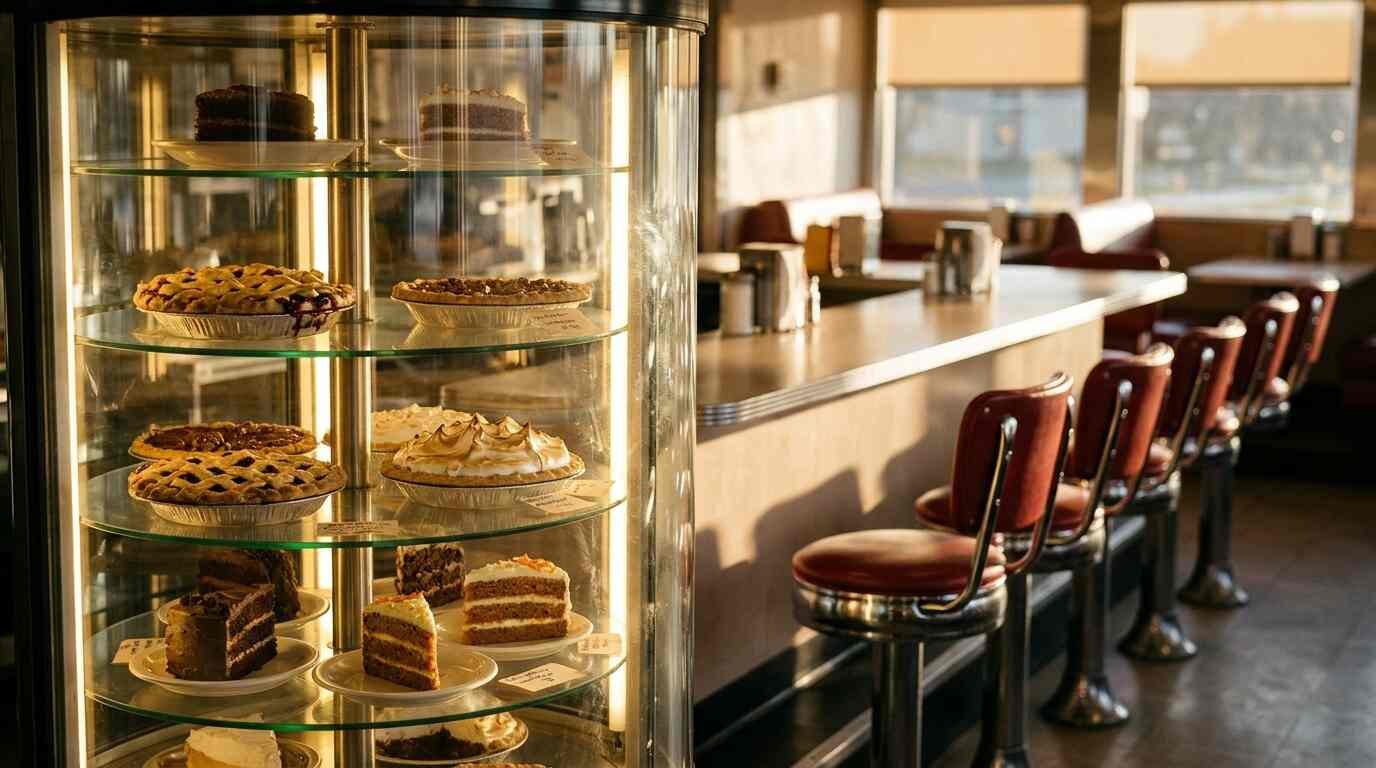
The dessert case is the interesting tension. Pie and cake are a diner’s signature, and the survey points to softer demand among users. A smaller slice, a shareable plate, or a pie sold whole for later at home are ways an owner might keep the case full without waste. Whether that pays off depends on each kitchen’s numbers.
Practical takeaways for diners
- Ask what comes in a half portion or a small plate; many kitchens will do it even when it is not printed on the menu.
- Share a dessert or take a slice home instead of skipping it.
- If you are ordering for a group, mix full plates and small ones rather than assuming everyone wants the same size.
- Breakfast plates, soups and sandwich halves are the parts of a diner menu that already scale down easily.
None of this is medical or dietary advice, and anyone with questions about these medications or their eating should talk to their own doctor. This is a story about how a large group of customers is changing what it orders, and how a neighborhood restaurant can respond.
What to watch next
Both surveys describe habits during a period of rapid change, and the more recent figures are early. A fuller picture will come from restaurant sales data over the next few quarters. In the meantime, the closest local test is the simplest one: notice whether the people at the next stool are leaving something on the plate, or asking for a smaller one.
Sources
- CBS News (MoneyWatch), Megan Cerullo, story on GLP-1 drugs and consumer spending habits, updated October 22, 2026, reporting the EY-Parthenon survey: cbsnews.com
- William Blair, “GLP-1s and Restaurants: A Behavioral Shift, Not a Demand Collapse,” published August 31, 2026, summarizing an April 14, 2026 report by Sharon Zackfia: williamblair.com
- EY-Parthenon, earlier snack-category study by Don Johnson (February 2025), for background: ey.com