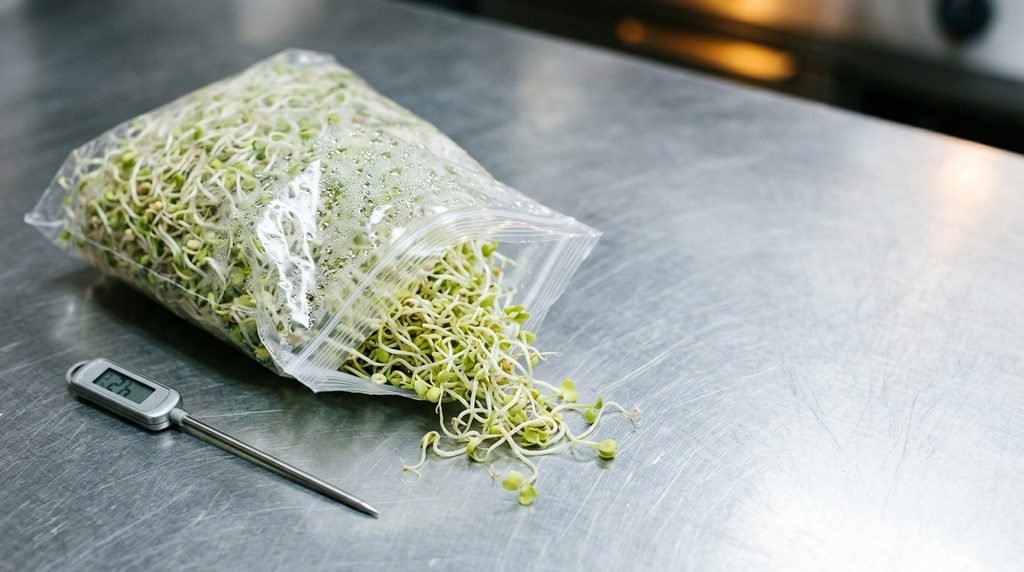
A bag of broccoli sprouts weighs four ounces. Packed six to a case, 215 cases of them left a small Idaho grower in late summer, and by the time the recall notice went out on September 10, 2026, people in several states had already been sickened by a strain of Salmonella.
The details of this outbreak are specific to one company. The pattern is not. Sprouts have a long record of causing outbreaks, and the biggest one on record, in Germany in 2011, ended up redirecting blame onto the wrong vegetable for weeks. Reading the two side by side shows what repeats and what changes.
A Four-Ounce Bag, Recalled
Evergreen Fresh Sprouts, LLC, of Moyie Springs, Idaho, recalled broccoli sprouts sold in clear plastic 4-ounce zip-lock bags with the UPC 8 38796 00105 1. The affected use-by dates were September 7, 9, 11, 14, and 16. According to the company’s notice, the sprouts went to three distributors in Washington between August 24 and September 2, and may have been sold on to retail stores in Idaho, Montana, and Washington.
The company stopped production and distribution on September 4 and said it was conducting a root cause investigation. Its instruction to consumers was blunt: “immediately discard product.”
What the Investigators Found
The FDA’s outbreak page, last updated September 24, 2026, counts 32 illnesses and 3 hospitalizations, with no deaths. Symptoms began between July 7 and September 3. Cases were reported in Idaho, Minnesota, Montana, Oregon, Utah, and Washington.
Of 27 patients interviewed, 26 (96 percent) said they had eaten sprouts or microgreens, and 22 named broccoli sprouts specifically. Whole genome sequencing matched product samples to the outbreak strain, Salmonella Bovismorbificans. Illness, the FDA notes, “usually occurs within 12 to 72 hours after eating food that is contaminated with Salmonella,” and brings diarrhea, fever, and abdominal cramps.
The counts are not uniform across sources. The recall notice cited 22 cases as of September 9, and Food Safety News reported 55 patients in four states, a figure that does not match the FDA’s later tally and is not explained in the pages reviewed here. Outbreak numbers move as cases are confirmed, so anyone relying on a figure should check the FDA page directly.
Food Safety News also reports that this is the third outbreak since 2011 connected to the same company, citing a 2011 Salmonella Enteritidis outbreak that sickened 25 people and a 2014 E. coli O121 outbreak that sickened 19.
Why a Sprout Is Such a Good Incubator
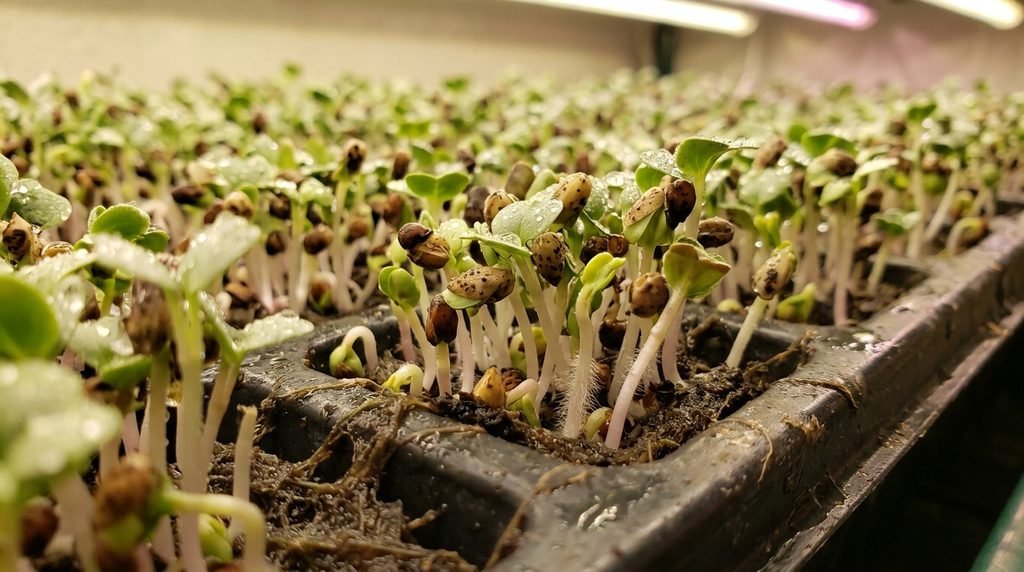
A sprout is a seed in a hurry, and the conditions that hurry it along are the ones bacteria enjoy. The University of Connecticut’s food safety program describes the environment this way: “The temperature is warm, the environment is humid, and full of the vitamins and minerals that help sprouts to grow up big and strong.”
Contamination can start before germination. “The bacteria can be on the surface of the seed/plant, or even be drawn into the plant itself from contaminated irrigation water,” UConn explains. A few bacterial cells on a seed become a large population over several warm, damp days, and unlike a head of lettuce, a sprout is eaten whole and usually raw.
UConn also offers a count: “Since 1990, raw or slightly cooked sprouts have caused an estimated 2,308 illnesses in the United States through 38 known outbreaks.” That figure is a historical estimate from an older reference and predates this year’s outbreak.
Germany, 2011: The Biggest Case and the Wrong Suspect
Between May 1 and July 21, 2011, an outbreak of E. coli O104:H4 in Germany produced about 3,950 confirmed cases, roughly 800 of them severe hemolytic uremic syndrome, and 53 deaths, according to Wikipedia’s summary of the official reports. Cases spread across all 16 German states and reached the United States and more than a dozen European countries. Agencies have counted deaths differently depending on who is included, so the toll varies by source.
The cause was organic fenugreek seed, imported from Egypt in 2009 and 2010, that had been sprouted at a farm in Bienenbüttel, Lower Saxony. German officials confirmed on June 10 that sprouts were the source.
That conclusion came late. On May 26 and 27, authorities had pointed to cucumbers from Spain. Spanish samples tested negative. Spain’s exporters reportedly lost about $200 million a week, and the European Commission later criticized Germany for “premature conclusions” drawn without scientific proof. The detail is useful for anyone following a breaking outbreak story: the first suspect named in public is not always the right one.
The outbreak also broke a pattern. Foodborne illness is often thought of as a danger to the very young and very old, but 88 percent of the severe cases in this outbreak were in adults over 17, with a median age of 42.
Two Outbreaks Side by Side
| Idaho and the West, 2026 | Germany, 2011 | |
|---|---|---|
| Product | Broccoli sprouts, 4-oz bags | Fenugreek sprouts |
| Pathogen | Salmonella Bovismorbificans | E. coli O104:H4 |
| Cases | 32 per the FDA’s September 24 update | About 3,950 confirmed |
| Deaths | None reported | 53 (varies by agency) |
| How the source was found | Patient interviews, then sequencing matched product samples | Weeks of investigation, an early wrong suspect, then sprouts confirmed |
| Recall action | 215 cases recalled, production halted September 4 | Sprouts identified as the source June 10 |
The scale could hardly differ more. The mechanism did not: a warm, wet growing process, a product eaten raw, and a source that took time to pin down.
What Lowers the Risk
UConn’s guidance is the most practical of the sources reviewed, and it is straightforward.
- Cook sprouts thoroughly. “Cooking kills the harmful bacteria.”
- Buy refrigerated sprouts only, choose crisp ones with the buds attached, and keep them at 40°F or below once home.
- Children, the elderly, pregnant women, and people with weakened immune systems “should avoid eating raw sprouts of any kind.”
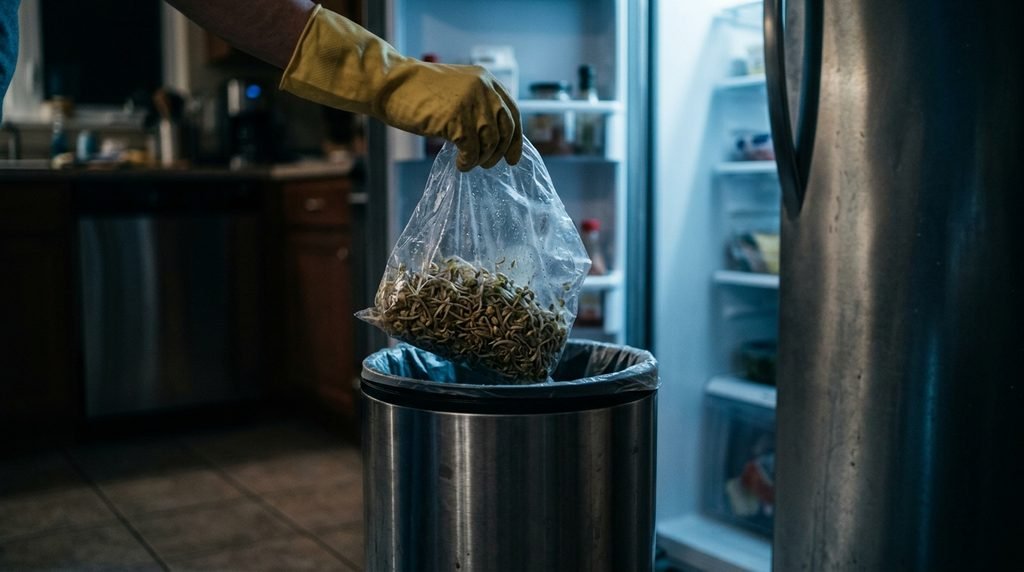
- Check any recalled product against the notice. For this outbreak, that means the Evergreen Fresh Sprouts bags with the UPC and use-by dates listed above, and discarding them.
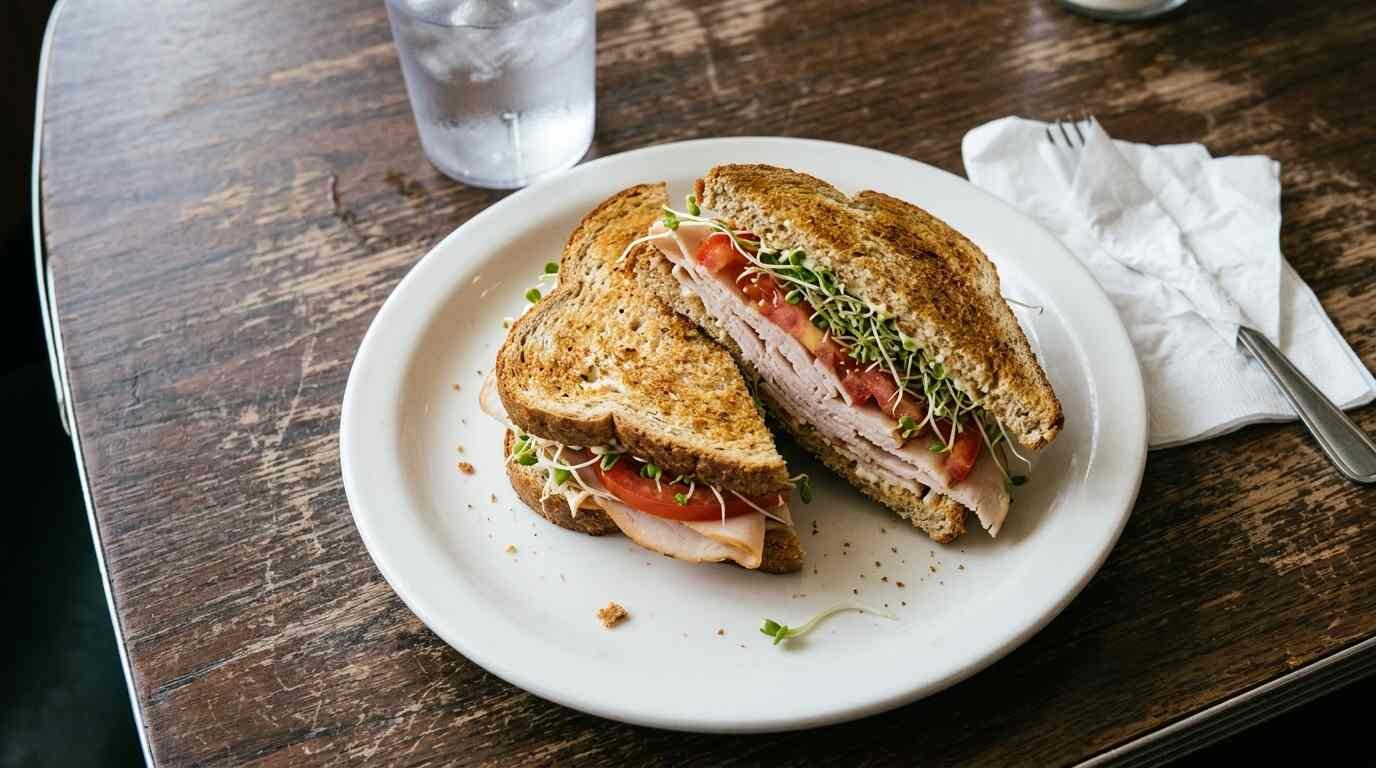
Sprouts have long sat on diner sandwiches and salad bars, which is why this kind of notice matters to anyone who eats out. For readers interested in how heat and food safety interact at the stove, the diner fried egg temperature piece and the tanghulu burn story cover related ground.
This article summarizes public health reporting and is general information, not medical advice. Anyone with symptoms should contact a healthcare provider and mention possible sprout exposure.
Sources
– Idaho Company Recalls Sprouts Linked to Salmonella Outbreak, Food Safety News, September 2026
– Seed and Bean Sprouts, University of Connecticut Department of Nutritional Sciences, Food Safety