Time the gap between a media moment and a menu change, and you learn something about where a drink actually came from. Some drinks arrive at the bar as a name that customers cannot define. Others arrive as a technique that gets named later. Those two paths produce very different trends with very different lifespans, and once you can tell them apart, a cocktail list stops looking like a list of drinks and starts looking like a record of where power sits in the industry.
The cleanest available case study runs from a single afternoon in October 2022.
Six Words, One Camera
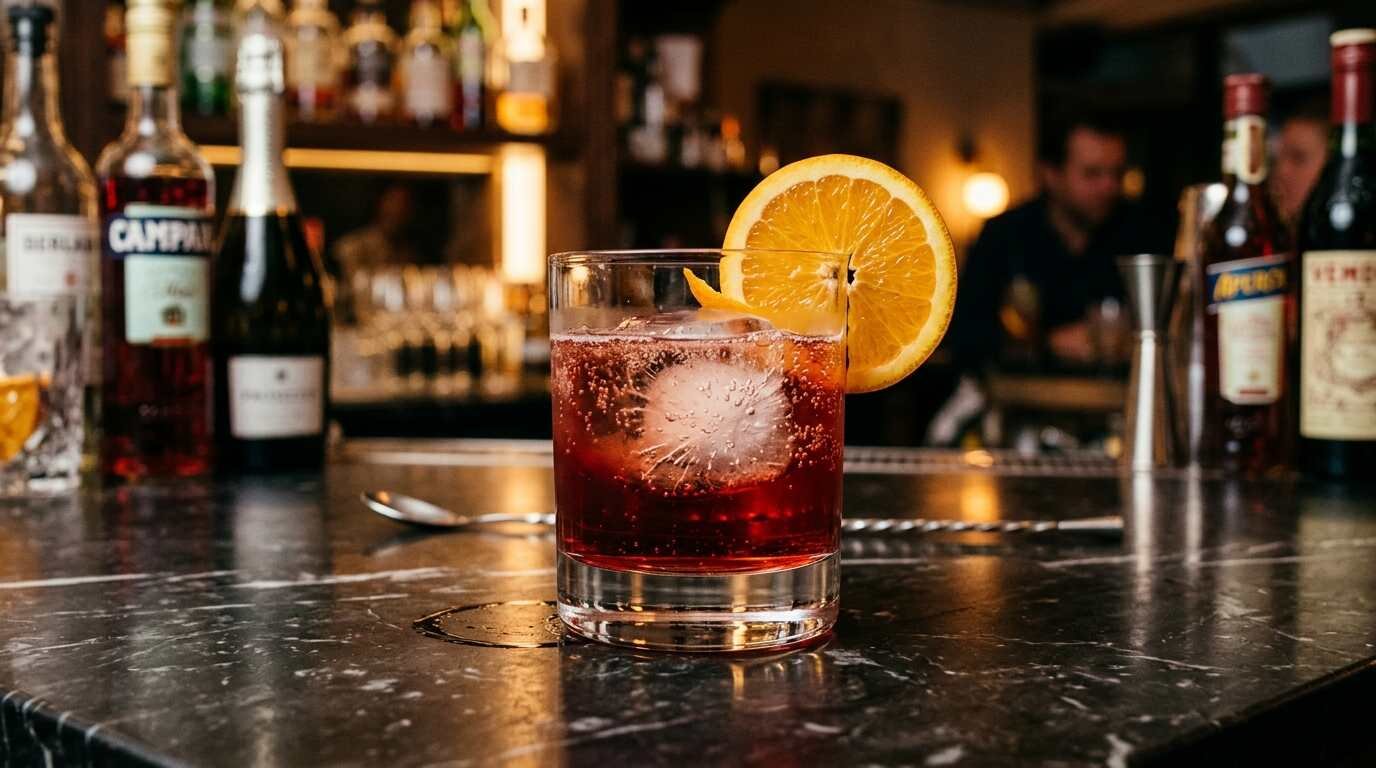
HBO Max posted a promotional clip on October 1, 2022, in which Olivia Cooke asked her House of the Dragon co-star Emma D’Arcy what they wanted to drink. D’Arcy answered: a negroni, sbagliato, with prosecco in it. Cooke’s reaction did the rest.
The numbers moved immediately. Within weeks the clip had passed 25 million views and 1.9 million likes on TikTok, and roughly 40,000 other videos had been made using the audio. What matters more than the volume is the routing. The San Francisco Chronicle traced the sequence while it was still unfolding: the sound bite detonated first inside the queer community, spread from there into TikTok’s bartender circles, and only then reached bars in physical reality. That is a three-stage relay, and the professional stage sits in the middle rather than at the origin.
Bartenders were not the source of this trend. They were the conversion layer.
What Campari Could See in the Data
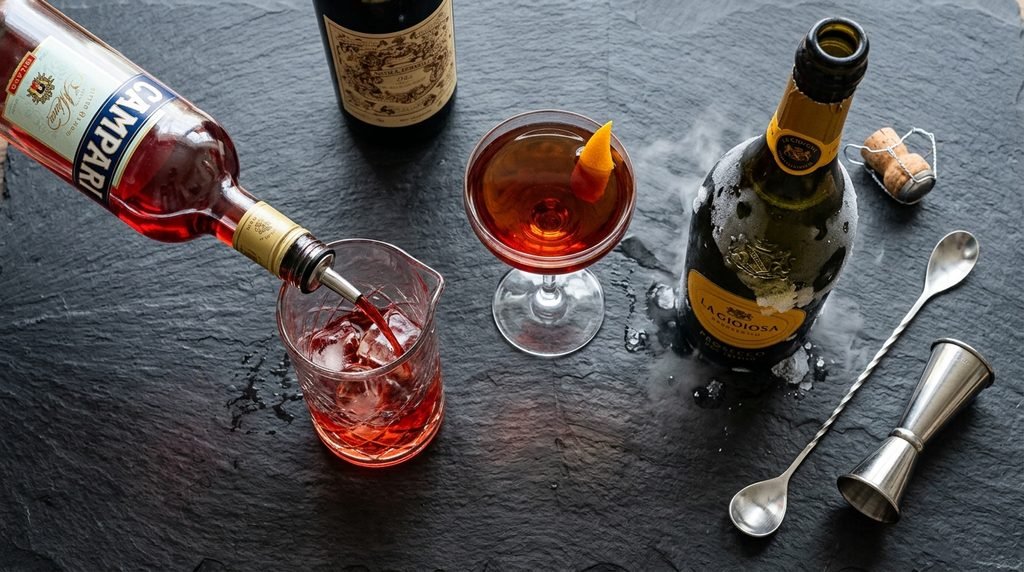
Campari America has been unusually candid about the effect. Its head of marketing, Andrea Sengara, told The Spirits Business that in 2022 the Negroni Sbagliato was the top trending cocktail in US Google search, up 5,640% against 2021, explicitly attributing the surge to the D’Arcy and Cooke clip. There was collateral lift as well: the classic Negroni landed as the fourth-most trending drink that year, up 90%.
Sengara also described searches and sales spiking off the charts in a way the company could correlate directly to the video. That is a rare admission — a multinational conceding that its most effective piece of marketing in a given year cost it nothing and was produced by someone else’s press tour.
The Drink Was Already Fifty Years Old
None of this involved a new product. The Negroni Sbagliato was invented at Bar Basso in Milan, where Mirko Stocchetto reached for prosecco instead of gin while building a Negroni. Sbagliato means mistaken. The drink was celebrating roughly its fiftieth anniversary when the clip landed.
Nothing about the liquid changed in October 2022. What changed was the circulation of its name. Virality does not create products — it distributes vocabulary, and vocabulary is what determines whether a customer can order something. A drink that nobody can pronounce has a ceiling no amount of quality will lift. Give ten million people a phonetic template delivered in a memorable cadence, and you have removed the only real barrier.
This is why the aftermath looked the way it did. For months afterward, the labor fell on bartenders, who spent a season explaining an Italian word to tables that had learned it from a phone.
The Aperol Comparison Is the Real Story
Punch made the sharper structural point in 2022, comparing the spritz boom to the 1990s martini craze: the ‘tini wave arose largely organically, while the spritz trend was manufactured — engineered by Aperol’s owner. Campari America pushed orange booths and buses into New York City and the Hamptons, then into other markets that looked promising, selling drinks and branded merchandise. Nielsen recorded Aperol sales climbing 48% between the summers of 2017 and 2018. Even in Italy, the aggressive campaign is what carried the drink from regional aperitivo to national default.
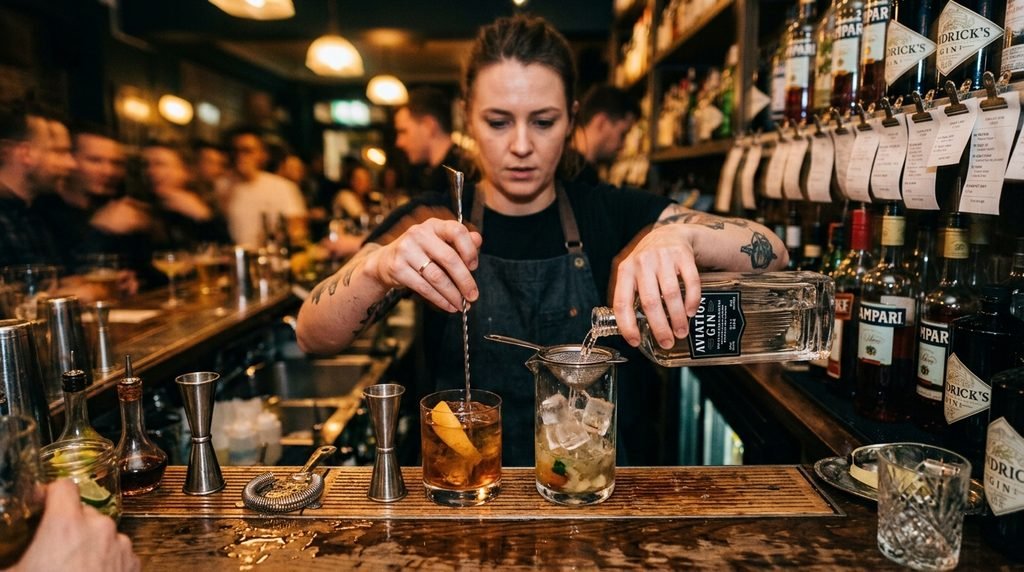
The tactical detail is the one worth holding onto. Campari marketed directly to bars and bartenders, targeting brunch spots and high-visibility venues where an easily made, instantly photographable drink would spread on its own.
Compare that to the milk in your latte. Oatly’s American entry strategy was to sample specialty coffee bars relentlessly before ever pursuing grocery, on the logic that winning the professional tier would carry the product downstream — a sequence I traced in why oat milk peaked and what fills the cup next. Two different categories, two different decades, one identical play: capture the people who set defaults, and let the public arrive later believing it chose.
Two Doors Onto a Menu
That gives us a usable test. Ask how a trend entered the room.
Name-first trends arrive as vocabulary. A word circulates faster than the knowledge required to understand it, customers request it, and bars respond to demand they did not generate. The signature is explanation cost — staff spending real labor telling people what they just ordered. These trends spike hard, saturate within twelve to eighteen months, and decay, because the word eventually stops being novel and there is nothing underneath it that a bar built itself. The Sbagliato is the textbook case. Aperol is the manufactured cousin, differing only in that a marketing department paid for the circulation rather than receiving it free.
Technique-first trends arrive as method. Someone works out a process, other bartenders adopt it because it solves a problem or opens a flavor, and a name attaches afterward — often clumsily. The signature here is inverted: no explanation cost at the table, because the customer never asks for it by name. They order a drink that happens to contain the technique. These integrate quietly into the working vocabulary and rarely peak, because they were never the point of the sale.
Whisky shortages follow a third pattern altogether, driven by supply rather than either media or craft, which I looked at in why Japanese whisky ran out.
Running the Test on 2026
Apply it to what is currently on menus and the list sorts itself.
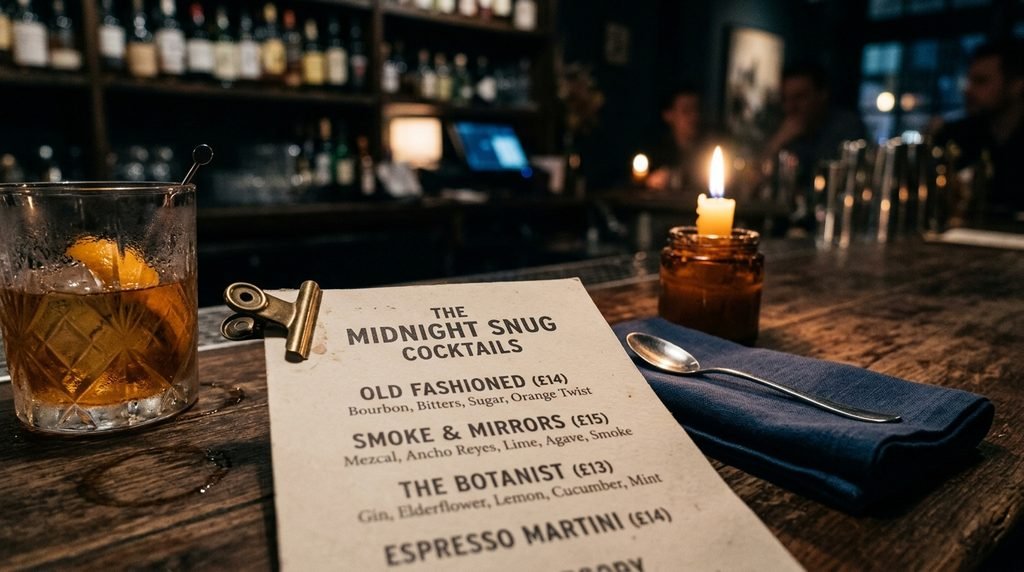
VinePair’s annual bartender survey points toward fermented citrus for 2026 — yuzu kosho, salted and fermented tangerine peel — with bartenders describing a move toward umami structure, salinity and layered acidity rather than straightforward sweetness. Japanese ingredients broadly are entering working vocabularies: shochu, sake, shiso, sesame. Nobody is walking into a bar and asking for fermented tangerine peel. This is technique-first, and it will still be around in 2030 without ever having a moment.
The giant shareable Martini, by contrast, and the small wave of bars operating without ice, are format-first and media-shaped — Punch put both to a panel of industry professionals at the end of 2025 asking which trends should disappear. Large-format punch bowls sit in the same category: VinePair identified them explicitly as bars looking for ways to register on social media, with venues like Bar Kabawa serving shareable formats and Wild Cherry running an $86 scorpion bowl. These are photographable by design. That is not a criticism, but it does tell you the clock is running.
Then there are trends driven by neither media nor craft. The low- and no-alcohol shift is consumer-driven and structural. The current interest in small-producer green herbal liqueurs is supply-driven, responding to constrained Chartreuse availability rather than to any campaign.
Why the Distinction Is Worth Carrying
A name-first trend has a fatigue clock built into it from the first day, because the thing spreading is a word and words wear out. A technique-first trend has no clock, because it disappears into practice.
The practical value of sorting them is knowing what to ignore. If a drink appeared on twelve menus in the same quarter and every bartender is explaining the same term to every table, that trend has already spent most of its life. If a drink arrived with no fanfare and the interesting part is a fermentation step nobody mentions on the menu, it is early and it will last.
Food follows exactly the same rules, which is why format wars on social platforms burn so brightly and so briefly — I made a version of this argument about the smash-versus-stacked burger fight on food TikTok.
The bartenders in October 2022 were not tastemakers. They were the people holding the bottle when ten million phones pointed at it. Knowing which position the professionals occupied in any given trend is most of what you need to predict how long it has left.
This is for informational purposes only — consult a licensed attorney or financial advisor for your specific situation.
You Might Also Like
- The Crookie Craze Hits the North Fork: How to Bake the Viral Croissant-Cookie Hybrid at Home
- Buffalo Trace Makes Some of the Most Sought-After Bourbon in America. It Also Never Has Any.
- A New Restaurant Opens on the North Shore Every Month. Most Won’t See 2027.
Sources
- Negroni Sbagliato: 5,640% search rise boosts Campari — The Spirits Business
- The negroni sbagliato is having a moment thanks to ‘House of the Dragon’ star Emma D’Arcy — San Francisco Chronicle
- Like “‘Tini” of the ’90s, Everything Is Now Being Called a Spritz — PUNCH
- What Cocktail, Wine and Spirit Trends Should Disappear in 2026? — PUNCH
- 8 Drinks Trends to Look Out For in 2026 — VinePair
- What Flavors Will Dominate the Cocktail Scene in 2026? 30 Bartenders Weigh In — VinePair
- The Rise of the Spritz: a Timeline — VinePair
- Emma D’Arcy Reacts to Negroni Sbagliato Clip Going Viral — TODAY
- Oatly Madness: The Alternative Oat Milk Spreading Around NYC Cafes — Sprudge