Twenty-five years is a long time to stand behind a line. Long enough to know what works and what doesn’t. Long enough to stop doing things because it’s easier and start doing them because it’s right. The kitchen at Heritage Diner in Mount Sinai is the result of that accumulated stubbornness — a place shaped less by trends than by convictions about what good food actually is.
This post is the hub for everything we cook. The sourdough program. The sourcing approach. The signature dishes. The recipes we’ve published so you can make them at home. All of it starts here.
The Philosophy Behind Every Plate
Real food takes time. That’s not a romantic notion — it’s a fact of chemistry, biology, and craft that the industrial food system has spent decades trying to disprove. It hasn’t managed it. Slow fermentation produces better bread. Properly raised animals produce better meat. Fresh, local produce produces better flavor. These are not opinions. They are outcomes.
At Heritage, the philosophy is simple: use what’s real, cook it properly, and don’t shortcut the process. That means sourcing ingredients with intention, building dishes from scratch, and treating cooking as a discipline rather than a transaction.
It also means understanding that a diner is not a lesser category of restaurant. A diner at its best is one of the most honest food institutions in American culture — a place that feeds people well, consistently, without pretension. The Heritage kitchen takes that mission seriously. Every omelet, every sourdough loaf, every bowl of French onion soup gets made with the same care as anything coming out of a kitchen with a Michelin star. The category doesn’t lower the standard.
The Sourdough Program — Where It All Starts
The most important thing in our kitchen isn’t a piece of equipment. It’s a living organism.
Meet “The Mother” — our sourdough starter — is the foundation of the Heritage bread program. She’s been fed, maintained, and coaxed through temperature swings and long fermentations to produce a starter with genuine depth and character. Not all sourdough starters are equal, and not all of them are worth baking with. Ours is.
Understanding why bread tastes the way it does begins with the grain. We’ve written at length about what goes into a proper sourdough loaf — the flour varieties, protein content, hydration, and fermentation time that separate an honest loaf from something that just looks the part. The crust should crack. The crumb should have structure. The flavor should have complexity that comes from real fermentation, not added vinegar or shortcuts.
If you want to start your own program at home, we’ve written a full seven-day guide to setting up a sourdough starter from zero. The process is simpler than most people think and more rewarding than almost anything else you can do in a home kitchen.
The sourdough doesn’t stop at bread. It runs through the menu. The cold-fermented sourdough loaf is baked in-house. The tuna melt gets griddled on it. The lobster salad sourdough end roll is built around it. The French onion soup bread bowl uses it as the vessel. Rosalie’s Buffalo Chicken Bread Bowl — one of the most requested items on the menu — is nothing without the bread underneath it. The sourdough is not a feature. It’s infrastructure.
Sourcing on the North Shore
Long Island has a food economy that most people don’t fully appreciate. The North Fork produces world-class wine. The South Fork grows some of the best produce on the East Coast. Peconic Bay yields scallops that have no equal in any market. Local farms within an hour of Mount Sinai raise good animals and grow clean vegetables. The question isn’t whether to source locally — it’s whether you’re willing to do the work to access it.
We are.
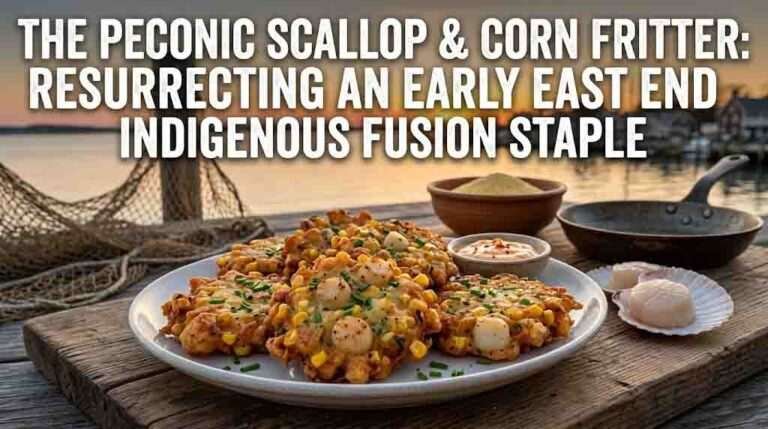
That means relationships with suppliers and farms, not just purchase orders. It means adjusting menus when something’s out of season rather than reaching for the inferior out-of-state substitute. It means using grass-fed and organic dairy because the nutritional profile is genuinely different and the flavor reflects it. And it means putting Peconic Bay scallops on the menu when they’re available, because they are the crown jewel of Long Island seafood and shouldn’t be treated as an afterthought.
The sourcing philosophy connects directly to the health-forward approach that has been part of Heritage since the beginning. Food that comes from proper sources, properly raised and handled, is food that feeds people the way food is supposed to. That’s not a marketing position. It’s what we believe.
The Signature Dishes
Every kitchen has its anchors — the dishes that define what the place is about. Ours are built around the same principle that runs through everything: honest ingredients, correct technique, nothing hidden.
Breakfast is where Heritage made its name. The Heritage Lumberjack Special is not subtle — pancakes, French toast, eggs, bacon, and sausage on one plate. The fluffy buttermilk pancakes are made from scratch with a batter that gets rested before hitting the griddle. The signature brioche French toast is made from scratch, from bread we bake in-house. The Velvet Underground Pancake Stack is its own event. How to build the perfect diner breakfast platter — the architecture of it, the logic of what goes where — is something we’ve thought about more than most people would expect.
Sandwiches and classics are where technique shows. The Heritage Double Cheddar Burger Deluxe is a full pound of meat. The Classic French Dip uses a homemade au jus built from real bones. The Salisbury Steak smothered in mushroom and onion gravy is the kind of American comfort food that became comfort food because it’s genuinely good. The BLT Club, the Triple-Decker Turkey Club, the Monte Cristo — these are dishes that earn their place on the menu by being executed correctly every single time.
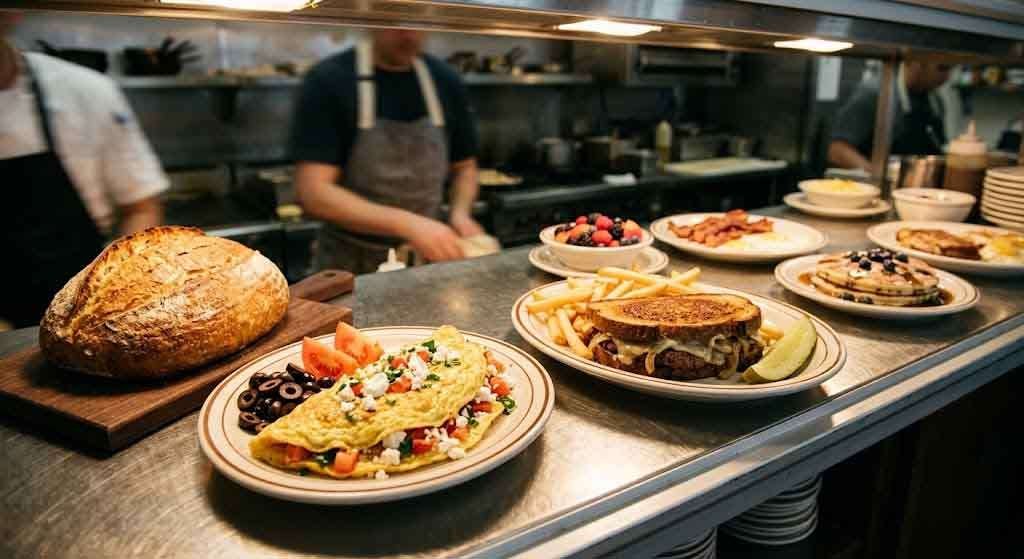
Greek roots run through the kitchen quietly but persistently. The Greek Omelet with feta, tomatoes, and caramelized onions is a morning staple. The Authentic Greek Gyro Platter is spit-roasted the right way. The Greek Salad with Grilled Chicken and the Aegean Salmon Greek Salad reflect a Mediterranean sensibility — olive oil, lemon, vegetables that don’t need to be transformed to be good. The Hummus, the Greek Pocketless Pita, the Spanakopita — all made from scratch. These dishes aren’t accents on the menu. They’re part of the DNA.
The statement cuts are where Heritage departs from what most people expect from a diner. Cutting Tomahawks from the rib primal in-house is a commitment. A three-pound Tomahawk ribeye — honored for a loyal customer of 15 years — is not a menu item. It’s a statement that a diner can serve serious food. The Ribeye Steak Pizza brings that same philosophy to something unexpected. These are dishes that don’t exist because someone said they should. They exist because the ingredients demanded them.
Desserts and finishing dishes close the loop. New York Cheesecake — made right, without shortcuts. Bourbon Bread Pudding built on house sourdough. Red Velvet Berry Cake with fresh whipped cream. The New York Egg Cream — chocolate, seltzer, milk, done right, full stop.
How We Think About Technique
Technique is not the performance of cooking. It’s the invisible structure that makes the food what it is.
Pan-searing is a good example. We’ve written about what pan-seared fish teaches you about cooking with intention — the crust is not decoration, it’s the point, and getting it right requires understanding heat, moisture, and timing in sequence. The same thinking applies to every technique in the kitchen. The patty melt gets its identity from the griddle contact and the caramelized onions — we’ve written the full breakdown. The New York Pastrami Swiss requires curing, smoking, and steaming to an internal 205°F — a process that takes days, not hours. The Long Island Duck Breast achieves its crispy skin through a cold-pan method most home cooks haven’t tried.
Understanding technique is what separates food that’s merely cooked from food that’s made. We write about it because we believe that knowledge belongs in the kitchen — yours as much as ours.
The Full Recipe Archive
Everything published in the Heritage recipe archive is below, organized by category. These are not simplified versions of what we make — they are the actual processes, scaled for a home kitchen.
Breakfast & Eggs
- Fluffy Heritage Buttermilk Pancakes with Crispy Butter Edges
- Old-Fashioned French Toast with White Bread and Cinnamon Custard
- Western Omelet with Ham, Peppers, and Onions
- Classic Greek Omelet with Feta, Tomatoes, and Caramelized Onions
- Crispy Griddled Corned Beef Hash with Fried Eggs and Potatoes
- The Heritage Lumberjack Special
- Heritage Granola
Sandwiches, Burgers & Diner Classics
- Classic French Dip Sandwich with Rich Homemade Au Jus
- Heritage Diner Salisbury Steak Smothered in Mushroom and Onion Gravy
- The BLT Club: Triple-Decker Bacon, Lettuce, and Tomato Sandwich
- The Heritage Triple-Decker Club
- The Classic Patty Melt: Griddled Rye Bread, Swiss Cheese, and Caramelized Onions
- The Classic Diner Patty Melt: How to Get That Perfect Cheese Pull
- Heritage Monte Cristo: Battered, Pan-Fried Ham and Cheese
- The Classic Monte Cristo: Deep-Frying the Ultimate Sweet and Savory Turkey Sandwich
- Heritage Diner Griddled Tuna Melt with Melted Swiss on Sourdough
- Open-Faced Hot Roast Beef Smothered in Brown Gravy on White Bread
- Open-Faced Hot Turkey on White Bread Smothered in Yellow Gravy
- Hamburger Deluxe
- Crispy Waffle Chicken Caesar Salad Sandwich
Meat & Seafood
- The New York Pastrami Swiss: Curing, Smoking, and Steaming Brisket to an Internal 205°F
- Slow-Simmered Hungarian Beef Goulash Served Over Egg Noodles
- Pan-Roasted Long Island Duck Breast: Achieving the Perfect Crispy Skin and Cherry Gastrique
- Peconic Bay Scallops: How to Pan-Sear the Crown Jewel of Long Island Seafood
- The Crust Is the Point: What Pan-Seared Fish Teaches You About Cooking With Intention
Greek & Mediterranean
- The Authentic Greek Gyro Platter: Slicing Spit-Roasted Lamb and Crafting Tzatziki from Scratch
- Greek Chicken Gyro
- The Ultimate Spanakopita: A Premium Guide to Greek Spinach Pie
- Greek Salad with Grilled Chicken
- Greek Salad Recipe: A Taste of the Mediterranean
- The Aegean Salmon Greek Salad
- Tzatziki Sauce: Cool Meets Kick
- Hummus
- Greek Pocketless Pita Bread
- Pita Bread
Salads & Soups
- The Heritage Chef Salad with Turkey, Ham, Roast Beef, and Swiss Cheese Pinwheels
- Caesar Salad Recipe: Bold, Briny, and Built to Impress
- Herbed Lemon Chicken Salad
- Walnut Raisin Chicken Salad
- French Onion Soup
- French Onion Soup (Diner Style)
- The Yankee Bean Soup
Bread & Sourdough
- Cold-Fermented Sourdough Bread
- How to Set Up a Sourdough Starter from Zero: A Seven-Day Beginner’s Guide
- Greek Pocketless Pita Bread
- Pita Bread
- Buttery Soft Pretzels with a Golden Baked Crust and Sea Salt
Desserts & Sweets
- New York Style Cheesecake: Water Baths, Emulsions, and Preventing Surface Cracks
- New York Cheesecake
- Red Velvet Berry Cake with Fresh Whipped Cream and Mixed Berry Compote
- The Classic New York Egg Cream: Chocolate, Seltzer, and Milk Done Right
- The Crookie Craze Hits the North Fork: How to Bake the Viral Croissant-Cookie Hybrid at Home
- Lobster Mac & Cheese: Comfort with a Coastal Twist
Sides & Extras
The Menu Items — Spotlight Posts
Beyond the recipes, we publish deep-dives on specific Heritage menu items — the story behind the dish, how it’s made, and why it’s on the menu. These are not recipes to take home. They’re a window into how the kitchen thinks.
- How to Build the Perfect Diner Breakfast Platter — Step-by-Step Assembly Guide
- The Heritage Double Cheddar Burger Deluxe: A Full Pound of Flavor
- Signature Brioche French Toast: From Scratch, With Soul
- The Black Raspberry French Toast Sandwich
- A Sweet Start: Black Raspberry Buttercreme Stuffed Brioche French Toast
- Espresso Brioche French Toast
- A Breakfast Cake with a Kick: Espresso ButterCrème Stuffed Brioche
- Velvet Underground Pancake Stack: A Breakfast Anthem
- Funfetti ButterCrème Pancake Stack
- Mint Chocolate ButterCrème Waffle
- The Fig Peanut Butter Hamburger: A Heritage Original
- Signature Ribeye Steak Pizza — Where Steakhouse Meets Pizzeria
- Buffalo Turkey Flatbread Pizza
- French Onion Soup in a Sourdough Bread Bowl
- Rosalie’s Buffalo Chicken Bread Bowl
- Our Lobster Salad Sourdough End Roll
- Aioli Chicken & Fresh Mozzarella Sourdough Sandwich + Bourbon Pairing
- Turkey Avocado Sourdough Sandwich
- The Ultimate Diner Grilled Cheese: Sourdough, Bacon, & Tomato
- Steak-burger Soirée: Triple Takes on Ribeye-Chuck Perfection
- A Tomahawk 3lb Ribeye Steak
- Cutting Tomahawks from the Rib Primal for the Heritage Restaurant
- Slicing Into a 3lb Sourdough Loaf: A Crumb Story
- Heritage Sourdough
- Heritage Whiskey Flight
- Bourbon Bread Pudding
- Chicken Cutlet Parm Penne
- A Perfect Bite: The Focaccia Fresh Mozzarella Sandwich
- Starter Spotlight: Waffle Fries with Fried Chicken & Cheese
- Why Our Wedge Salad Is More Than Just a Side
- Fresh, Local, Legendary: Salads at Heritage Diner in Mount Sinai
- Double the Cheese, Double the Flavor
- The New York Classic: Perfecting the Giant Black and White Cookie
- Pumpkin Pie Brioche French Toast
- Fall Feature: Carrot Cake Brioche French Toast
- Meat & Potatoes = Red-Blooded American
- What’s in Our 2 Bean Salad?
Why We Share the Recipes
Some people have asked why a restaurant would publish its recipes. The thinking is straightforward.
Making a dish at home is not the same as eating it in a diner. The equipment is different, the pace is different, the experience is different. When someone makes our buttermilk pancakes at home on a Sunday morning, they don’t stop coming to Heritage. Most of the time, they come more. Because now they understand what goes into it.
Sharing recipes is also honest about what we do. We are not hiding formulas. We are not creating artificial mystery around a dish. The food at Heritage is good because the ingredients are good and the technique is right — not because of a secret that nobody else can access. Publishing the process is a way of saying: this is what real food looks like, and here’s how it’s done.
That’s the kitchen philosophy in one paragraph. The rest of it is in the food.
Heritage Diner is located at 275 Route 25A, Mount Sinai, NY 11766. Visit us at heritagediner.com.