The Formica Conspiracy: How a Union Carbide Patent Changed Every Diner Counter on Long Island and Nobody Noticed
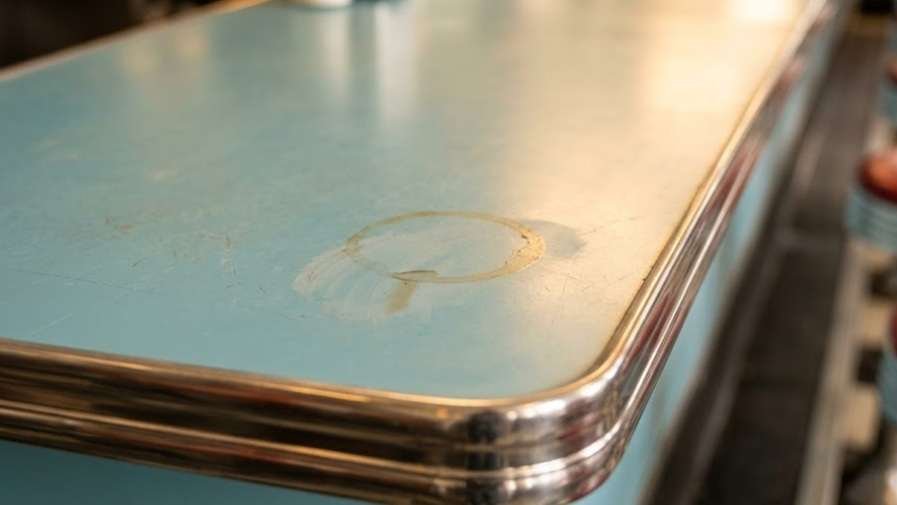
Formica was invented in 1913 to insulate electrical motors, not feed truck drivers. Here’s how it…

The Diner That Survived on Train Time: How the Rail Schedule at Ronkonkoma Station Built a Breakfast Economy That Chains Could Never Crack
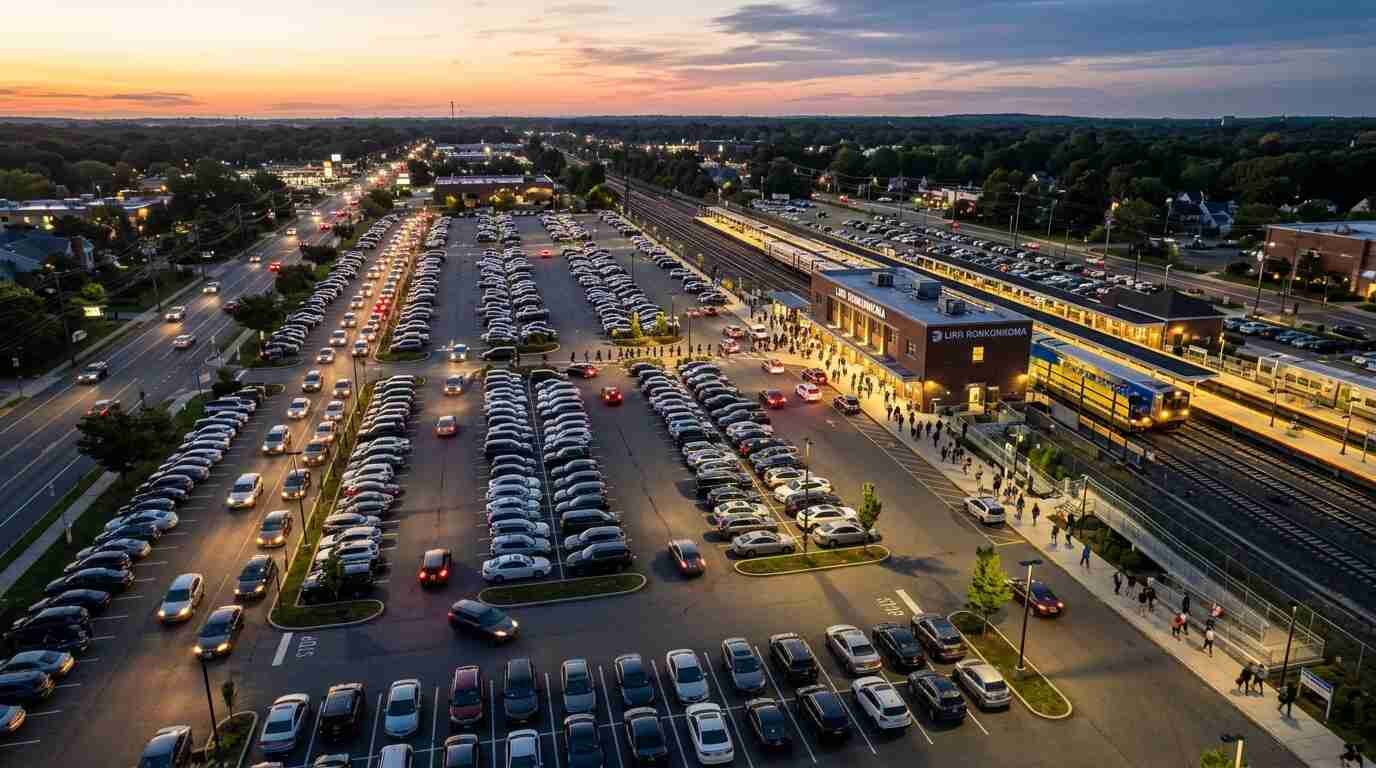
Ronkonkoma Station’s rail schedule shaped a breakfast economy built for commuters, not chains. Here’s why local…

Gravy Boats and No Boats: How the Long Island Railroad’s Dining Car Service Created a Captive Diner Economy in Nassau County Stations and Then Abandoned It
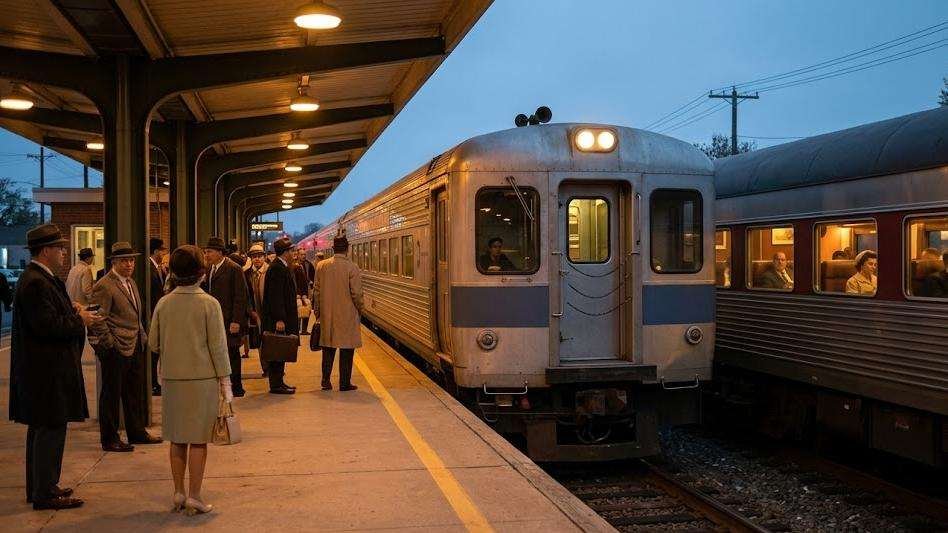
The Long Island Rail Road once ran real dining cars — white tablecloths, a kitchen at…
Why Smithtown Diners Outlived Every Chain That Tried to Replace Them: The Zoning Quirk That Accidentally Saved Diner Culture
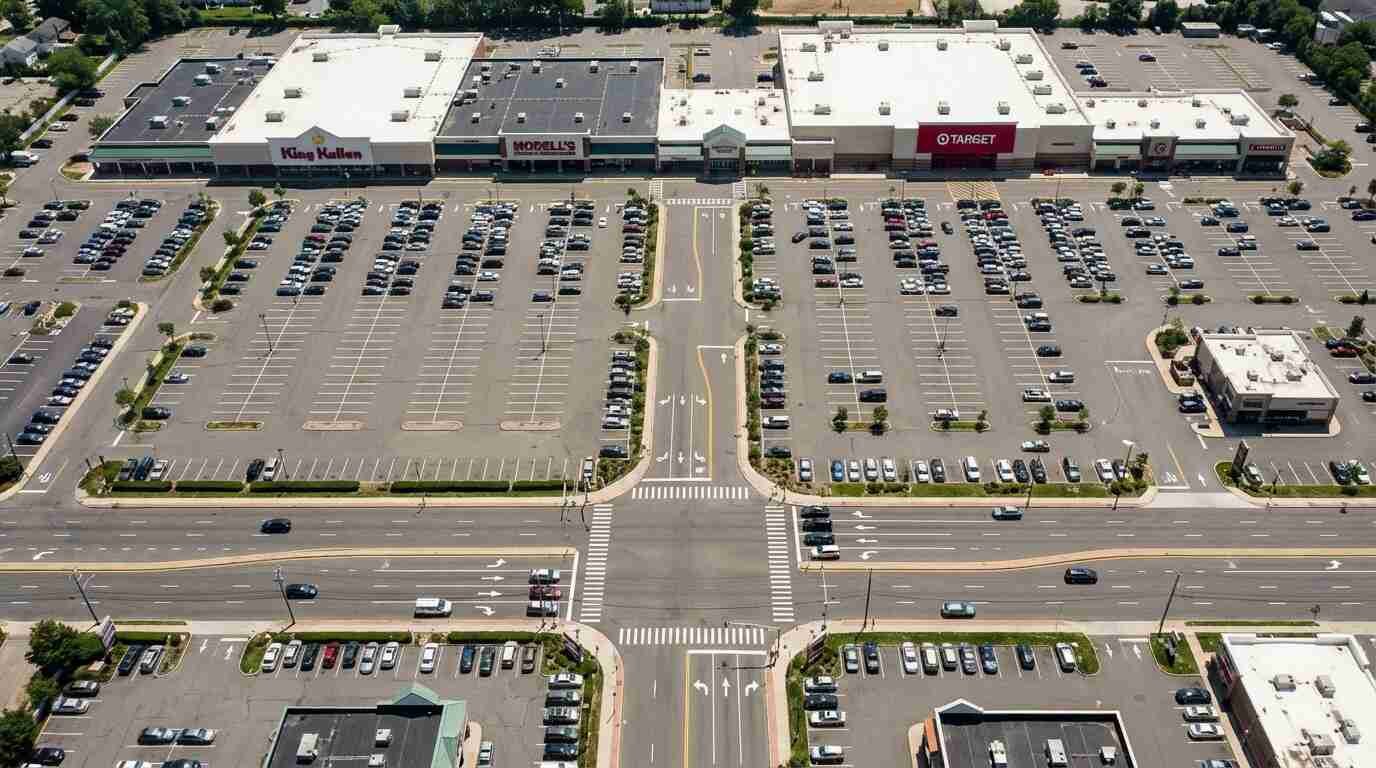
Three national chains failed in the same stretch of Jericho Turnpike in Smithtown within ten years.…
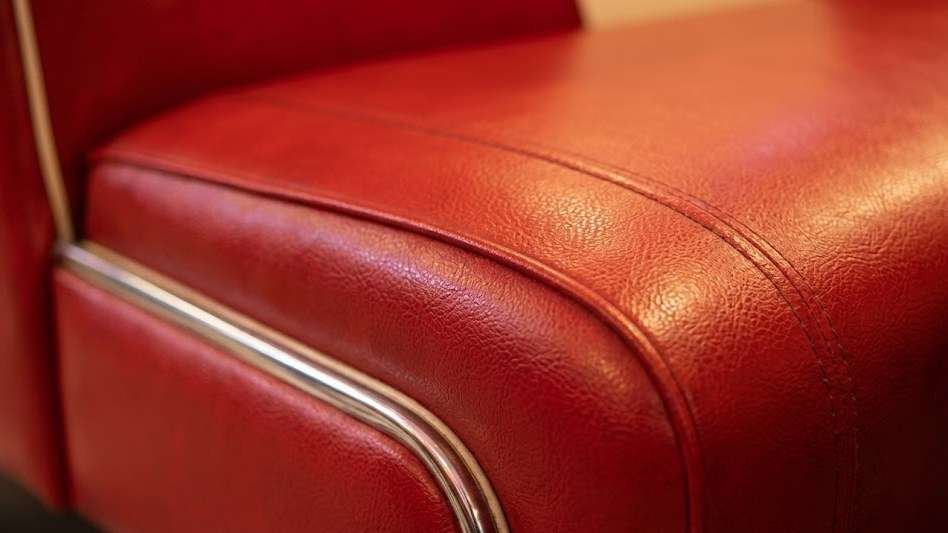
The Naugahyde Naugahide: How a Manufactured Hide from a Fictional Animal Became the Seating Material of Long Island’s Working-Class Diners and What That Says About Postwar American Fakery
The real history of Naugahyde vinyl — developed by U.S. Rubber in 1914, adopted in diner…

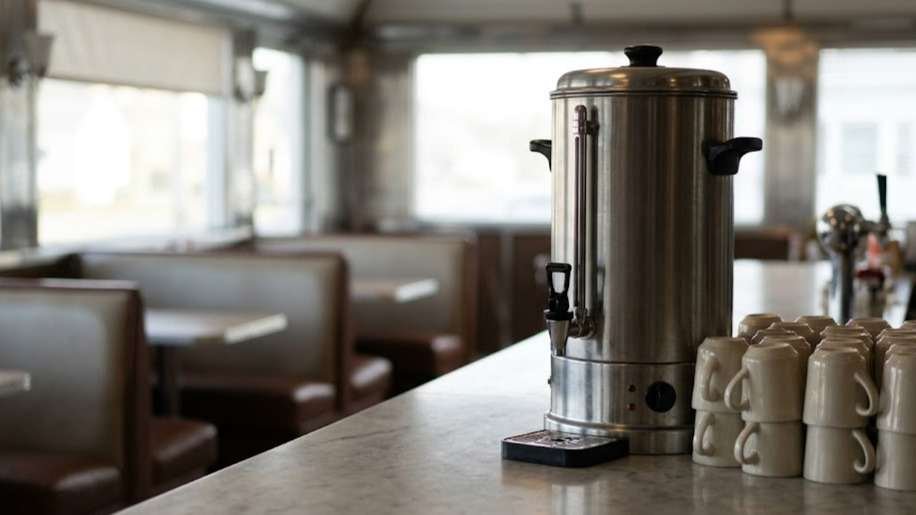
Bottomless and Burnt: The Percolator Legacy in Long Island Diners and the Specific Chemical Compounds That Make a Third Cup Taste Like Regret
The diner’s bottomless coffee is engineered around a machine that actively destroys the beverage. Here’s the…
 275 Route 25A, Mt Sinai, NY 11766
 (631) 642-3700

The Heritage Diner